
On the song “Café con Ron” from Bad Bunny’s latest and greatest album, DeBÍ TiRAR MáS FOToS (I Should Have Taken More Photos), the musical ensemble Los Pleneros de Cresta creates a sonic bomb of classic plena, a Puerto Rican folk-rhythm originated by the jíbaros on the island’s mountains. The track, mixed with an electronic production, lyrically illuminates one of the central tenets of the record — make the effort to meet the man where he’s at, even if it means breaking a sweat climbing up a sacred mountain deep in the heart of El Yunque.
The first leg of the massive world tour Bad Bunny is set to embark on in 2026 kicked off in his native Puerto Rico, during prime festival season. Bad Bunny performed a 31-date residency at San Juan’s Choliseo, the biggest stadium on the island. By the end, more than $200 million was added to the island’s economy, during hurricane season.
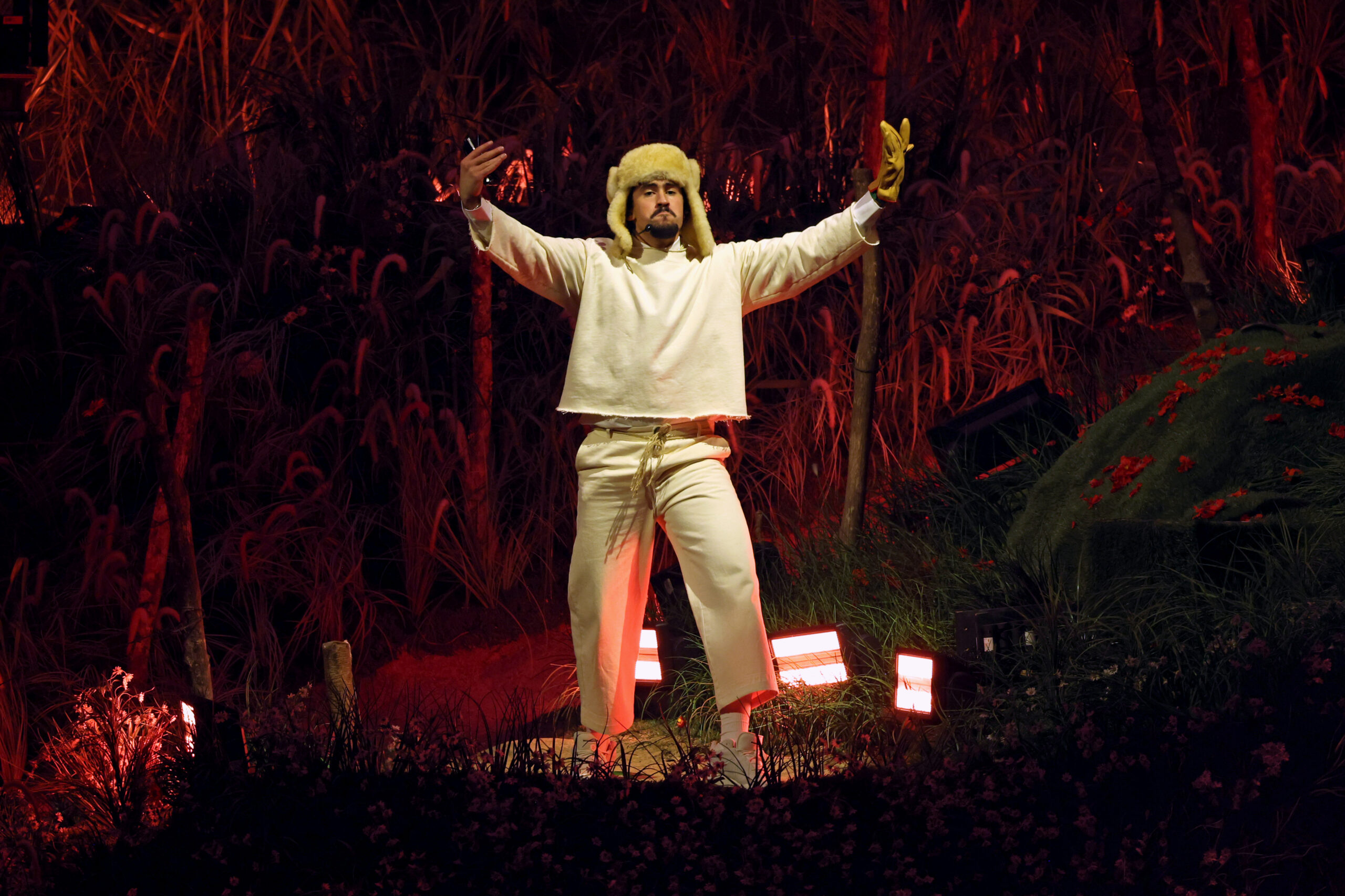
In his shows, he certainly used the space, sandwiching the stadium floor with two stages: one, a mountain and rainforest, teeming with chickens and backup dancers in traditional outfits (some wearing pava hats), and the second a traditional house, a casita. Bad Bunny ripped through his expansive discography, and featured guests from emerging Puerto Rican artists like Omar Courtz and Chuwi to OGs like Ivy Queen.
For his tour, the only mainland U.S. show he’s set to play is at the Super Bowl, his choice as the half-time performer upsetting the Republican far right, starting with the president, but subsequently schooling some ignorant people that, yes, Puerto Rico is a part of the U.S., and Puerto Ricans are American.
The logic behind bypassing the U.S. he at first coyly explained as the States being an “unnecessary” tour stop. But he later clarified in an interview for i-D magazine his understandable concerns about the menace of ICE presence at shows, mindful of his predominantly Latino fan base.
And though Spanish-speakers and Latinos may be his most ardent fans, it’s a mistake to pigeonhole Bad Bunny, an artist with four consecutive No. 1 albums in America, who doesn’t break a sweat breaking streaming records across language barriers. He addresses that issue in DTMF’s opening song, “NUEVAYoL” (which samples a classic track by El Gran Combo De Puerto Rico) — “¿Cómo Bad Bunny va a ser rey del pop, ey / Con reggaetón y dembow?” (“How is Bad Bunny going to be the king of pop, hey / With reggaeton and dembow?”)
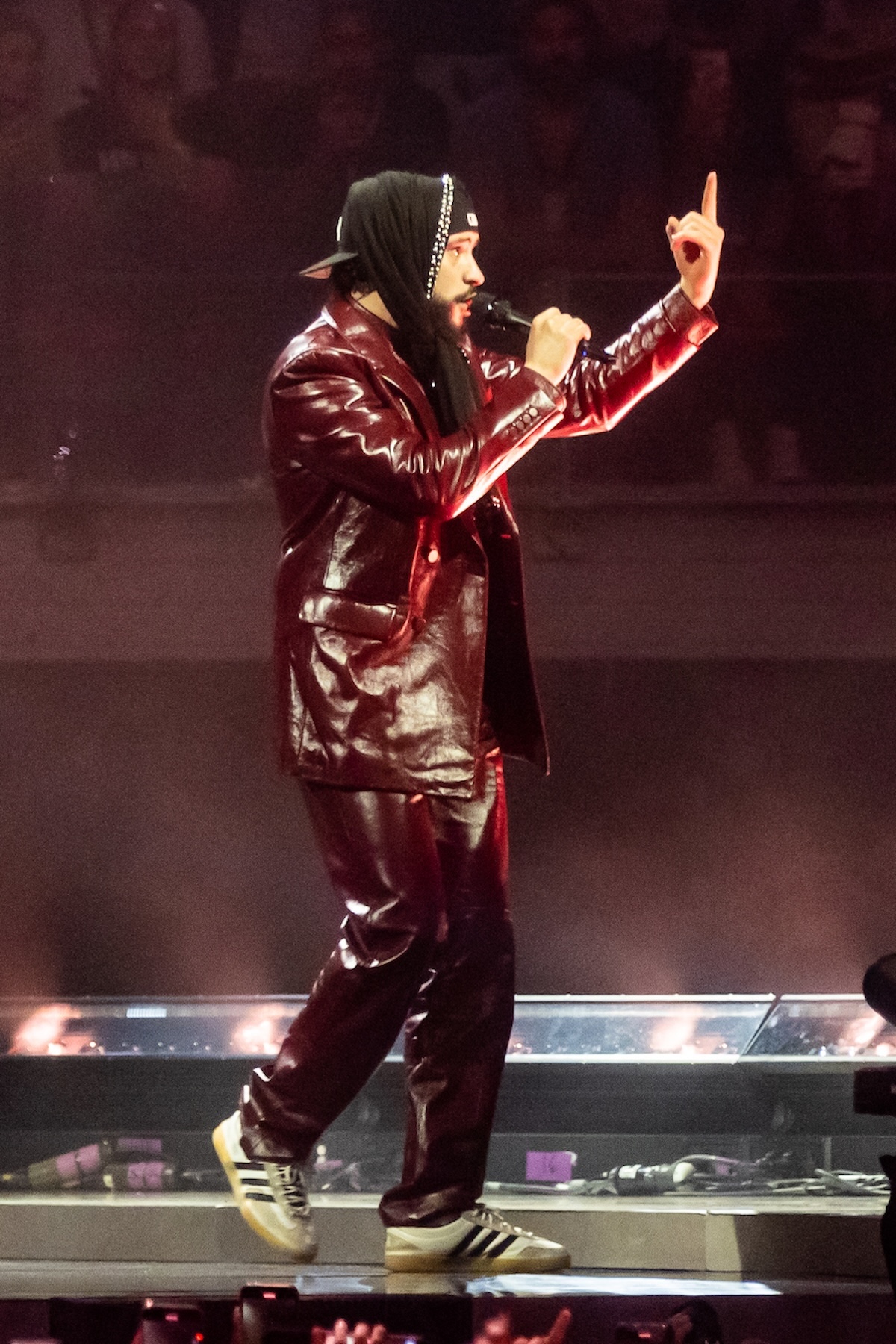
Reggaeton as a genre has been racking up streaming records that match, or overtake, traditional pop music. It’s warped the landscape entirely. And with the presence of Latinos in the U.S. growing (despite the efforts and to the horror of the current administration), those aren’t the only sounds el conejo malo is playing with on this record. He’s no stranger to experimentation, as past rock and trap-heavy efforts show.
DTMF sees Bad Bunny lean heavy into an exploration of Puerto Rican identity, from his visual aesthetic — his take on traditional jibaro garb topped with a straw pava hat — to the sound that moves between the island’s key exports: el perreo, la salsa, la bomba, and la plena. His mastery of these classic genres and the traditional attire, could have been corny if it wasn’t so authentic and done so well.
Bad Bunny’s always been one to lift others as he’s climbed, collaborating with a new generation of salseros and bomba musicians, as well as featuring Los Pleneros de Cresta, masters in the Afro-Puerto Rican genre.
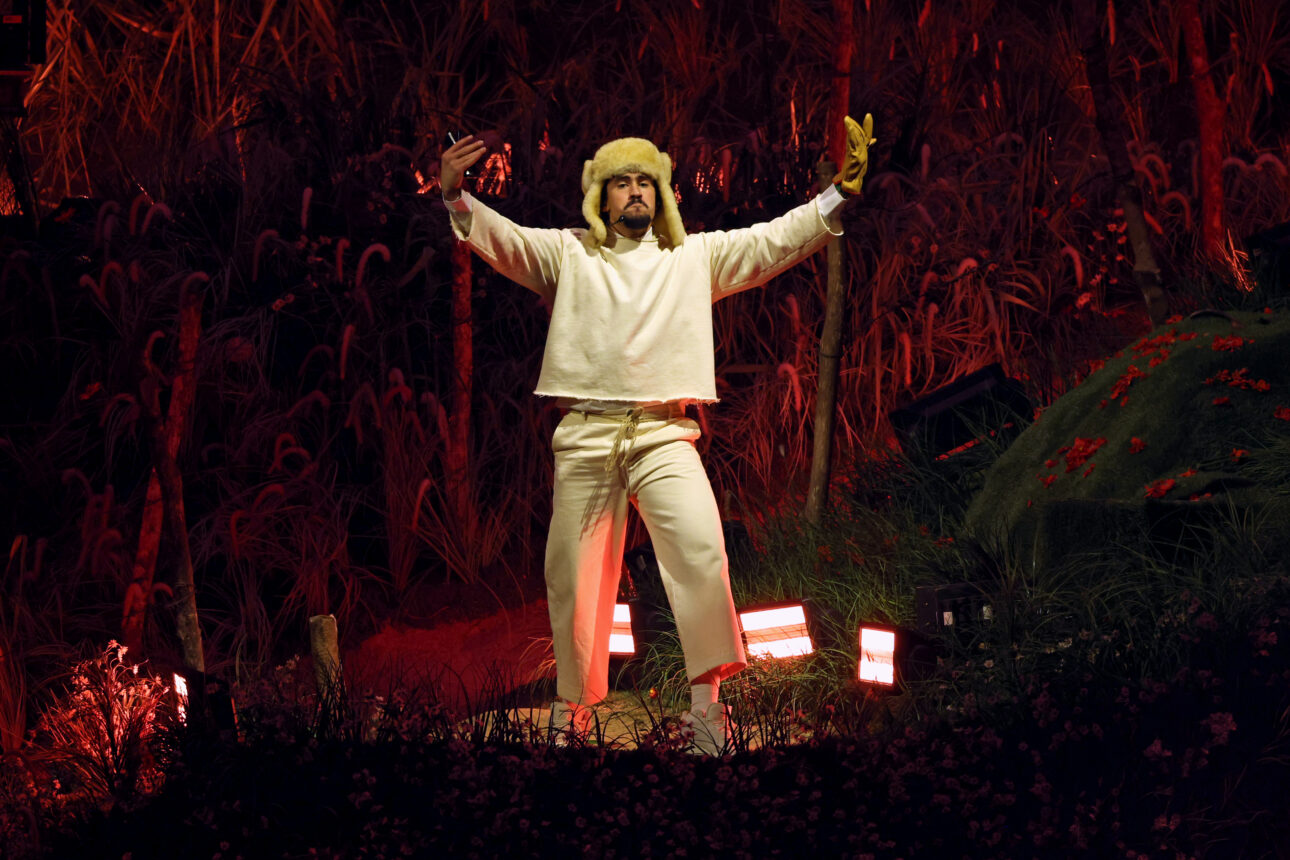
If the album extends a hand for us to enter his world, it’s also about remembrance as an act of resistance, what the Swiss art curator Hans Ulrich Obrist called “a protest against forgetting.” This manifests itself in anti-colonial warnings transmitted as somber history lessons (his roaring “LO QUE LE PASÓ A HAWAii”), to heartbroken reminiscing (“BAILE INoLVIDABLE”, a salsa-centric ode to love long gone), and deeply tender reminders to stay present (the title track, with a bomba-fueled closing chorus that would warm the hardest of hearts).
Eyebrows have been raised regarding the Puerto Rican nationalism inherent in the symbols and some of their ties to local parties. And there’s Bad Bunny’s use of the pava hat and the sounds of jíbaro and traditional Afro-Puertorican genres. But why would he not be proud? Reggaeton and salsa, genres with origins on that little island, have influenced the entire world, despite the island’s insecure status under the world’s greatest superpower.
Here is a map to the mountaintop. Even if you can’t (or refuse) to make the climb toward the coffee and rum-fueled bacchanalia, rest assured you’ll hear the drunken drums as laughter drowns out tears. With any luck you’ll feel it, preferably in your hips.