

Of course you’ve missed some great stuff since 1985! A lot of you weren’t even born then!
Not only has the advent of digital releases made more music available, but it has also made keeping up (whatever that means these days) increasingly impossible. So regard the following 40 recommendations as mini-subsurface maps and drill accordingly! We start at the beginning, way back in the primordial mists of the mid ’80s, as all good stories do…
The Knitters
Poor Little Critter in the Road (1985)
Take your pick: A) unplugged before unplugged was cool; B) Americana before Americana was cool (but not before it was corny sometimes); or C) a Blaster colliding head on with X on the front porch of a general store like the one in the Twilight Zone episode “Hocus-Pocus and Frisby” — or do I mean Petticoat Junction?
Arsenio Orteza
Died Pretty
Free Dirt (1986)
If Idiot-era Iggy Pop had somehow ousted pre-OD Jim Morrison from pre-borracho-Doors, he wouldn’t have been as powerful as Died Pretty at this moment. When Died Pretty’s mystic mongrel of a frontman, Ron Peno, slowly but thunderously unfurls lines like “I am so happy it scares me to death” (“Just Skin”), he’s spellbinding. Died Pretty: Accept no substitutes.
Matthew Thompson
Steve Forbert
Streets of This Town (1988)
This Geffen release was supposed to restart Forbert’s career after it had stalled at Columbia. It didn’t because 1988 was Peak Hair Metal and grunge was right around the corner. But with the E-Streeter Gary Tallent producing, the songs came in crisp and succinct, comprising a lean, hooky, heartland suite seasoned with lessons from the school of hard knocks.
AO
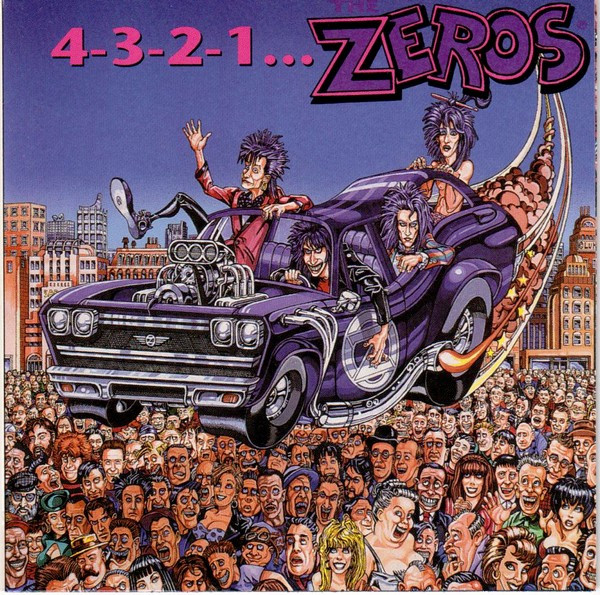
The Zeros
4-3-2-1 (1991)
Ramones and the Sweet collide head on in a Spenser’s gift shop during a purple-fright-wig sale. High point: “Sticky Sweet Girls” — the most relentlessly irresistible one-minute-and-59-second song in the history of recorded sound.
AO
Throw That Beat in the Garbagecan!
Not Particularly Silly (1991)
The most consistent longplayer from six quirky, borderline-twee Germans (four men, two women) who took their name from a B-52’s song, filtered power-gum (bubble-pop?) through proto-grunge sonics, and sang endearingly — and in English — about women from planet Orion, little red go karts, eating chocolate bars for breakfast, and wanting to be with you. They could be rainy-day melancholy too.
AO
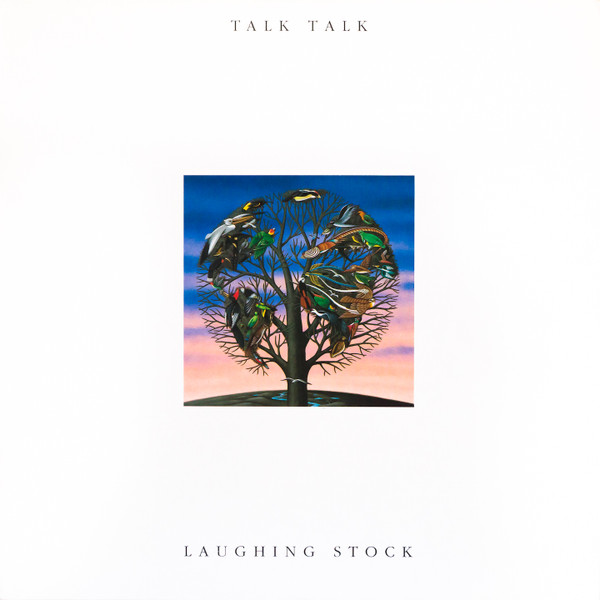
Talk Talk
Laughing Stock (1991)
The final, greatest post-rock masterpiece delivered by Talk Talk in their mysterious transition from matching-suit pop band to avant garde, mystic minimalists, the lesser-known but more distilled, more uncompromising follow-up to 1988’s glorious Spirit of Eden. Taste the sublime with the song “Taphead.”
MT
Khaled
Khaled (1992)
For two thirds of this disc, especially on “Didi” — a deservingly colossal smash in Asia and parts of Europe — Khaled comes on like a disco dervish. And his refusal to sing in English, instead of working against him, helps restore some of the mystery to libidinous music that often gets lost in the rush to be explicit.
AO
Tiny Tim with Brave Combo
Girl (1996)
Fourteen songs that represent Mr. Peculiar’s genius for never having met a song he didn’t like. The liner notes call Tim “a living treasury of romance and music,” and the tracklist supports the description. Beatles tunes (“Girl,” “Hey Jude“), pop standards (“New York, New York,” “Bye Bye Blackbird”), and flat-out corn (“Sly Cigarette,” “I Believe in Tomorrow”) follow one upon the other, linked by Tim’s vibrato-heavy baritone and a Grammy-nominated sextet known for mastering everything from Oriental folk to polka.
AO
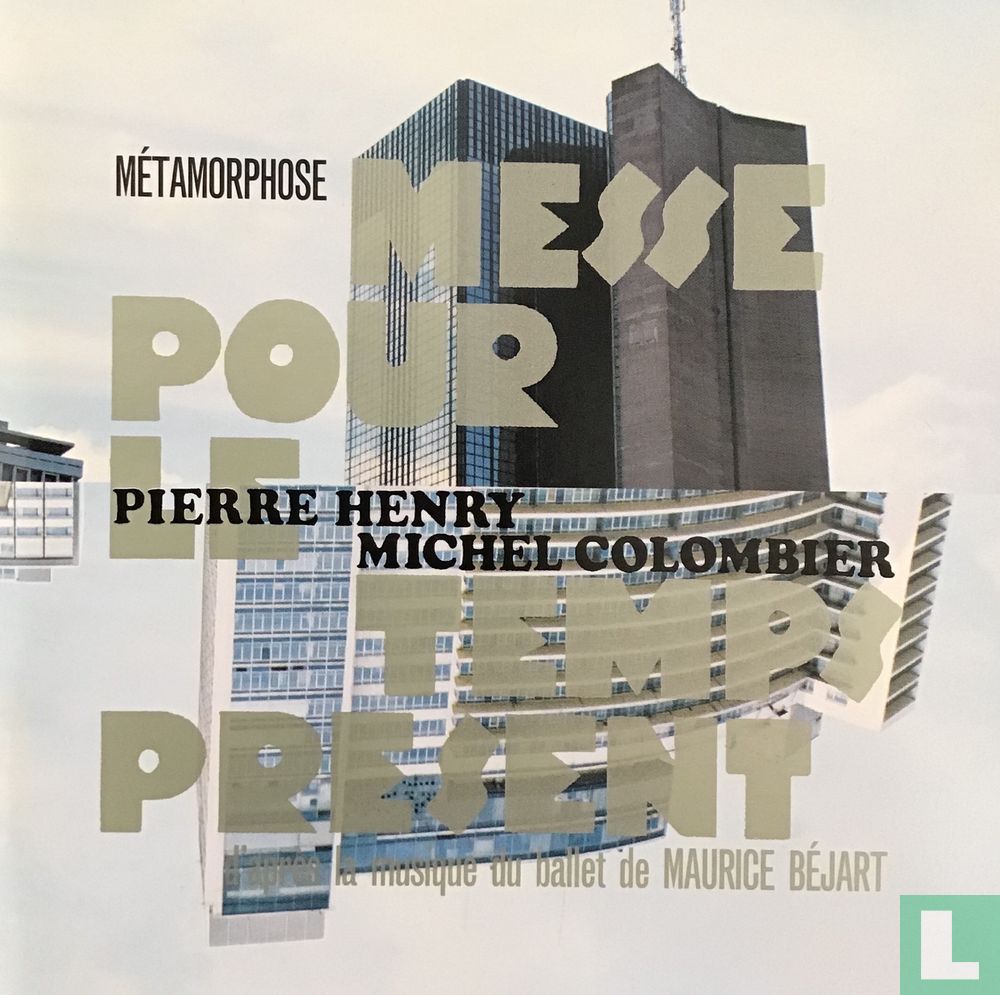
Pierre Henry, Michel Colombier
Métamorphose: Messe Pour Le Temps Présent (1997)
Twenty-eight years ago, Philips Records convinced 11 remixers to have a go at bringing into the techno age Pierre Henry and Michel Colobier’s musique-concrète soundtrack to a 1967 ballet. And bring it they did. It didn’t hurt that the riff running through “Psyché Rock” sounded a lot like “Wild Thing” (some would say “Louie Louie”) or that the album included five “Psyché Rock” remixes that together ran to 36-and-a-half mind-bending minutes.
AO
King Sunny Ade
Odù (1998)
Most people have heard Fela, but few have heard Nigeria’s arguably more successful musician, King Sunny Ade. The “King” is self proclaimed, but he’s from Nigerian royalty and is indisputably the king of Juju music. He released over 120 albums and was twice nominated for a Grammy, the only African so recognized. Odù wasn’t the first of his I heard, but it’s probably the best: unique, exotic, haunting, part tribal singing and part ’60s lounge jazz. Transporting.
Bob Guccione, Jr.
Mulatu Astatke
Éthiopiques, Vol. 4: Ethio Jazz & Musique Instrumentale, 1969–1974 (1998)
This Ethio-jazz collection perfectly illustrates what makes Mulatu Astatke the “father” of the genre, one he pioneered by combining traditional Ethiopian melodies with Latin influences and American jazz, soul, and funk. It’s a well-rounded introduction that features Astatke using organ, horn, vibraphone, and percussion to create a hybrid of Ethiopian folk sounds and rich jazz harmonies and grooves. (It’s consistently in rotation for me — some of the best work instrumentals ever written.)
Kyle Eustice
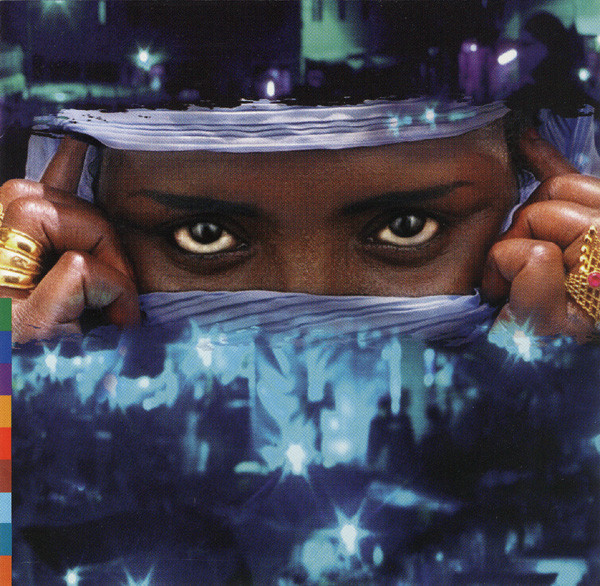
Maryam Mursal
The Journey (1998)
Mursal’s, well, journey from war-torn Somalia (some of it on foot, with her five children) to asylum in Denmark is at the heart of this album, which mixes traditions and very modern production. Not surprisingly, Peter Gabriel released this album on his Real World label.
Steve Hochman
Pinetop Seven
Rigging the Toplights (1998)
With country as a foundation, Pinetop Seven tinkered with Hollywood soundtracks and Windy City improvisation to score open-highway vistas and tales of folks getting lost in America’s darker corners. (How much better would those later seasons of True Detective have been if they’d used “The Fear of Being Found” as a theme?)
Stephen Deusner
Robert Stewart
The Force (1998)
You don’t have to be an A Love Supremacist to get what this severely under-appreciated saxophonist and his three-man combo are doing on the 10-minute title cut (which has nothing to do with Star Wars, thank the Sith), but you’ll get it faster if you are. You’ll also get the four-and-a-half-minute “Ripple” faster if the narrator of your inner monologue sounds like Sam Spade.
AO
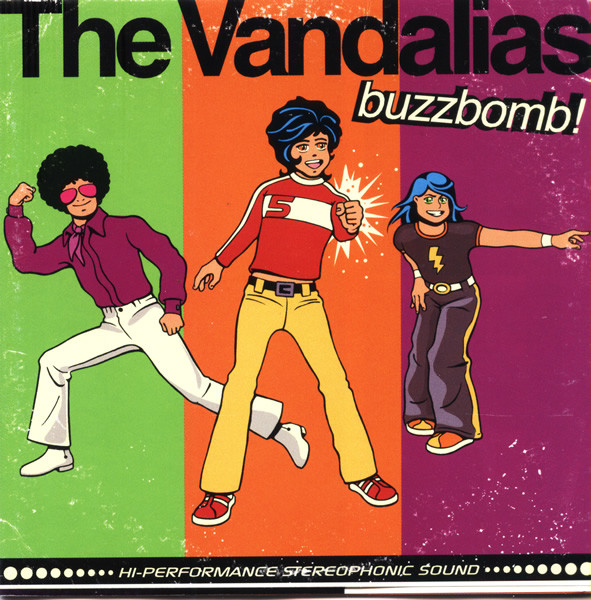
The Vandalias
Buzzbomb! (1998)
If being portrayed as cartoon characters on the cover places the Vandalias among such enshrinees of the Animated Rock ‘n’ Roll Hall of Fame as the Way-Outs, the Archies, and Josie and the Pussycats, their musical personas situate them among such sugar-rush titans as the Raspberries, early Cheap Trick, and Sweet (whose late lead singer they bid R.I.P. in the liners.)
AO
The Subteens
Burn Your Cardigan (1999)
This Memphis power trio split the difference between the Who and Big Star with sophisticated hooks, muscular riffs, and self-deprecating humor. The frontman Mark Akin wails on his guitar and channels an acute twentysomething anomie: creaky Midtown apartments, dank dive bars, bottom-shelf liquor bottles, frayed relationships well past their expiration dates, Tommy cranked way too loud, and a “You May Be Right” so addled and agitated that Billy Joel might not even recognize it.
SD
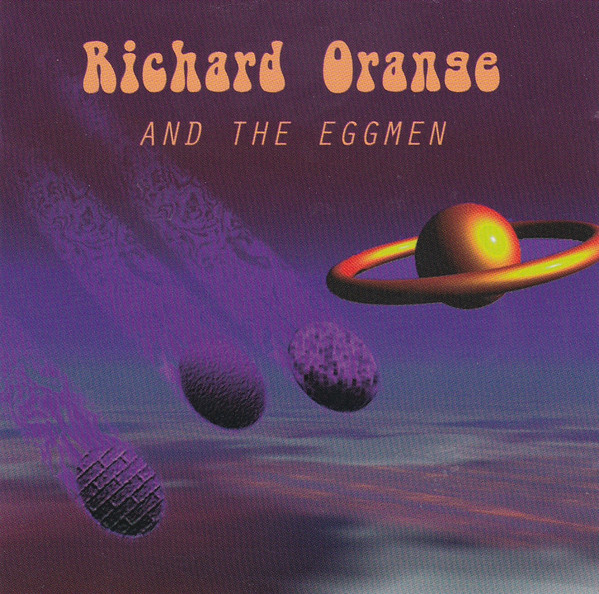
Richard Orange and the Eggmen
Richard Orange and the Eggmen (2000)
Trippy overdubs and doctored tapes, orchestras and exotic instruments, a song actually titled “Beatlesque,” the use of the last chord in “A Day in the Life” to conclude “Big Orange Sun,” Orange’s McCartney-esque voice — it’s enough to give lifelong members of you-know-who’s lonely-hearts club the shivers.
AO
Mary Karlzen
The Wanderlust Diaries (2006)
Within the first seven-and-a-half minutes, Karlzen goes from gentle, foggy-morning beauty to full-bodied rock to gorgeous Replacements cover, thus mapping out the musical and emotional parameters of an Americana that’s never dull and frequently arresting.
AO
Linda Ronstadt/Ann Savoy
Adieu False Heart (2006)
Fans of Ronstadt can playlist the five on which she sings lead as a Stone Poneys EP, fans of Savoy can playlist her seven as a Magnolia Sisters EP, and fans of Andrea Zonn (resophonic viola), David Schnaufer (dulcimer), and Dirk Powell (fretless banjo) can loop “Opening,” “Closing,” and the two “Interludes” as mood music. Lagniappe: covers for fans of Richard Thompson and “Walk Away Renee.”
AO
Caetano Veloso
Cê (2006)
With David Byrne, Beck, and others having embraced and celebrated the ‘60s-rooted Tropicalia movement that Veloso co-created in Brazil, the ever-restless force pared down and sharpened his sound for this bracing album of quartet rock. In some ways it’s as quirky as anything he’s done, but it’s powered by an intimacy and an engaging spirit, making it a standout of his still-growing legacy.
SH
Moise and Alida Viator with EH, LA-BAS!
Creole Fusion (2006)
Sonny Landreth guests, but whether covering songs from Prairie Mamou and Colombia or New Orleans and Spanish Harlem, the Viator siblings and their band are the stars. It’s the rare combo that can make Argentinean bullfight music sound like Fleetwood Mac’s “Tusk,” improve “Ain’t Got No Home” with swinging horns and Ventures guitar, or recast “My Boy Lollipop,” “A Teenager in Love,” and “I Like It like That” as music to bust piñatas by.
AO
Robin Williamson
The Iron Stone (2007)
In which the former Incredible String Band leader juxtaposes his own songs with musical settings of famous poems. The treatment includes Celtic harp, mandola, Chinese flute, drone flute, shawm, clarino, and Williamson’s voice: leprechaun-like in tone, ever in search of the lost chord, and beguilingly serpentine.
AO
A Camp
Colonia (2009)
A side project from the Cardigans’ Nina Persson, combining the detached ultracool of Nico and the melodrama of cabaret.
Bill Kopp
The Orange Peels
2020 (2009)
The nexus in which AM Gold and power pop meet, sophisticated pop that’s tuneful in the extreme, drawing upon diverse influences while never falling into the power-pop trap of aping their idols.
BK
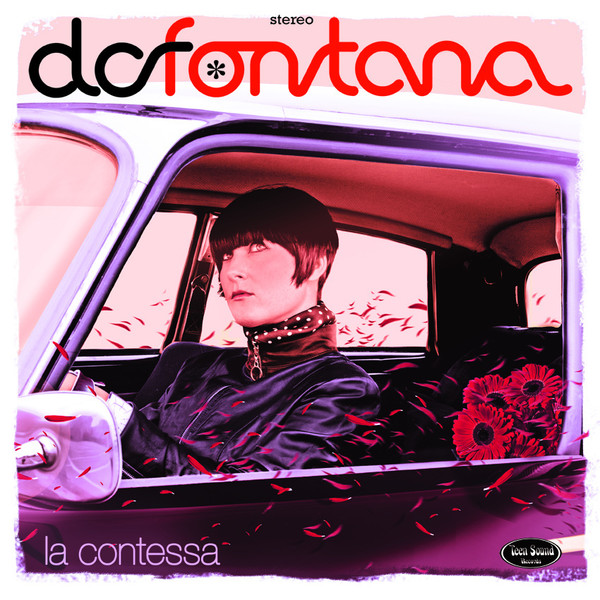
DC Fontana
La Contessa (2011)
A punchy album that swings, retro but with enough modern sheen to make it more than a stylistic excursion. Hints of slinky-cool acts like Air and Zero 7 mix smoothly with a hip soul vibe. Fuzz guitars and combo organs blend surprisingly well with beefy horn charts and jazzy electric-piano figures. Hints of Morricone, Herb Alpert and John Barry abound, but the music always rocks.
BK
The dB’s
Falling off the Sky (2012)
This older, wiser version of the dBs draws on each member’s life experiences to craft what is arguably the group’s finest release. As wordsmiths, Peter Holsapple and Chris Stamey seemed at the top of their game during the dB’s original run. This brilliant album proves otherwise.
BK
Portland Cello Project
Portland Cello Project Play Beck Hansen’s Song Reader (2012)
Thirteen years ago, Beck published Song Reader, a 20-song “album” available only as an illustrated book of sheet music. What at first seemed like a gimmick became a phenomenon as musicians rushed to “read” the songs. The Portland Cello Project and their coterie of guest vocalists (e.g. Chanticleer) read them better than anyone else.
AO
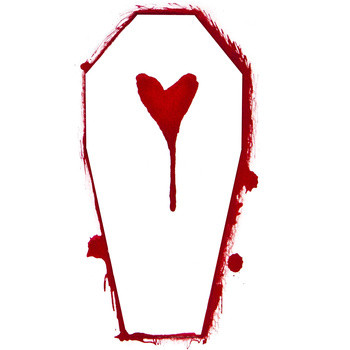
Sir Deja Doog
Love Coffin (2014)
If you’ve ever wondered what Joy Division would sound like covering “Monster Mash,” Sir Deja Doog is your guy. The weirdo alter ego of Bloomington, Indiana’s Eric Douglas Alexander, Doog looks and sounds like an old-school creature-feature host crossed with an even older-school cult leader, and he peppers this debut with rockabilly rave-ups and skits that retell the story of Orpheus and Eurydice.
SD
Noura Mint Seymali
Tzenni (2014)
Mauritania has a lively history of griots, with Dimi Mint Seymali breaking through on the global stage in the 1990s. Her daughter Noura followed with a series of powerful albums — including this spirited set – and forceful performances, often in collaboration with her husband, the electric-guitar dynamo Jeiche Ould Chighaly. Music with its own edge, electrifying beyond anything Tinariwen offered, and up there with Mdou Moctar.
SH
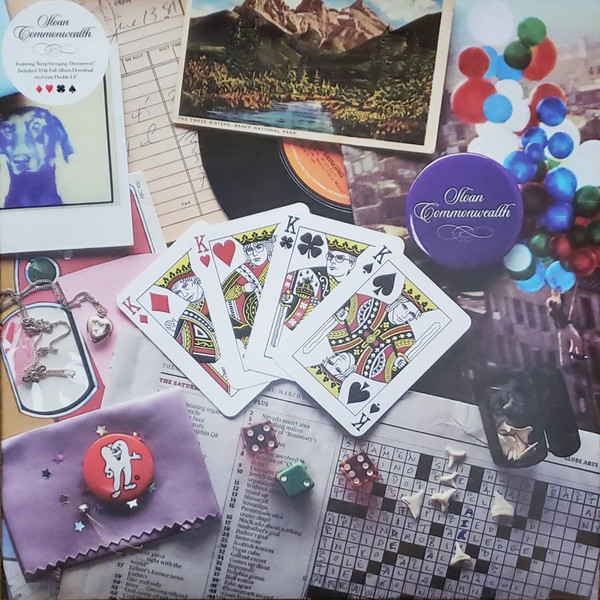
Sloan
Commonwealth (2014)
The Canadian power poppers’ most ambitious work yet–a four-sided LP in which each member crafts a side-long suite that works as a very good mini-album of its own.
BK
Khaira Arby
Gossip (2015)
From Ali Farka Toure to Oumar Sangare, Mali is among West Africa’s musically richest countries. Arby is lesser-known, but the profound power of her music is up there with the best.
SH
The Egyptian Lover
1984 (2015)
More than 30 years after blazing a trail with On the Nile, the electro-hip-hop pioneer Egyptian Lover returned with 1984, an obvious homage to the year he’d made his debut. The 12-track project stays true to his roots and the sound that made him a staple on the West Coast.
KE
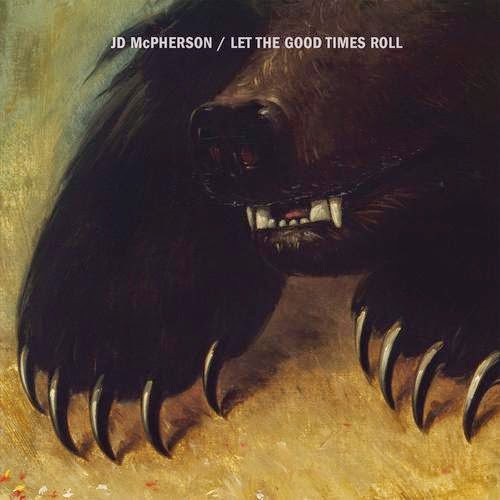
JD McPherson
Let the Good Times Roll (2015)
In which the wild and reckless feel of early rock and roll is brought forth largely intact into the 21st century, informing the music with a knowledge and understanding of all the hard rock that came in the wake of those early pioneers.
BK
Mike Mills
Concerto for Violin, Rock Band and String Orchestra (2016)
This ambitious outing from the R.E.M. bassist finds him pairing with the violinist Robert McDuffie and playing a lengthy multi-suite piece that features guitar-bass-drums and a powerful string section.
BK
Juana Molina
Halo (2017)
Segundo, the 2000 second album by this innovative Argentinian musician, stands as a pillar of modern South American music, its electro-folk clearly an influence on Bomba Estereo and others. But this album’s dark magic stands on its own, drawing on myth and fairy tales and digging deep into emotional houses of mirrors. It’s too facile (and perhaps insulting) to call Molina a sub-Equatorial Bjork. But that’s not a bad way to open the door.
SH
The Comet Is Coming
Hyper-dimensional Expansion Beam (2022)
The melodically accessible music on this London threesome’s third album is a heady mixture indeed, drawing upon hip-hop and electronic textures for both its foundation and its well-placed musical adornments. At its core: a potent soul-jazz, free-jazz blend.
BK

Johnny Gandelsman
This Is America (2022)
For this nearly four-hour pandemic project, the violinist Gandelsman (of the Brooklyn Rider string quartet and Yo-Yo Ma’s Silkroad Ensemble) commissioned 25 composers (some familiar, most “discoveries”) to challenge him with new, genre-defying works. Richly wrought, fully realized, dazzlingly inventive, and virtuosic, the songs conjure the movingly illuminating experiences and emotions of the multitudinous origins, orientations, and traditions of America today.
SH
Tchotchke
Tchotchke (2023)
This trio of young women makes energetic, super-catchy music with a knowing attitude. “Come On, Sean” has a sophisticated, art-pop character that might call to mind Jellyfish or even “Being for the Benefit of Mr. Kite.”
BK
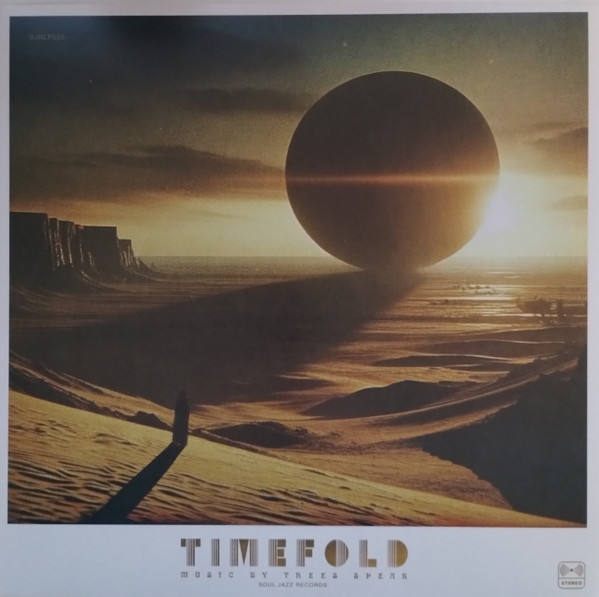
Trees Speak
Timefold (2024)
In which an Arizona duo draws inspiration from krautrock (most notably Tangerine Dream and Neu!) and ‘60s film soundtracks. Hypnotic trance that takes listeners on a journey.
BK
Sykofant
Sykofant (2024)
A Norwegian quartet nodding to everything from spaghetti-Western soundtracks to Rush to Led Zeppelin and doing so with originality, muscle, chops, and (believe it or not) humor.
BK

