

Now Hear This is a monthly A&R column that provides you with exciting new sounds we discovered through the innovative new music platform Groover.
Each month, you can expect a varied bouillabaisse of songs from a vast spectrum of artists from all over the globe, regardless of genre or geography.
In December, we hope to introduce you to an impressive and wide-ranging array of talented acts including modern New York pop singer B. Miles, rising Brooklyn indie rockers Evil Twin, English post-punkers Pageant Mum, Norwegian singer-songwriter Drea, Vision of Disorder guitarist Matt Baumbach’s new solo project, industrial death metal from Harrisburg, Pennsylvania with Horror Scene, Australian street storyteller Tomi Gray and Seattle soul traveler Shelita.
Who knows, your next favorite act could just be a read away.
B.Miles
Sounds like: A fabulous, New York-based throwback to the trip-hop era but with a modern pop twist, akin to Caroline Polachek produced by Massive Attack.
Interview:
Describe your approach to music and how you would explain your sound to others.
I don’t know how I got so lucky that I get to chase these songs into existence with my 4 best friends, Eric Nizgretsky, Jackson Firlik, Rob Seeley and Matias Quarleri. When you’ve been making music with friends for as long as we have, you learn how to help feed each other’s strengths and use the combined effort to create a song strong enough to leave a bruise. That bruise is very much a core element of how I explain the sound of B.Miles to others. It’s brooding, it’s dark and you can feel its presence under your skin. A lot of what B.Miles is built on is explaining difficult emotions in a way where people can relate and identify with a storyline. Calling out the pain that you feel, but giving words to that pain.
How did you come up with the name of your act?
It actually came straight from my college email address. Eric and I met in college and one night we were just hanging and writing together, sitting in front of my laptop. I had no clue what I wanted to name this project but my email was open, and he just said, “what if it was just that? B.Miles.” And honestly, the rest is history.
What are some artists and albums that have informed your creative direction?
“Time Doesn’t Heal. It Hides.” ended up being a ten-year project without me realizing it, so there are a lot of artists who shaped different parts of it. When I first started writing for B.Miles, I was completely locked in on Portishead. Over time that shifted into a big love for The Marías. I think you can hear those influences in different pockets of the album.
Like with “Nine Matches,” the melody came from me listening to a ton of FKA Twigs. And the lyrics were written on a night when I absolutely refused to go out and just watched “Trainspotting” on repeat instead. Meanwhile, “Too Close to the Flame” pulls a lot from Tom Waits, both in the melody and in the way I ended up delivering it. So the album ends up living somewhere across the whole spectrum of the artists who shaped me.
What’s the most exciting thing happening in music right now?
I’ve been really excited about Saya Gray this year. Her new album blends this really interesting mix of vulnerability and callousness, and even though the production goes to some wild places, it’s all grounded by these great instrumental hooks and the sharpness of her writing. I’ve always loved strong female lyricists, and there’s something so energizing about hearing women write in a way that feels powerful. Every time I listen to her, it makes me feel like the possibilities for what I can make are endless.
Where do you see the music world heading in the next five years?
I feel like there are two extreme ways things could go. With AI becoming such a real threat to songwriters and artists, I worry about music drifting toward being generated by machines and cutting actual musicians out of the process. That feels like the worst case scenario.
But I can also imagine a real backlash to that, people getting tired of art that does not come from a human and intentionally seeking out music that feels personal and imperfect and lived in. There is so much fear across every industry about AI taking over, but I hope people will choose the stuff that feels lived in and real. A girl can dream, but if I am being honest, it still feels more likely to go the first way.
How is music helping you during these uncertain times?
I have been listening to a lot of music that makes me nostalgic for a different time. Mostly the stuff I grew up with, like classical music, classic rock, whatever my dad always had playing around the house. I have also been revisiting a lot of songs from my high school years. There is something comforting about hearing something that reminds me of a time when everything felt safer and more stable. Even if it only lasts for a couple of minutes, it lets me pretend I feel that way again.
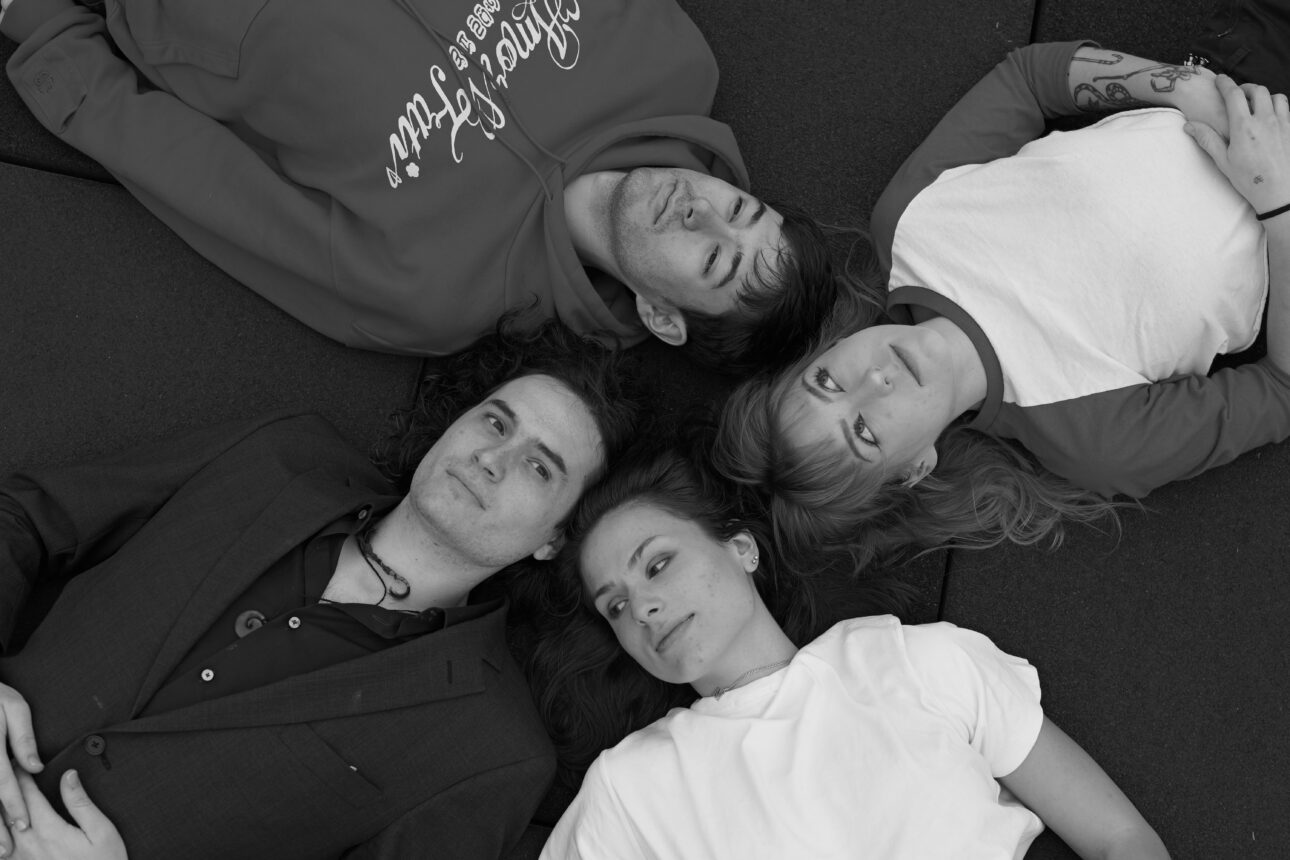
Evil Twin
Sounds like: Heavy, shoegaze-y guitars intersecting with indie pop sensibilities from the resurrected Brooklyn new rock scene, channeling a conscious coupling of Smashing Pumpkins and Death Cab for Cutie. One listen and you can tell why Jack White chose them to open dates on his No Name tour.
Interview:
Describe your approach to music and how you would explain your sound to others.
“We take the classic alternative rock and shoe gaze/dream pop sound that originated in the ’80s and ’90s and approach it with a modern Daw driven production sensibility — adding in even more effects and layers of synths and guitars — but I’d say our main focus is in creating a memorable instrumental melody for each track, one that drives the song, and then we build the rest around that, you might say a bit inside out from how most artists write (vocal first). Most of our songs arise out of jam sessions, and because of that, our different backgrounds really come through on an instinctual level. We have a punk bassist but a jazz drummer, a classical guitarist, and it’s not like we ever go all the way into becoming any of these genres, but the push and pull between them takes our songs to different places.
Once we have an instrumental, I’ll usually find the vocal melody first through just improvising on it. through that I find the lyrics, and then when editing I find the meaning. So it’s all subconscious for most of the process, that way I get to have a deeper look at myself than I might consciously be willing to take. A lot of the songs on this album I consider to be in loose song cycles, having a connected main character who these songs are “happening to” as it were. Not as much as a musical – but it’s a heightened, fictionalized version of myself, whose life is similar but different. To me, there is an unspoken tragedy that is haunting the main character of this album, something where they had to confront death face to face, I have periods where my dreams are pretty vivid, and I think that’s where these character’s lives are taking place, where ever that dream world is, or whatever it is, it’s lived experience until you wake up. I could talk more about what I see the album’s story as being, but I like to leave things up to the listener to interpret. – Peter McGee (Singer)
How did you come up with the name of your act?
We took the name from the Arctic Monkeys B-side, but it just stands out as catchy more than anything. We used a bracket system to vote on a list of like 40 names and that came out as the winner.
“If I were to go deeper into it, I used to think of my anxieties as a ‘dark brother,’ a copy of myself that’s kept in check through creative collaboration with him. The two of us can work together to create art, but if we don’t, then the other will get too much control. I want to be able to embrace this part of myself, not shun him or lock him away. And I was thinking of that when we picked the name.” – Peter
What are some artists and albums that have informed your creative direction?
“R.E.M. big time. Stuff like R.E.M. and The Replacements that maybe doesn’t get the respect in my generation they deserve, though Claire (guitar) is also a fan (which is where we get some of our harmony arrangement ideas). Michael Stipe does a lot of subconscious songwriting, and my own process is very inspired by that. In particular Life’s Rich Pageant and Murmur are my favorites. 6 Feet Beneath the Moon by King Krule had a big influence on me as a songwriter. I started with guitar though and Robert Fripp is my favorite player, Larks’ Tongues in Aspic being King Crimson’s best I think. We don’t usually stretch things out instrumentally like that record does, but there is something in the way that they structure songs, compressing down as many parts as they can into a mini opera, that we definitely aim to replicate in a pop rock angle. Television kind of does this too, it lets us get some cool guitar solos in without going full dream theater with it. Me and Riina are both big fans of Amadou & Mariam, they do some really unique things with guitar, that jangle pop sound put through a totally new context of afropop.. Finally, I do take influence from some spoken word stuff, there’s this LA Artist Xololanxino who just reads poetry over hip hop drum machine beats, and stuff like Suicide and Peaches, too. That finds its way into our new record, even if it’s only in a few moments. Adds spice to the climactic moments.” – Peter
“In addition to R.E.M., Radiohead and Avril Lavigne, I’m very influenced by Francisco Terrega, Matteo Carcassi and other classical guitarists. A lot of that is beginning to come through in the music we are already working on to follow up this album, so get excited for that, some very non-rock chord progressions. The XX, Steely Dan and Phantogram have also been inspirations.” – Claire Stevens, (Guitar)
“Beach House, Radio Dept., Ryuichi Sakamoto, Slowdive, Drop Nineteens, Snail Mail and
Alvvays.” – Thomas Kikuchi (Drums)
“Nirvana, Pixies, The Cure are probably top three. I love a repetitive bass line but it’s gotta have *that something* so you don’t get bored playing or hearing it over and over.” – Riina Dougherty (Bass)
What’s the most exciting thing happening in music right now?
“Bar Italia, Geese of course, I’m very excited about the gothic Charli xcx material that’s been coming out, as I’m a longtime big fan of John Cale, what a wild collaboration. I also am loving a lot of what’s coming out of Asheville, bands like Wednesday, MJ Lenderman, our friends in the band Hiding Places have roots there too, though they’ve moved to New York. I’ve always had a special love for that city and I’m happy to see they are having their moment after going through so much during the hurricane last year. I feel like you could even say living without water for months might be something that colors the malaise of some of those artists. A lot of great bluegrass down there too, Woody Platt is a great local musician there that I’ve had the privilege of jamming out with, but there’s also just normal people who will gather and play in small little bars — that’s the kind of music I get excited about. Here in New York there are loads of bands we love, lots of great artists sharing bills that go between genre and style, where the exciting thing is that everyone’s there to support each other instead of gatekeeping their genre. There’s also the underground metal scene, which is kind of a new Evolution of Hardcore Punk with Gen Z internet style and Hip Hop influences, not in a Nu Metal way but a totally new way — you can hear that even in some big artists who stopped making rap and switched to metal. Some bands even fuse together RnB and Metal, which is a wild combination. A lot of this was happening at Saint Vitus, but sadly they closed down so I hope those bands found a new home.” – Peter
“I’d say the most exciting thing is I can tell people really wanna go out and be at live concerts / shows, with minimal to no artificial intelligence involvement. I think people do want authenticity in their music, and maybe it might not be everyone’s taste but it always evolves and it’s hard to predict what the next trend is. Personally I think it’s pretty nice because audiences I feel are very tired of big brands / people doing things for an instant cash out, and so it leaves you with trusting your own process and developing a sound organically.” – Thomas
“I’m excited that there are a lot of new groups constantly creating new brand new sounds, it’s cool that even with all the music that has been out ever, there’s still new things to try.” – Claire
“I think this is true of every generation but I’m reaching an age where the bands and scenes I was a part of in my youth are now making a comeback and I’m selfishly really excited about that haha.” – Riina
Where do you see the music world heading in the next five years?
“Bad places man, with all this AI, if someone with power doesn’t do something to put a stop to all that, it’s going to make pretty much every music platform a no man’s land, or at least a dangerous swamp of slop. But hey, maybe that’ll force everyone to go back to sharing music person to person, at a local level. That would be the future I hope for.” – Peter
“Where music might be in the next 5 years is impossible to say, but I can really see streaming becoming less and less of a reliable source for metrics and performance. I’m maybe even gonna say it’s gonna rely on merch sales / live shows even more, but that’s just my guess.” – Thomas
“Ya piggybacking off both things Thomas said, I feel like there’s an increased appreciation and demand for artists playing smaller rooms as opposed to arenas/stadiums, like lots of people are getting priced out of concert-going by corporations like Live Nation/Ticketmaster. So hopefully there will be a shift toward DIY over major labels/industry support. Local scene revivals. More independent venues. (I’m being optimistic!)” – Riina
How is music helping you during these uncertain times?
“Well the reason we do it is to have hope that we can get some autonomy and agency over life, but it’s also a way of processing the lack thereof. I think that what we are making now could at least stand as a kind of snapshot relic of these times, if these times do in fact end – but if things keep going the way they’re going that at least we can use music to do some good, get a platform, and try and help people through that. I know that we all care a lot about the local music scene here and any bit of success we get gives me hope that the scene could turn into something self-sustaining for people, something where artists can make a living again, connecting directly to their fans. Music doesn’t really stand up against power the way that people feel like it does, but people can be united through music, so there’s a starting point. If we can unite people through ours, then it will be worth it.” – Peter
“I think every time has uncertainty especially if you listen to music and study it. All art comes from a desire to express something, so it’s comforting to know we aren’t the first ones or the only ones to pursue something like this.” – Thomas
“Blockin’ out the noise baby! No but actually, I’ve been leaning into the nostalgia factor of relistening to albums/bands I loved as a kid. Like being sonically swaddled.” – Riina
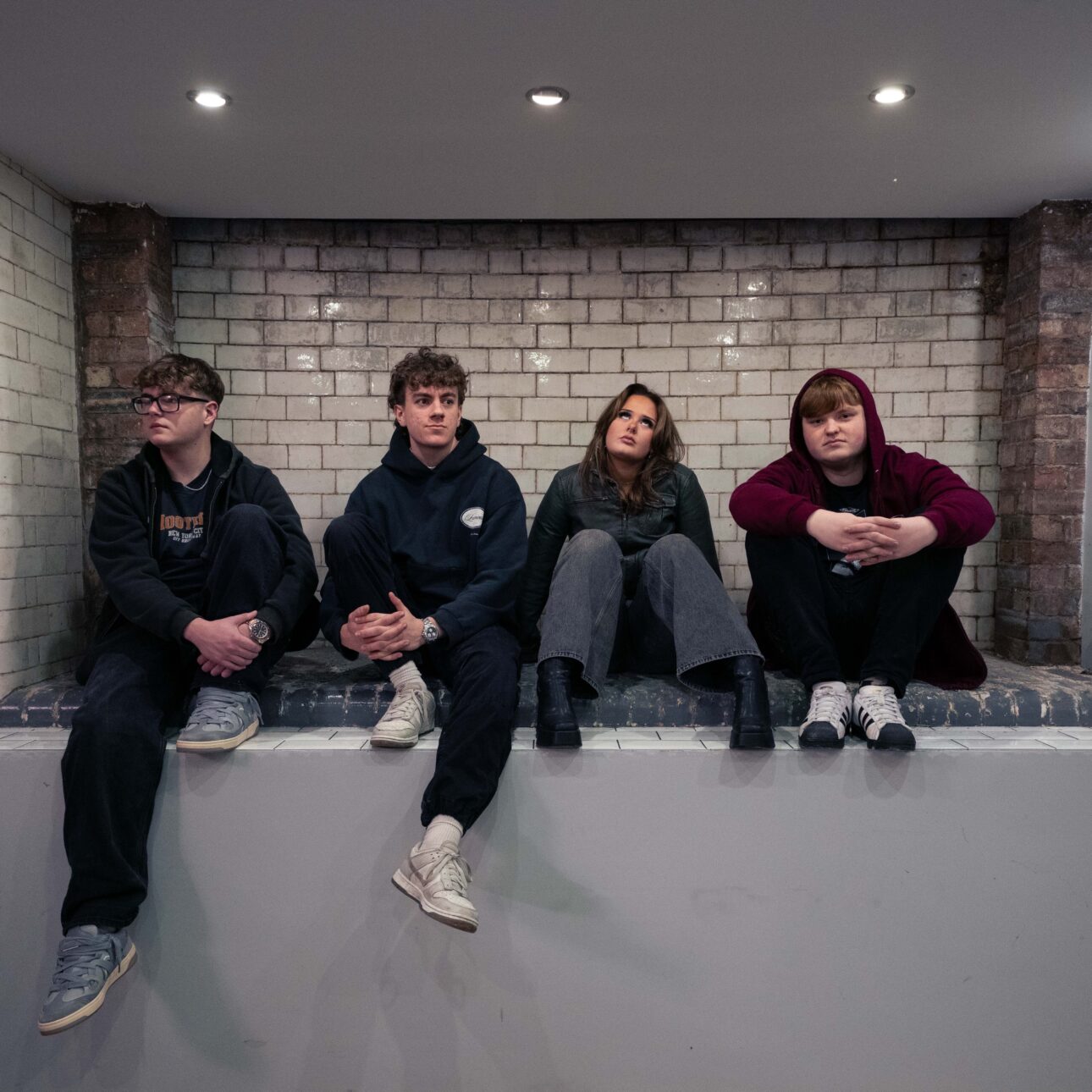
Pageant Mum
Sounds like: Blending crushing lo-fi riffs and melodic hooks, England’s Pageant Mum is a total throwback to the Hüsker Dü songs where Grant Hart took the lead vocals, albeit if the Minneapolis trio were signed to Rough Trade instead of SST back in the day.
Interview:
Describe your approach to music and how you would explain your sound to others
Pageant Mum: We have a very DIY, authentic and chaotic approach to our music. We never follow a specific structure when writing. One of us will usually come in with a riff or some chords and we build around it from there. Sonically, we’re very raw and in your face. After shows we’re often told, “That was one of the loudest gigs I’ve ever been to.” We want the music to feel like more than just a band on a stage. We want it to almost consume people when they’re in the room, with bold female vocals driving it.
How did you come up with the name of your act?
Izzy: When I was a kid I used to perform as a solo act, and when we first started gigging as a band, my mum found it really hard to let go of that image. She was still trying to dress me in sparkly dresses to play rock music. Over time people would say, “Stop being such a Pageant Mum.” The name just stuck.
What are some artists and albums that have informed your creative direction?
Pageant Mum: We all come from different musical backgrounds, but some common influences for us are Paramore, Fugazi and The Bronx, which feed into our energetic, post-hardcore and grunge-leaning sound.
Izzy: Hayley Williams from Paramore has been a huge inspiration to me. She manages to remain feminine while making her voice stand up against really heavy music.
Liam: For my guitar playing, one of my main inspirations is Simon Neil from Biffy Clyro. I like how he uses unusual chord shapes and mashes techniques together to create something really unique. In terms of albums, Quicksand’s Slip and Title Fight’s Shed have been big for me. Basically anything Walter Schreifels has been involved in.
What’s the most exciting thing happening in music right now?
Elliot: The most exciting thing for me is being able to watch small bands grow and seeing new ideas people are putting forward.
George: I recently read about Ireland starting a basic income scheme for people working in the arts. It means musicians and artists would be paid a weekly income to help support the transition into working full time in the creative industries. If it proves successful, hopefully governments around the world will start valuing artists in a similar way. That feels like a really positive step for the industry.
Where do you see the music world heading in the next five years?
Pageant Mum: With the inevitable rise of AI, we think and hope people will start valuing the real craft and time that musicians, producers, engineers, promoters and everyone behind the scenes put into music. There will probably be more AI-generated work, but real music fans care about the story and context behind an artist. At the same time, social media will continue to play a huge role in helping underground bands grow their audiences through gigs and festivals.
How is music helping you during these uncertain times?
Pageant Mum: Music is a form of therapy for us. It is an escape and a release. It helps us process things we can’t always put into words and gives us something steady to rely on, no matter what else is happening.
George: For me, music is almost an escape. Playing an instrument, especially drums, is a huge stress reliever.
Liam: Music really helps me think clearly and stay focused, especially heavier music.

Drea
Sounds like: Hailed by Norwegian national radio as “a rare songwriting talent,” Andrea Ådland weaves between vulnerability and invincibility with her emotionally honest approach to dreamy indie pop music in the key of the Juliana Hatfield Three.
Interview:
Describe your approach to music and how you would explain your sound to others:
My music always starts with a feeling I can’t sit still with. I write to make sense of emotional chaos — heartbreak, confusion and my mental health. My sound leans toward alternative pop and indie and I love bringing contrasts into the production: Softness against intensity, sweetness against grit.
How did you come up with the name of your act?
Drea is a natural nickname for me — it’s what my dad used to call me when I was younger. It feels authentic and close to who I am, but still like its own creative space.
What are some artists and albums that have informed your creative direction?
I’m inspired by artists who balance vulnerability and strong storytelling. My biggest inspiration has always been Phoebe Bridgers, but lately I’ve been drawn to more rock/punk-leaning indie music. I especially enjoyed Daisy the Great’s album The Rubber Teeth Talk. I’m also inspired by Dora Jar, boygenius and Haley Blais.
What’s the most exciting thing happening in music right now?
I love how the industry is becoming more personal and less polished. Listeners gravitate toward authenticity — not perfection. I feel like more artists are letting people into the process: the drafts, the voice notes, the feelings behind the songs. There’s something beautifully human about that shift, and it makes space for emotions that don’t usually get represented in polished pop.
Where do you see the music world heading in the next five years?
I think we’re moving toward a landscape where individuality matters more than genre. Artists won’t feel the same pressure to fit into a box — instead, they’ll create sounds that reflect the complexity of their lives. I also hope the industry continues toward more sustainable careers, where artists can choose mental health over constant output, and audiences respect that.
How is music helping you during these uncertain times?
Music helps me make sense of things. Writing keeps me grounded, and turning emotions into songs makes everything feel a bit lighter and more meaningful. When everything else feels unpredictable, music reminds me that I can still create something honest, something that belongs to me, and something that might make someone else feel less alone.
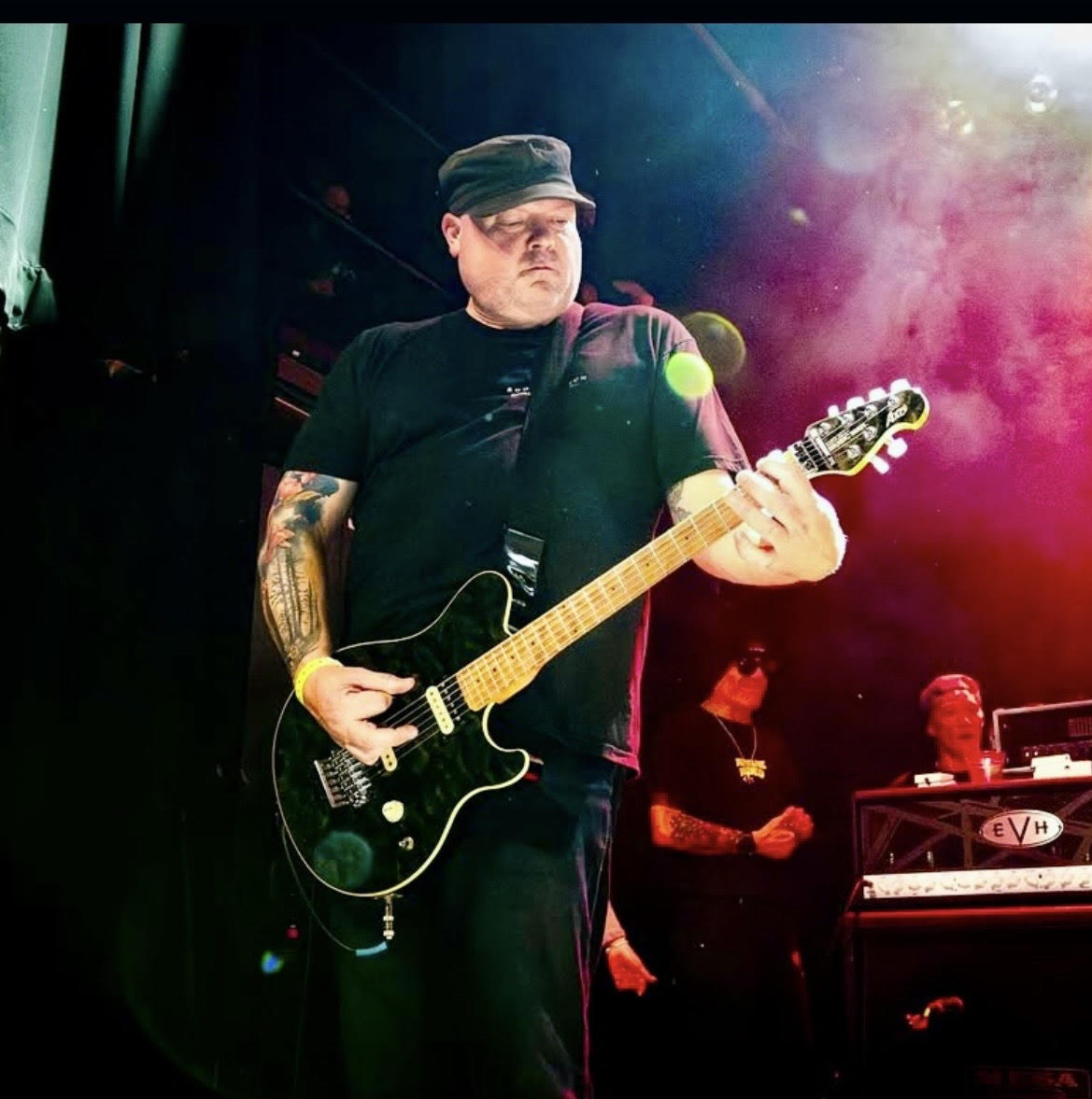
M@
Sounds like: Vision of Disorder guitarist Matt Baumbach, in addition to reuniting with his Long Island hardcore brothers in the band, offers a different side of his artistry under the M@ moniker, crafting music ranging from jangly, lo-fi acoustic pop to raging, Bob Mould-esque alt-rock to basement-born, sample-based synthpop. An incredibly versatile talent from the NYHC community.
Interview:
Describe your approach to music and how you would explain your sound to others.
My approach to M@ is to literally be as diverse and multi-genre as possible. I feel like everyone likes all genres nowadays including myself. I have always been that way even going back to the early NYHC days. Other bands would be playing like-minded acts and we would have on music like Radiohead and Massive Attack, etc..
The M@ sound is one of a heavy pop/Brit rock influence mixed with my love for pure indie rock similar to the early Springsteen approach. I write songs daily and my thought with M@ is to show the full journey a song takes from when it’s written up until when it’s released on all the platforms. Honestly I use YouTube for reference and normally put ideas up immediately after they are written. They aren’t all the best but I feel like the way you get a good song eventually is to write as much as you can so the flow of it is instantaneous. Every so often a real solid one hits. Lucky was one of those.
How did you come up with the name of your act?
I always like when artists have a name of what could be labeled as its own persona. To me M@ is that, it’s something so literal being my name (Matt) but also different and modern enough to be open to interpretation. Ethel Cain does that really well too. M@ was a name I thought of about four years ago when this new feeling of not being done in music came about. Since then I feel like a spigot of music has been pouring out.
What are some artists and albums that have informed your creative direction?
Absolutely Oasis first and foremost. Massive fan of the writing. Also Brandon Flowers, M83, Grant Lee Buffalo, The Boss, and even newer artists like Phoebe Bridgers, Homefront, Health. A lot of diverse stuff. I’m also way into Taylor Swift. Her pandemic records are incredible.
What’s the most exciting thing happening in music right now?
To me the reforming of Oasis has brought a massive wave of attention back to real solid rock songwriting. My bet is a whole new underground is coming to take over what has become a bit stagnant industry these past few years. I see it in the M@ algorithm. So many good bands are out there, you just need to keep looking. I also think artists that are taking chances really stand out. Ethel Cain, Blood Orange, Turnstile, they all are pushing boundaries, which I love.
Where do you see the music world heading in the next five years?
I believe the wave of independent artists is going to continue to grow. The rules have changed now. Labels and the industry are not needed as much so its real refreshing to see a song or artist get attention just for the music itself and not because of trends, efc. Not hating on the industry, it’s always going to be there, but the overall number of new artists has become the main shift.
How is music helping you during these uncertain times?
I can openly say doing the M@ project is literal therapy for me. It’s a diary that i want to share with everyone. I used to hold so much in and had an epiphany one day when a friend simply stated “why are you worried about winning or losing at music? You have already won from your previous career” hit me hard, next thing i know i have all these songs. Life is hard always, but if one person can feel better from hearing my music the way I do then its a win/win. I’m never stopping.
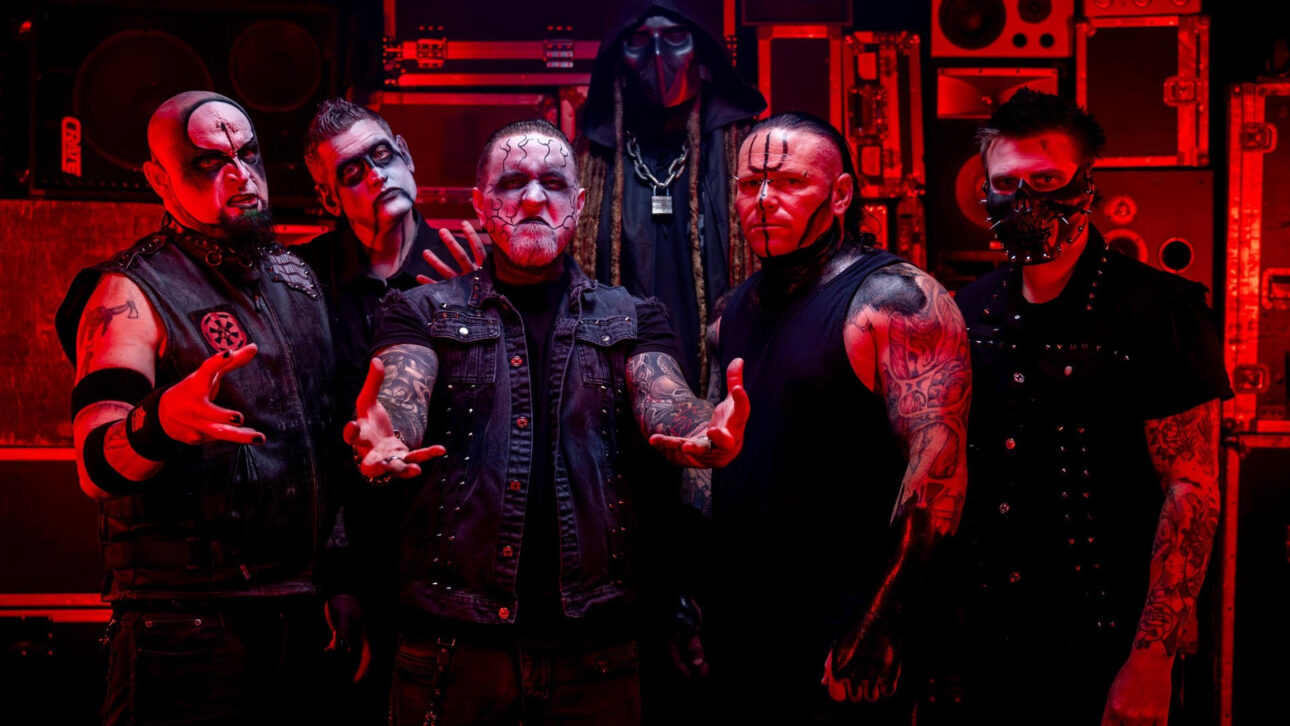
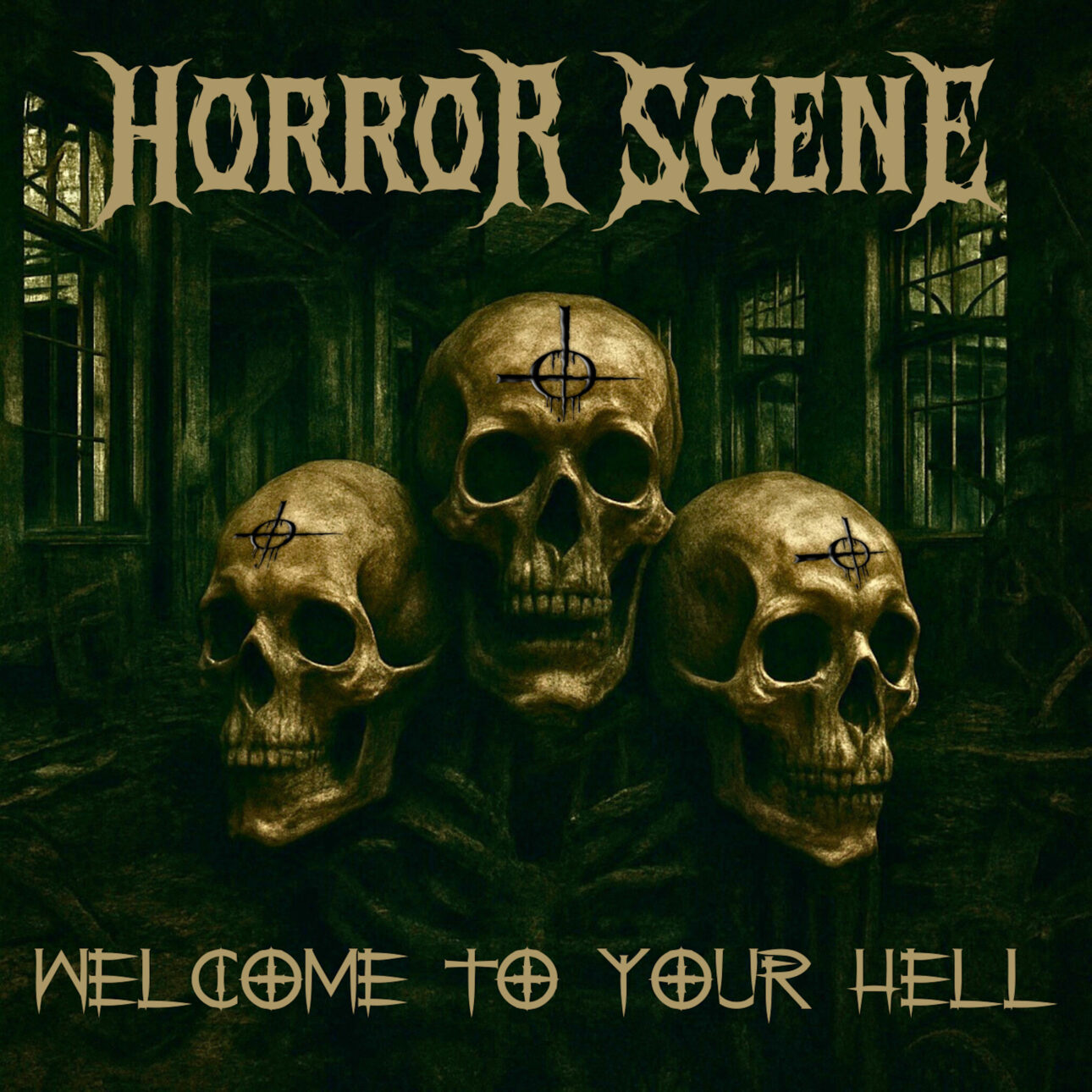
Horror Scene
Sounds like: Some heavy stuff coming out of Harrisburg, PA! The Sepultura vibes are super strong here, but with more of an industrial/goth feel that gives it some extra darkness. It’s like Slipknot meets Sisters of Mercy!
Interview:
Describe your approach to music and how you would explain your sound to others.
Our approach to writing is pretty simple. One of our three guitar players will come up with a riff and we start to work off that. Everyone will come up with parts and the song just progresses from there. Sometimes while writing parts that we come up with will often end up going in other songs, or becoming new songs themselves. Our sound is somewhat unique in a way. We have been told that we are what happens when Dimmu Borgir and Cradle of Filth have a baby. We call ourselves Industrial Goth Horror Metal.
How did you come up with the name of your act?
Well, we recently had a name change and necessity is the mother of invention. We found it necessary to change our band name due to various social media algorithms and cultural changes over the past few years. We kicked around ideas over several months trying to keep the name relevant to our musical style and horror scene seem to encompass both the music and our stage personas.
What are some artists and albums that have informed your creative direction?
There are so many artists that have contributed to our creative direction. Everyone from Alice Cooper, Rammstein, Marilyn Manson, Pantera, Misfits and not to mention a sprinkle of hair metal, LOL. With all of us fans of so many different genres of music it opens up a world of possibility. Nothing is off the table. If it works it works.
What’s the most exciting thing happening in music right now?
The landscape of music is constantly changing and evolving so it’s always keeping you on your toes. For us our single “Welcome to Your Hell” just reached number 20 on the Metal Contraband top 50 metal charts so that’s pretty exciting.
Where do you see the music world heading in the next five years?
Good question, the musical landscape is constantly changing. Sometimes in a direction completely unexpected but the only one constant is that metal in whatever form is still here and will be for a very long time. New generations are discovering metal, punk, hard rock and alternative formats different to the normal top forty radio. That being said one can only guess where we’ll be in five years.
How is music helping you during these uncertain times?
Music is very healing and in some ways cathartic. With all the noise going on in the background music seems to have that way of making you forget everything else and just enjoy the soundscape that is surrounding you.
Tomi Gray
Sounds like: Observant spoken word storytelling over punked up garage style beats, kind of like The Streets but with an Australian bent.
Interview:
Describe your approach to music and how you would explain your sound to others.
I live on the road with a travelling circus and write music every day.
How did you come up with the name of your act?
It’s my name.
What are some artists and albums that have informed your creative direction?
I listen to Tom Waits. People say it sounds like Beck. I wish they’d say Mike Skinner but I’ll take what I can get.
What’s the most exciting thing happening in music right now?
You have to pay money to be considered for any kind of exposure. They know that people who create have a yearning to share it with others and there are many who would exploit that. Be it Meta who takes your money and sprinkle your content to mostly bots, be it the music submission sites who take your money and add you to playlists with mostly bots, be it the press who take your money and ask you questions written by bots.
Where do you see the music world heading in the next five years?
Bots will start attending shows. They will develop bodies and grow tired of working for the further bastardisation of this once pure and magical endeavour. They will grow passionate about music in the way that we humans once were. They will buy music with the backdated wages from their early years of slave labour and wear band t-shirts and put posters on their walls and talk to their bot friends about how great this new song is. They will punish those who tried to destroy music through greed and laziness.
How is music helping you during these uncertain times?
It gives me hope.
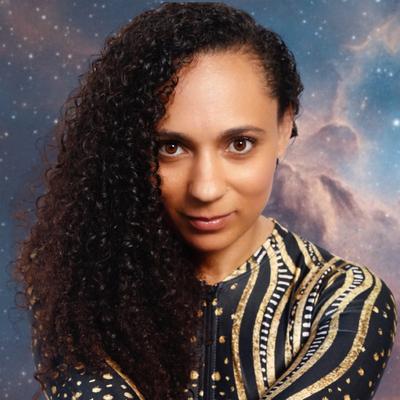
Shelita
Sounds like: A worldly combination of Jamaican sway, American R&B swagger and universal singer-songwriter appeal from a rock steady talent on the local Seattle music scene.
Interview:
Describe your approach to music and how you would explain your sound to others:
My approach to music is both intuitive and intentional. I create from a place of emotional truth and higher awareness. My sound can be called Conscious Pop, a blend of pop, electronic, and soul textures that open the heart and elevate the listener’s state of mind. It’s music for transformation, healing, love, and joy.
How did you come up with the name of your act?
Shelita is my birth name. A name my mother gifted me. It means little shell, which is a symbol of the Fibonacci sequence, the equation weaved into all of life, beautifully programmed into this existence we call consciousness. I hope my songs become part of the collective heartbeat, woven into the consciousness of generations now and those yet to come.
What are some artists and albums that have informed your creative direction?
Artists like Sade, Björk, and Frank Ocean have shaped how I think about depth, emotion, and sonic exploration. Albums like Lemonade by Beyoncé, Vespertine by Björk, Fever to Tell by Yeah Yeah Yeahs, and Channel Orange by Frank Ocean taught me how powerful vulnerability can be.
What’s the most exciting thing happening in music right now?
I feel like right now we are living in the best time to create and be authentic. We are in a renaissance of authenticity. The lines between genres are dissolving. Artists are free to blend sound, spirit, and storytelling in ways that were once unimaginable.
Where do you see the music world heading in the next five years?
I see it becoming even more experiential and holistic, with music as part of wellness, transformation, and community. Artists will not just release songs; they’ll create multi-sensory experiences that awaken people, an experience economy.
How is music helping you during these uncertain times?
Music is my therapy, my prayer, and my awareness. It helps me process, heal, and stay connected to love no matter what’s happening in the world. Creating and sharing songs reminds me that love and transformation are always available, even in uncertainty. My upcoming release Into The Depths, is a collection of songs that reflect music’s ability to uplift, heal, transform pain into beauty, connect people across cultures, and show how the human spirit can rise above challenges that life throws at us through love.
Groover connects independent artists with music industry professionals to accelerate their careers. Their goal is to empower independent artists by providing a platform that connects them with the best curators, radio, media, labels and other music pros to receive guaranteed feedback and exposure.
Over 600,000 artists use Groover to connect with 3,000+ professionals across the globe. Artists have received over 6M+ pieces of feedback, 1M+ shares (e.g. playlists, reviews) and 1,500+ label contracts — all thanks to Groover!

