

Kid Capri had a serious wake-up call in 2023. He was 56 years old and had just been diagnosed with thyroid cancer—yet he kept it to himself. That year marked the 50th anniversary of hip-hop, a culture the Bronx native helped pioneer, and there was work to do. He curated the BET Awards, introduced Derek Jeter during the Hip Hop 50 Live concert at Yankee Stadium on August 11 and performed at the Smithsonian’s National Museum of African American History and Culture 2023 Hip-Hop Block Party—all while battling a potentially fatal disease.
“It was crazy that year,” Kid says. “But while I was doing it, nobody knew what I was going through, and I didn’t make no announcement about it. I didn’t want nobody to know what was going on because I didn’t want the attention of it. I didn’t want people feeling sorry for me. So I said, ‘I’ll just wait until I see what happens.’ Once God blessed me and I was able to get rid of it, then I made a little announcement and said I had it and it was gone.”
So were his bad habits. After years of eating poorly and juggling the physical demands that come with being a professional artist, including late nights and early flights, Kid Capri was finally ready to commit to a new lifestyle.
“From that point on, I just ate different,” he says. “All the stuff I was doing before, I changed up. I went to the doctor when I had that pinched nerve and they was telling me that my spine was soft and I needed surgery on my spine. I wasn’t doing that. Once I changed my eating, everything went different. It’s the eating that is really hurting people, killing people, and making people sick. You go to other countries, a lot of the stuff that they have here, they don’t even allow.”
And he would know. Born in Brooklyn but raised in the Bronx, Kid Capri has been part of a cultural mosaic since day one. His career as a DJ, Grammy Award-winning producer, and rapper has taken him around the world multiple times. In fact, just days before he spoke to SPIN, he was in Lagos, Nigeria, where he performed at a Flytime’s House of R&B event alongside the group Total. His life has been peppered with unforgettable, pinch-me moments, and he’s nowhere near ready to hang up the mic. But without an overhaul to his diet, that might not have been his decision.
“I used to eat sweets every day,” he confesses. “Now I don’t touch that stuff, and I feel so much better. My brain is clear. The fog has lifted. My music got better and more intense. Everything is just better.”
Kid Capri’s latest single, “Talk Heavy,” is indisputable evidence. The rhymes are sharp, he’s spitting with authority and the production harkens back to hip-hop’s golden era. The comments on the YouTube video speak volumes. One reads, “This should be the standard in 2025,” while another proclaims, “Kid Capri came from behind the turntables to show us how it’s done!” One particular comment though makes him chuckle: “Kid Capri is rapping!?”
“That right there kills me!” he says. “Before there was a Ruff Ryders, Bad Boy Records, Cash Money, or No Limit, I had a rap album called The Tape [1991]. My next album, Soundtrack to the Streets, was seven years later. I produced it with everybody from JAY-Z to Busta Rhymes to Nas—everybody.
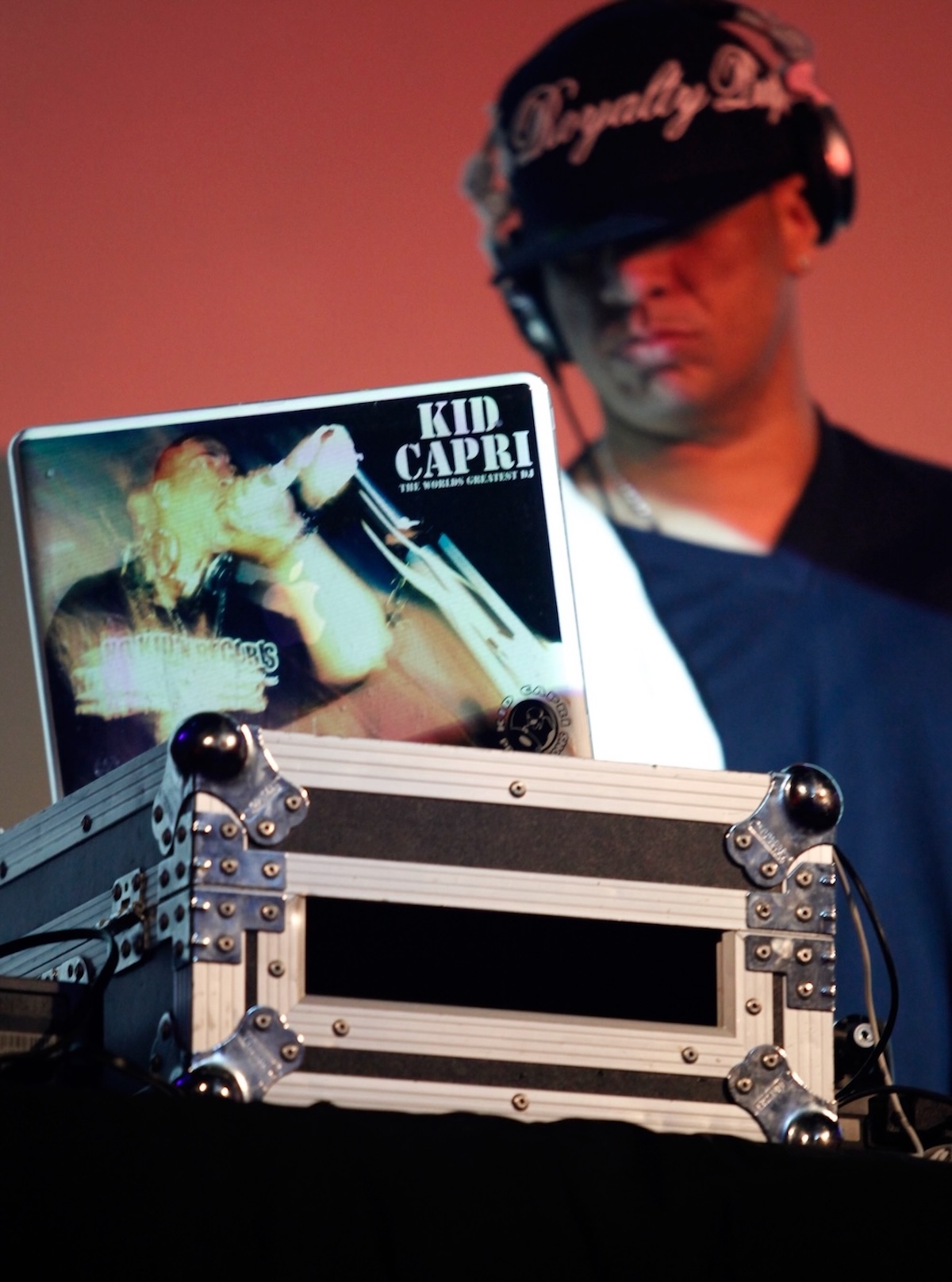
“My next album, The Love, was 24 years later, and I rapped on that whole album, too. But even to this day, people would say on the ’net, ‘Yo, I didn’t know he rapped.’ I got so iconic as a DJ, they didn’t know. I made ‘Talk Heavy’ so they see it.”
There’s a line in the song where he says, “This is the Kid Capri you don’t want,” which is almost like a challenge to other rappers to step it up—even rappers in his own peer group, who often seem more concerned with their image online than their actual artistic output.
“Kid Capri setting the bar on how you should spit and the seriousness of this right now,” he explains. “All you rappers out there ain’t had a hit in 15 years. Instead, you’re running around modeling and trying to look cute and all that shit. Get back to the music. This isn’t even the beginning for me. It’s going to get to the point where people got to stop playing, understand what this is and what’s at stake.
“All that cute boy shit, modeling for the ’gram, all the shit that y’all do, that ain’t going to work no more. Nobody wants to see that no more. Nobody wants to hear bullshit music. If your music ain’t special, if you ain’t giving people a feeling, if you ain’t making people feel better than they did before they seen you, it ain’t gonna matter.”
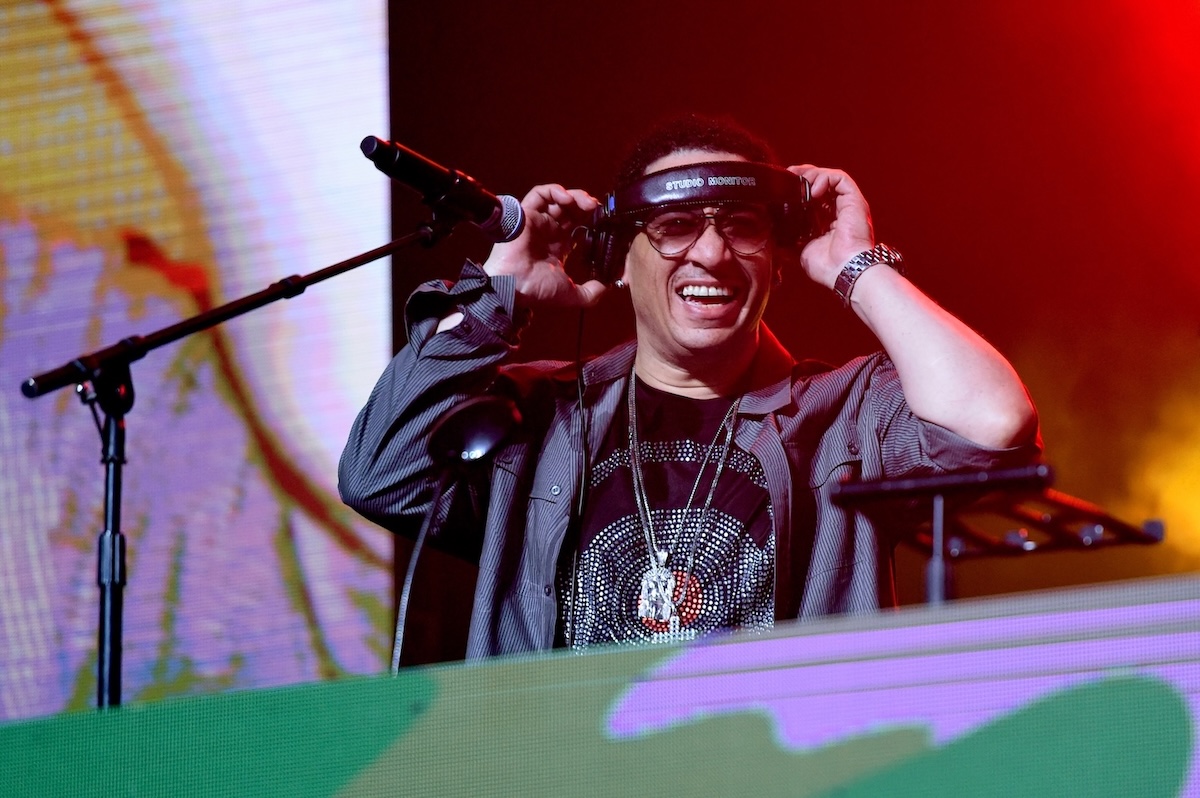
If that sounds harsh, that’s just the Bronx in him. Like many artists who witnessed hip-hop sprout from park jams and house parties to become a global, multi-billion dollar phenomenon, he’s protective of its roots. It’s a quality Kendrick Lamar respected enough to commission Kid Capri to contribute additional vocals to his Pulitzer Prize-winning album, DAMN.
“Us legends never leave,” he says. “When I did the Kendrick Lamar album, I didn’t really tell anybody. I never speak about what I’m going to do until it happens.”
And it did happen. The album arrived with a resounding boom in 2017 and not only won a Pulitzer but also spawned the Billboard Hot 100 No. 1 single “Humble,” topped the Billboard 200, won Best Rap Album at the 2018 Grammy Awards, and earned a triple-platinum certification from the Recording Industry Association of America. Kid Capri is beyond grateful his voice is included on four tracks from the project: “Element,” “Love,” “XXX,” and “Duckworth.”
“Kendrick called me and told me he wanted me to do the album out of nowhere,” he recalls. “He’s a big fan. When he got here to New York, I met him at the studio downtown and we started talking about ideas.
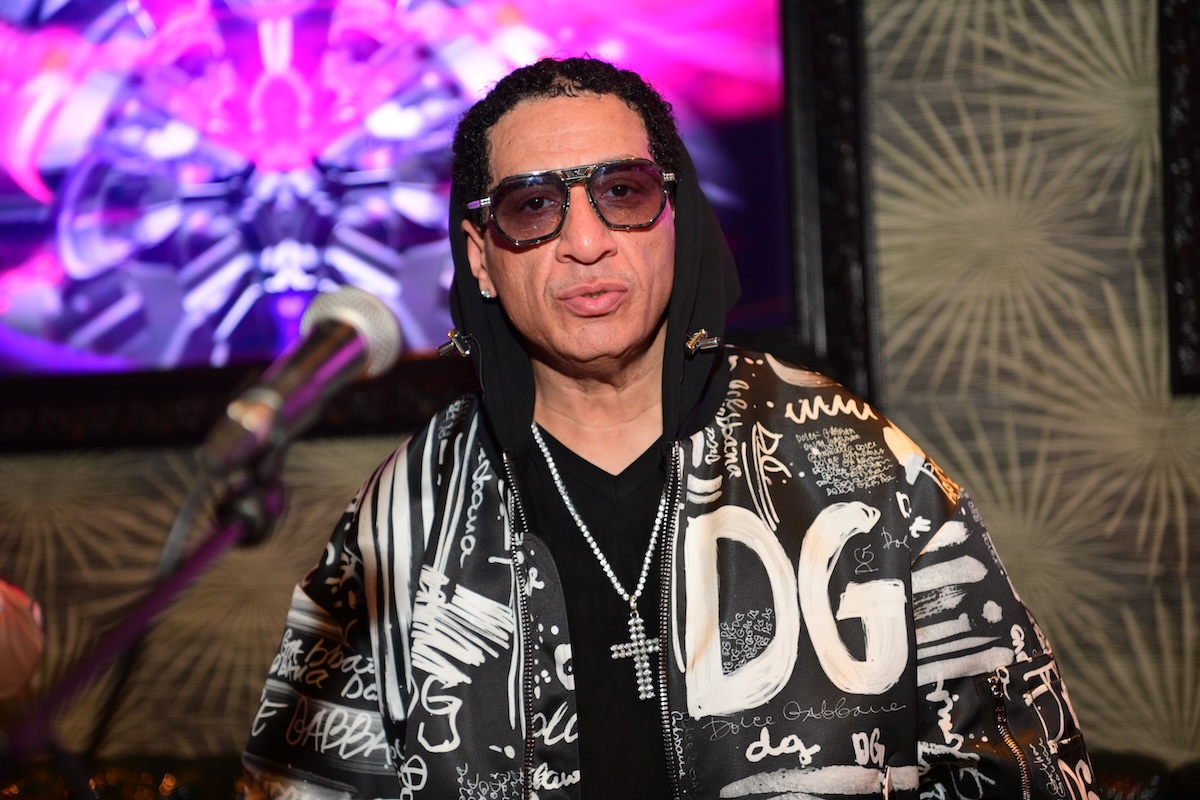
“I asked him, ‘Yo Kendrick, why didn’t you get Battlecat, the West Coast legend, or DJ Pooh, another West Coast legend, to do this?’ He said, ‘Those dudes are legends. I love them to death, but I know what you did for the music business. I know what you did for DJs. I know what you did just for the whole essence of hip-hop, and I wanted that authenticity on my album.’ He knows his history.”
Kid Capri has big plans for 2026 and promises to deliver more bangers before the year is up. Above all, he’s looking forward to hip-hop coming full circle to a time when lyricism mattered, skill mattered and authenticity mattered.
“When you around and you’ve seen every level of it, you’re able to stick it out,” he concludes. “Things are always going to come back. They’re always gonna come back to what it really is.”

