

Kendrick Lamar Duckworth was born in Compton, California, in 1987, and was still a baby when his hometown became synonymous with gangsta rap with the 1989 release of N.W.A’s Straight Outta Compton. So it might feel preordained that Duckworth, who would record at first as K-Dot and then as Kendrick Lamar, would eventually sign to N.W.A. co-founder Dr. Dre’s Aftermath label and become the biggest West Coast rapper of his generation. But Lamar, who began recording mixtapes at 16 years old, left us ample evidence of his humble beginnings, and all the hard work and self-improvement that went into his ascent from the self-declared “best rapper under 25” to the first rapper to win a Pulitzer Prize.
Building a buzz as an underground artist on the L.A.-based independent label Top Dawg Entertainment, Kendrick Lamar eventually became one of the top stars to emerge from hip-hop’s “blog era” in the late 2000s and early 2010s, alongside Canada’s Drake and North Carolina’s J. Cole. Drake was an early champion of Lamar, taking him on tour in 2012 and collaborating with him on multiple hit singles. Over the next decade, though, their friendly competition started to look more like outright rivalry, finally boiling over into a rap battle for the ages. Both rappers made several diss tracks about each other in the first half of 2024, with Lamar’s chart-topping taunt “Not Like Us” widely considered his knockout punch.
On February 1, Kendrick Lamar is up for nine Grammy Awards, the most nominations of any act this year. Lamar is the first artist to be nominated for Album of the Year for five consecutive albums, and 2024’s GNX could be his first release to actually win the big prize. Where does it rank in his celebrated catalog?
14. Training Day (2007)
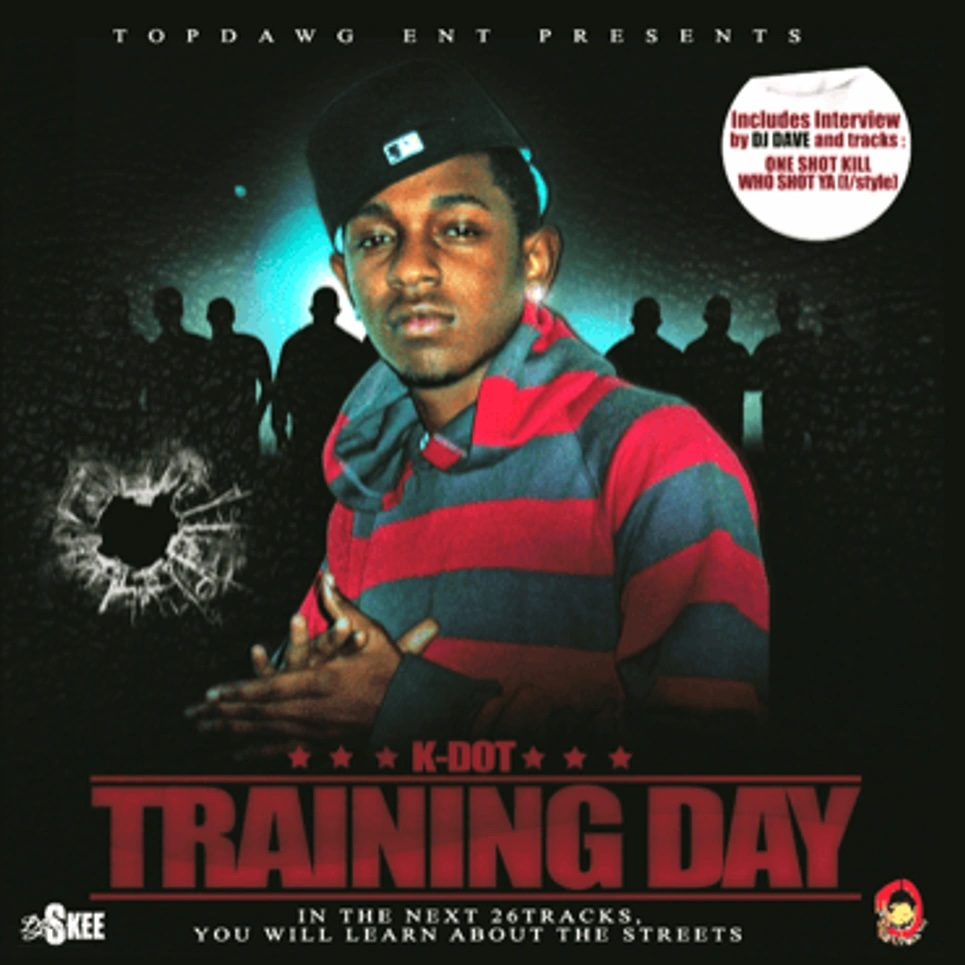
Kendrick Lamar, then known as K-Dot, confidently declared “I’m the future of the new west” on his first TDE release, but Training Day shows a promising young artist who hadn’t outgrown his influences yet. He raps exactly like Lil Wayne all over the mixtape, even chuckling at his own punchlines like Weezy, and there are only brief glimpses of the more creative vocalist and personal writer that would emerge in the years that followed. DJ Skee, credited as giving Kendrick Lamar his earliest radio airplay, produced the highlights “Blame God” and “Blow Them Horns.”
13. C4 (2009)

Many years before Lil Wayne publicly expressed disappointment at not being selected as the 2025 Super Bowl halftime show performer in New Orleans over Kendrick Lamar, Lamar idolized Wayne so much that he recorded an entire mixtape in tribute to the Cash Money rapper’s 2008 blockbuster Tha Carter III. By 2009, though, Kendrick Lamar had developed his own voice, or rather several of them. So when he attacks the instrumentals from songs like “Mr. Carter” and “Let the Beat Build,” he finds new pockets in the rhythms and rotates through a whole gallery of different tones and perspectives.
12. Hub City Threat: Minor of the Year (2004)
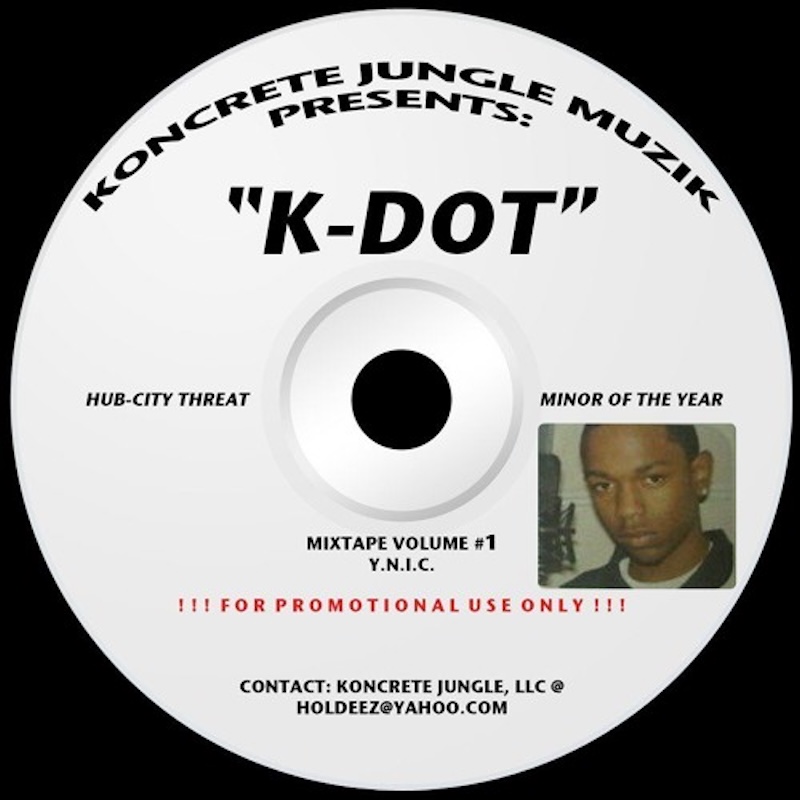
K-Dot was only 16 years old when he debuted with his only pre-TDE mixtape. And there haven’t been many teen rappers, outside of LL COOL J and Mobb Deep’s Prodigy, that were this sharp this young, even if he hadn’t yet found a stable of producers to make his original songs sound as good as his freestyles. “Hood Walk Pimp Talk” may be the worst song he’s ever released, but K-Dot’s youthful prowess with Jay-Z flows over Roc-A-Fella beats is another example of how closely he studied the greats before becoming one himself.
11. The Kendrick Lamar EP (2009)
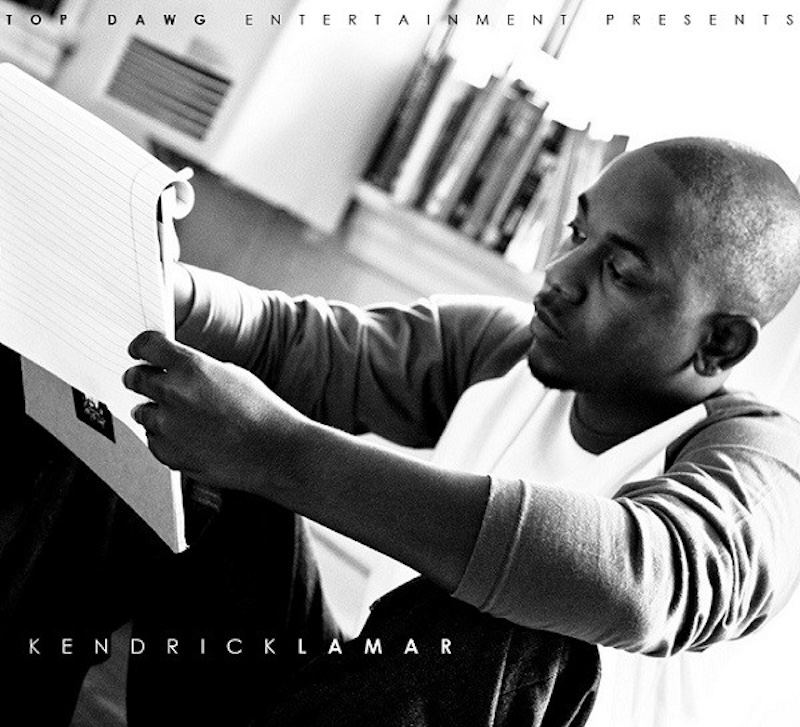
There are no hard and fast rules about the extended play format, but generally speaking, an artist’s EP is usually shorter than their albums. But sometimes up-and-coming acts make a fairly long album and call it an EP simply because it’s not what they envision their “debut album” will be at some point in the future. The Kendrick Lamar EP is packed with 14 songs in 62 minutes, and while it feels a little timid and tentative compared to his later work, it marks his arrival as a more cerebral rapper tackling weightier themes. “The strength of Kendrick’s flow is his ability to adapt and ride the beat in creative ways,” wrote Daniel Oh for Rap Reviews.
10. No Sleep ‘Til NYC with Jay Rock (2007)
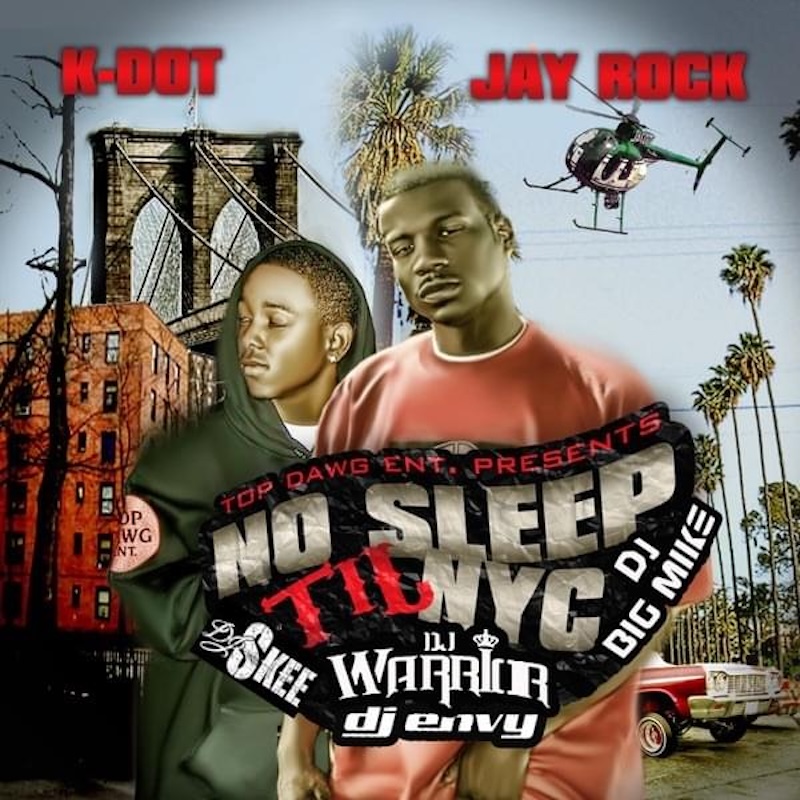
Watts rapper Johnny “Jay Rock” McKinzie Jr. was the trailblazer for Top Dawg Entertainment: the first artist signed to the label, and the first TDE act to ink a major label deal, release a charting single, and appear in XXL’s annual Freshmen issue. The artist still known as K-Dot may have been Jay Rock’s opening act on the road in 2007, but on their only joint mixtape they already sound like equals, trading bars with an easygoing chemistry, sometimes joined by new labelmate Ab-Soul. The proud Californians took a brief break from repping the West Coast on most of No Sleep Til NYC, rapping over beats from New York artists like Biggie and Nas, and it’s impressive how natural K-Dot sounded on ’80s classics by Eric B. & Rakim and Slick Rick.
9. Overly Dedicated (2010)
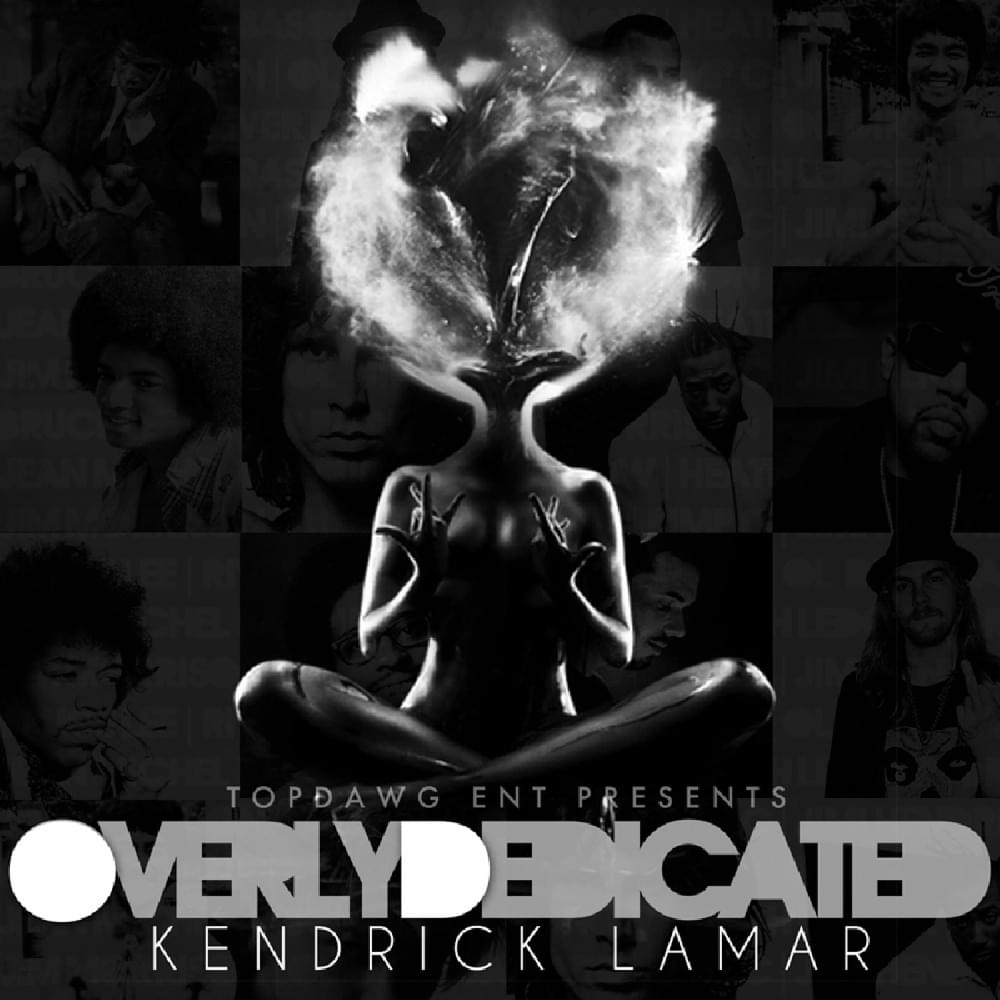
By 2010, ScHoolboy Q had signed to Top Dawg Entertainment, completing the L.A. supergroup Black Hippy. And the label’s classic era really started to flower on Overly Dedicated, which features contributions from every Black Hippy member as well as TDE’s in-house production team Digi+Phonics. The producer who would eventually become Lamar’s closest collaborator, Mark “Sounwave” Spears, hadn’t really found his sound yet, though, and contributed some of the mixtape’s weakest beats like the Lex Luger knockoff “Michael Jordan.”
8. Black Panther: The Album (2018)
Ryan Coogler’s Black Panther was one of the biggest and best films in the Marvel Cinematic Universe. And an entire soundtrack album curated by Kendrick Lamar and Anthony “Top Dawg” Tiffith was the last puzzle piece that really made Black Panther feel like the cultural event of 2018. Kendrick Lamar co-wrote every song on the soundtrack, and you can frequently hear his voice piping up with ad libs and bars even on the tracks where he’s not an officially credited artist. It’s still very much a team effort, featuring just about the whole TDE roster, superstars like The Weeknd and Future, and rising West Coast artists like Vince Staples and SOB X RBE. Lamar even brings some of his usual conceptual heft and moral ambiguity to the album, rapping from the perspective of both the hero and villain of Black Panther, T’Challa and Killmonger. “Though not as powerful as Lamar’s own albums, it’s similarly diverse, with elements of boudoir R&B, sinister street creep and ebullient electro dancehall,” Andy Gill wrote in The Independent’s review of Black Panther: The Album.
7. untitled unmastered (2016)
Throughout the promotional cycle for To Pimp a Butterfly, Lamar made the unusual move of performing multiple unreleased album outtakes on late night shows and even the Grammys. Due to popular demand, or perhaps specifically due to a tweet from LeBron James, TDE released 34 minutes of extra material from those sessions, which felt like its own distinct collection rather than bonus tracks for a deluxe edition. Some of the music on untitled unmastered was deservingly left on the cutting room floor, including iffy ideas like a recurring chant of “pimp pimp hooray,” but loose, inspired tracks with Butterfly collaborators like Thundercat and Terrace Martin make it a worthwhile detour. Like Bruce Springsteen’s Darkness on the Edge of Town companion piece The Promise, untitled unmastered helps show how deliberately the original album was sculpted into a masterpiece by revealing what had to be carved away.
6. Mr. Morale & The Big Steppers (2022)
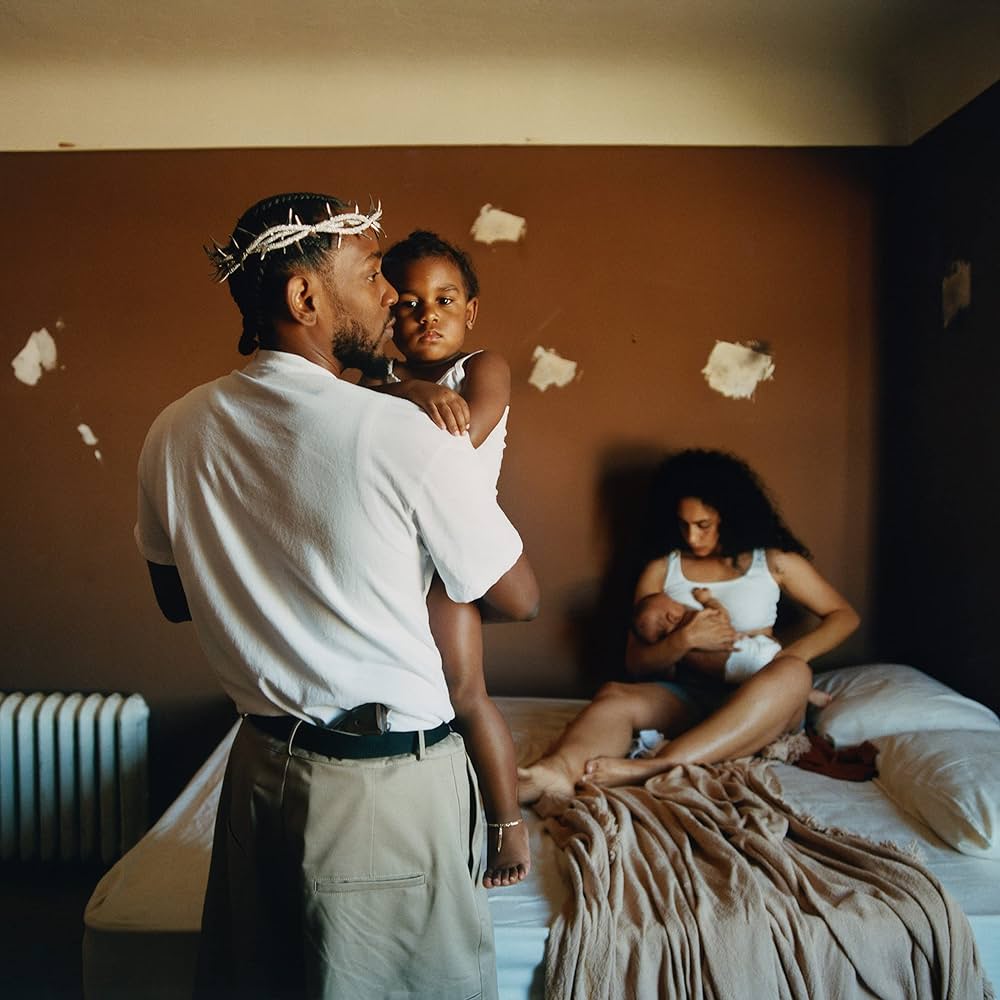
“One thousand, eight hundred and fifty five days, I’ve been goin’ through somethin’, be afraid,” Kendrick Lamar declares at the beginning of Mr. Morale & The Big Steppers, counting every day of the five years since his previous album, DAMN. After finally overcoming a struggle with writer’s block, Lamar had a lot to say, and Mr. Morale bursts at the seams with provocative songs about gender identity (“Auntie Diaries”) and child abuse (“Mother I Sober”). Sometimes it’s a difficult listen, particularly on “We Cry Together,” a battle-of-the-sexes debate acted out by Lamar and actress Taylour Paige that nearly derails the entire album. All of Lamar’s major label albums are thoughtful and complex, but Mr. Morale & The Big Steppers is the hardest one to love, or get through without skipping any tracks. None of its songs leaped out as the undeniable single that Lamar usually delivers, and nobody seemed to mind too much that he almost completely stopped performing any songs from it after releasing his next album.
5. Section.80 (2011)
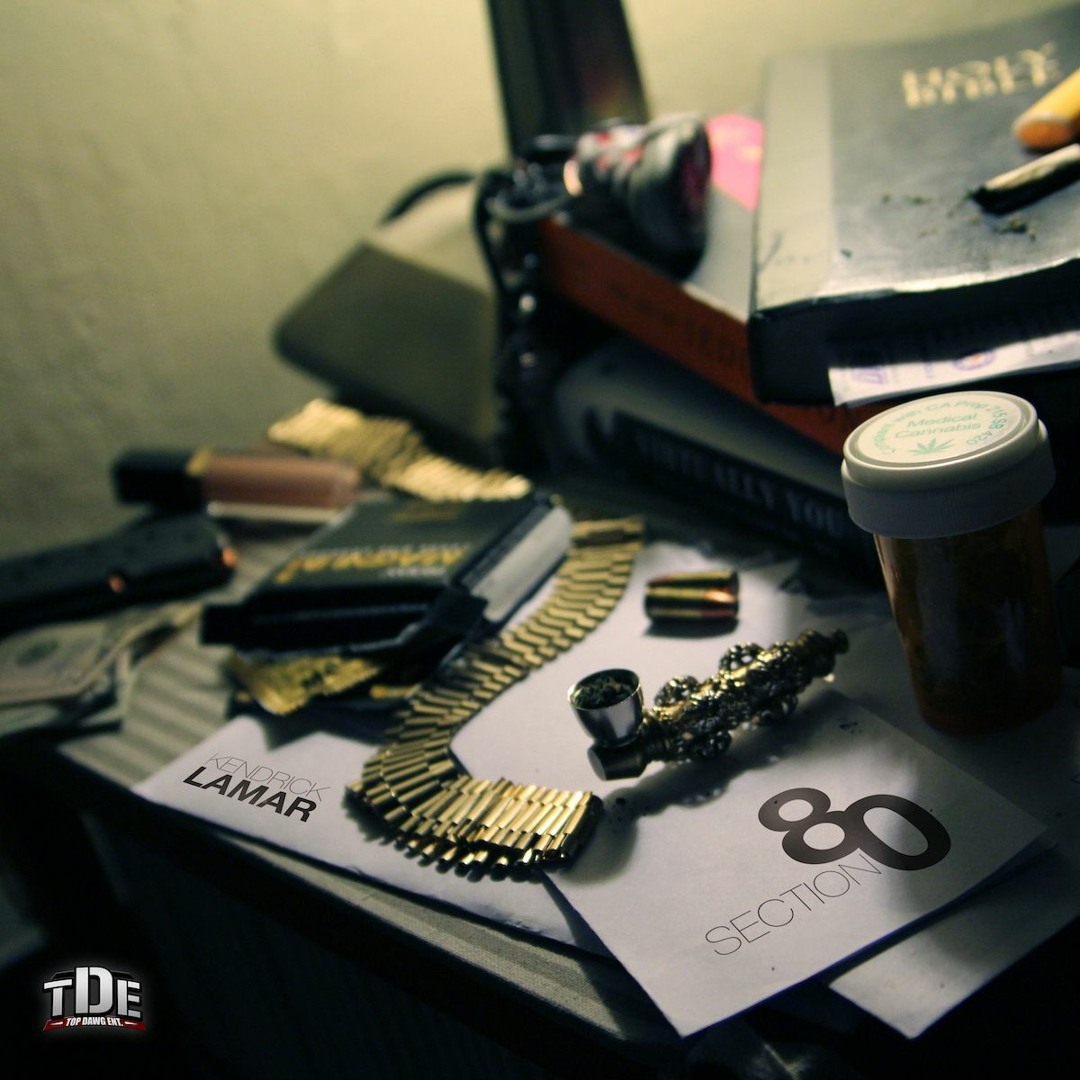
Most Kendrick Lamar fans fall into two camps—people who got to know him on his major label debut good kid, m.A.A.d city, and the early adopters who were hip to its indie predecessor Section.80 and often consider it one of his finest works. Section.80 was such a singularly impressive breakthrough album that a mere month after its release, Dr. Dre and Snoop Dogg appeared onstage with Lamar to crown him “the new king of the West Coast.” He hadn’t yet figured out how to turn his best ideas into hit singles, though, and Section.80’s most radio-friendly songs are clunky mediocrities like “No Make-Up (Her Vice).” Fortunately, there are also great songs like “A.D.H.D.,” the only Section.80 track that’s remained part of Lamar’s live repertoire in the last decade. “His rap style is fluid and melodic but approachable, and his frantic tumble of syllables evokes the feeling when you’re high enough that your thoughts arrive fast and interrupt each other,” Tom Breihan wrote in the Pitchfork review of Section.80.
4. DAMN. (2017)
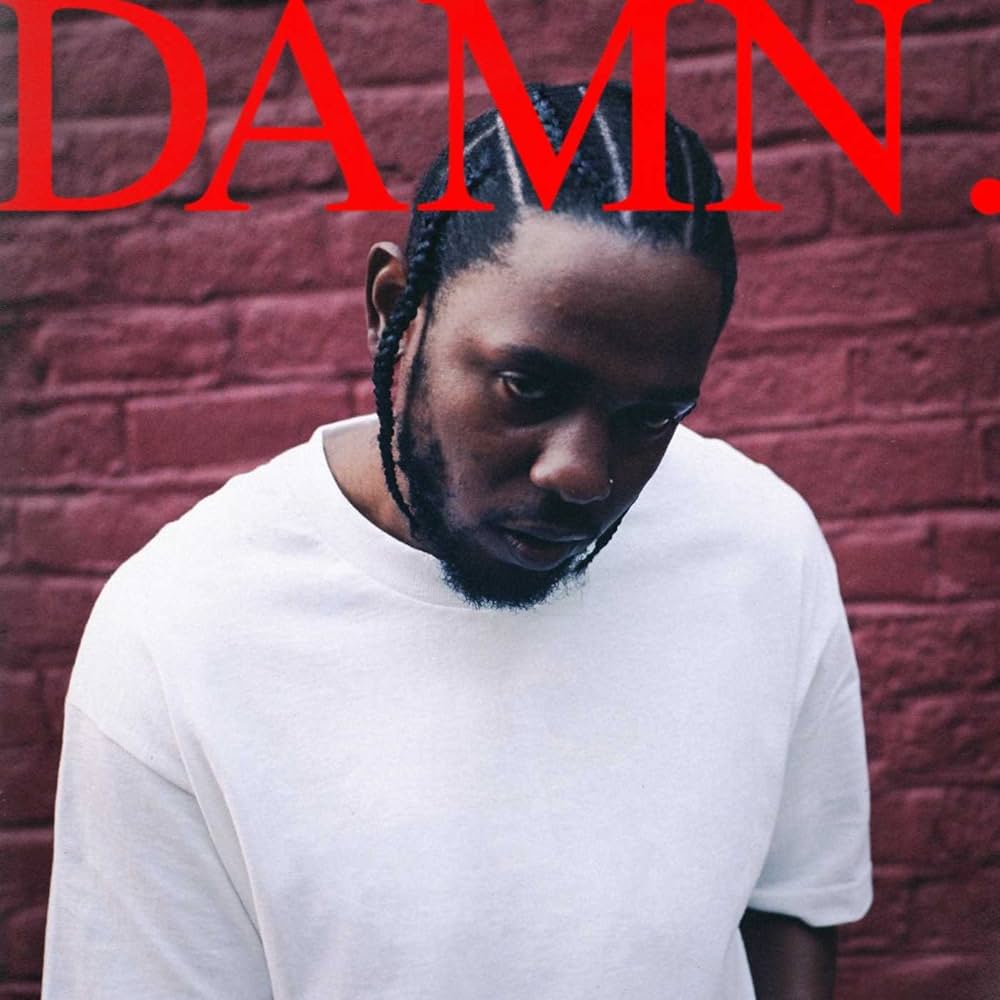
Atlanta hitmaker Mike Will Made It produced three songs for DAMN., and the chart-topping lead single “Humble” was a thumping, piano-driven trap beat he originally made for Gucci Mane. Even with surefire commercial moves like those and the Rihanna collaboration “Loyalty,” DAMN. is a dense album, with Lamar contemplating faith and fate on restless, autobiographical songs like “Pride” and “Duckworth.” It doesn’t break much new ground topically or musically, but DAMN.’s massive commercial success was a subtly powerful statement that Lamar had changed mainstream hip-hop more than it had changed him.
3. GNX (2024)
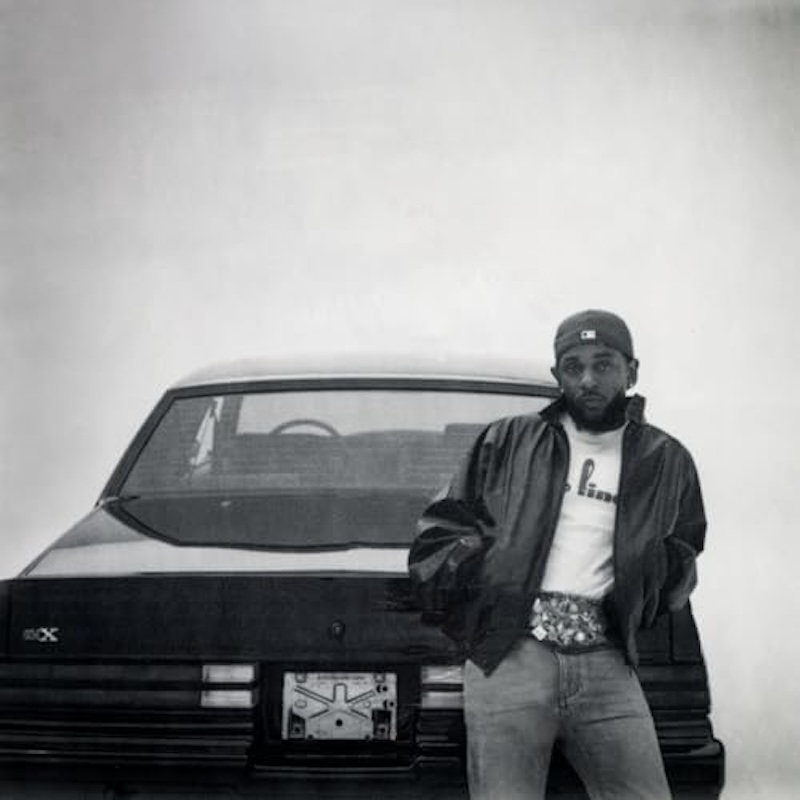
The concise 44-minute album that Lamar released a few months after triumphing over Drake with “Not Like Us” could have easily felt like a mere victory lap, or a continuation of the beef. Instead, GNX was a vital addition to Lamar’s hallowed catalog, his most overtly West Coast-sounding album to date, with DJ Mustard beats, several guest spots from rising California emcees like AzChike and Lefty Gunplay, and a 2Pac sample on the fiery “Reincarnated.” Tender tracks like the reflective “Heart Pt. 6” and the massively popular SZA collaboration “Luther” give the album variety and depth, but GNX is the trunk-rattling collection of street anthems that a rapper of Lamar’s stature deserves to have.
2. Good Kid, M.A.A.D City (2012)
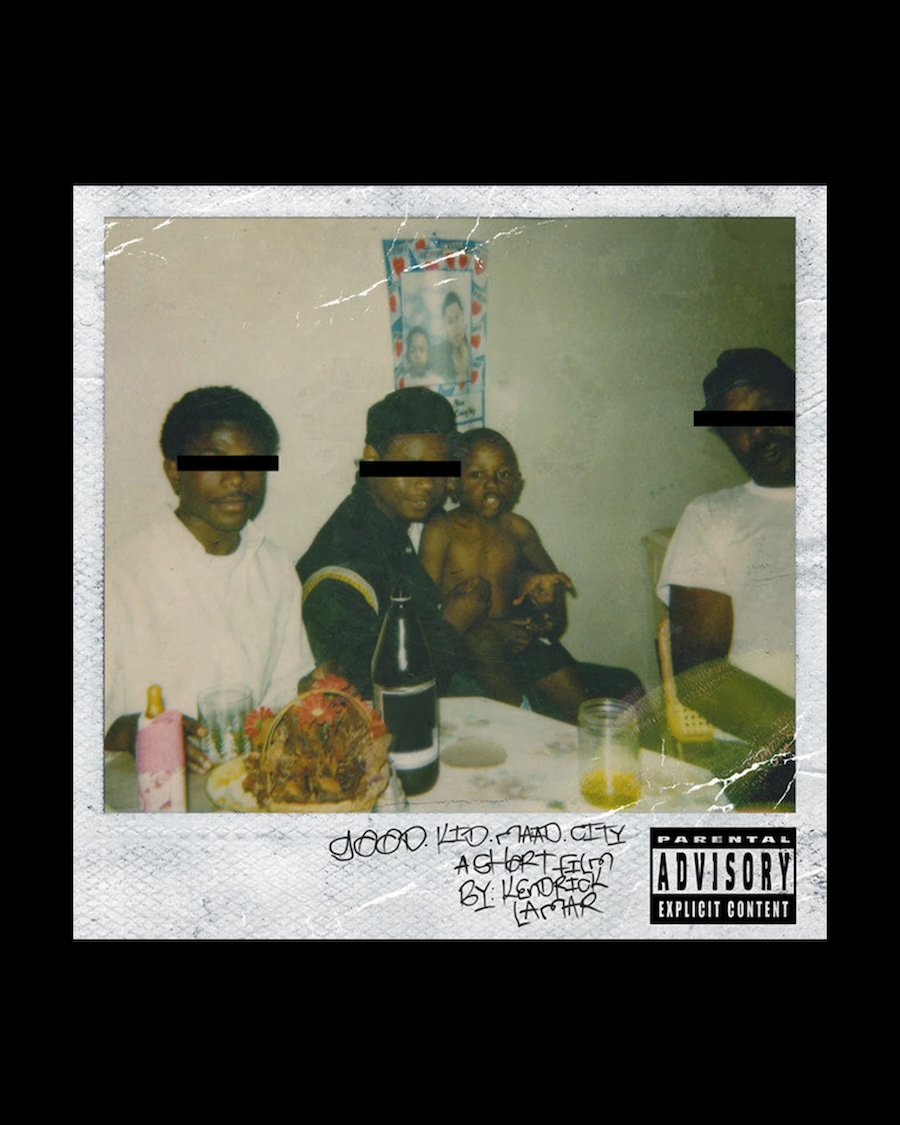
Becoming the emcee’s’s emcee that hip-hop heads regard as the future of the genre can be create career expectations that seem almost impossible to live up to, and rappers like Lupe Fiasco, Saigon, and Jay Electronica had navigated that minefield with varying levels of success. With his major label debut, though, Kendrick Lamar managed the unlikely feat of becoming a household name with a subtle and ambitious album that included the harrowing 12-minute epic “Sing About Me, I’m Dying of Thirst.” With audio vérité interludes that thread a narrative through its songs, Good Kid, M.A.A.D City is a loving but unvarnished look at growing up in Compton, one that builds on guest and executive producer Dr. Dre’s legacy of popularizing gangsta rap while presenting the voice of a new generation and envelope-pushing sounds from young producers like Hit-Boy and DJ Dahi. “Lamar has crafted an appropriately jittery epic about the endless stress of growing up in Compton. His internal dialogues splatter across multiple musical movements as peer pressure suffocates and gangs wage war and lovers quarrel and alcohol intoxicates and friends die and mothers nag,” Andrew Nosnitsky wrote in the SPIN review of Good Kid, M.A.A.D City.
1. To Pimp a Butterfly (2015)
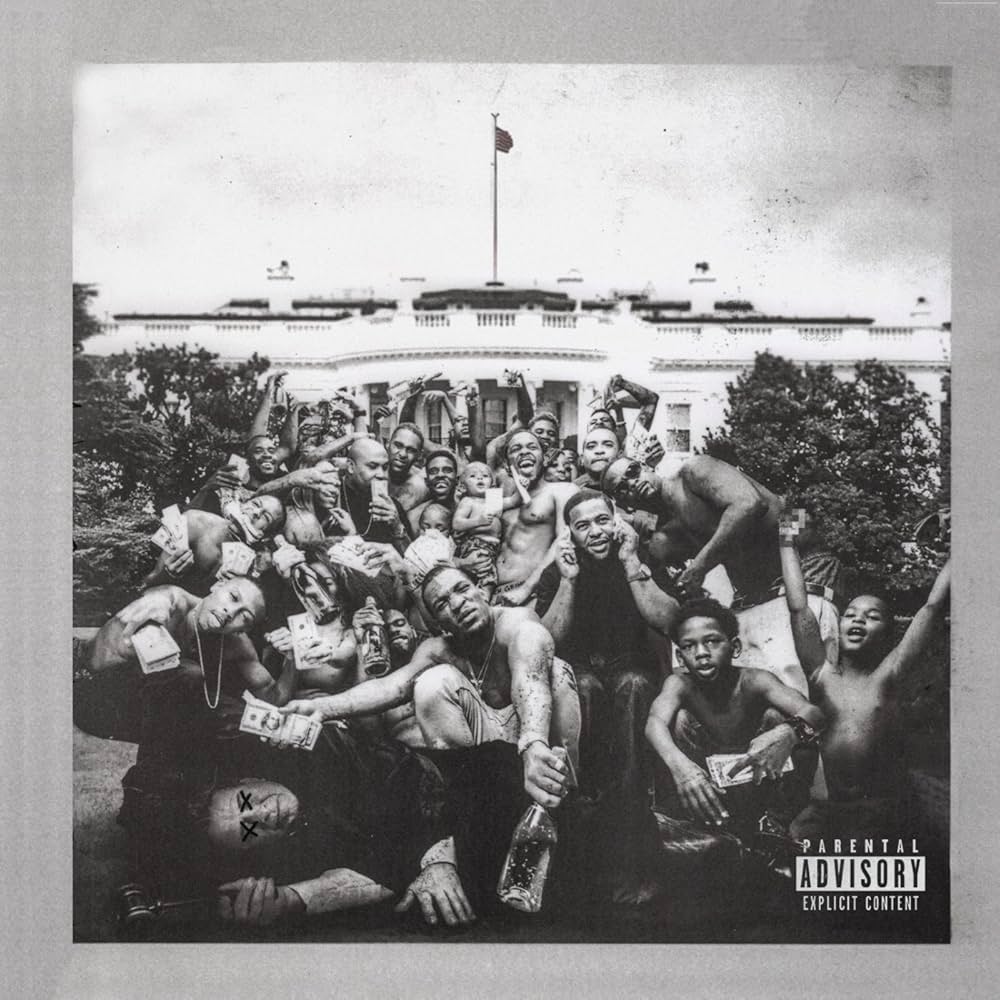
The first album an artist releases after becoming commercially successful is arguably the biggest test of who they really are or want to be, and Kendrick Lamar followed Good Kid, M.A.A.Dd City with an album that was even more purposeful and iconoclastic. I’ll never forget hearing a DJ drop “Alright” in a Baltimore nightclub at the height of protests over the murder of Freddie Gray by police, even before the song became the album’s most enduring single and arguably the definitive Kendrick Lamar song. And I’ll definitely never forget being one of the lucky few to witness the live debut of several To Pimp a Butterfly songs at the Kennedy Center, or learning years later that it’s also my teenage son’s favorite Kendrick Lamar album. With a supporting cast that included saxophonist Kamasi Washington, electronic producer Flying Lotus, and legends like George Clinton and Ronald Isley, Kendrick Lamar infused To Pimp a Butterfly with jazz, funk, and soul while taking inventory of his life and race in America on some of the most fearless verses of his career. His reach sometimes exceeds his grasp—the last verse of “The Blacker the Berry” suggests that he wasn’t entirely on the same page with the Black Lives Matter movement—but it’s such a bold album that its thorny imperfections and moments of brilliance all seem to fit together.

