

Janet Damita Jo Jackson was the youngest of Joe and Katherine Jackson’s 10 children, and her older brothers had already begun to perform as The Jackson 5 by the time she was born in 1966. As the Gary, Indiana, siblings became America’s favorite family band, Janet started to get a taste of the spotlight at just seven years old, performing alongside her brothers in their Las Vegas revue and then their CBS variety show.
By the ’80s, the Jackson family was a cottage industry unto itself. Michael Jackson’s solo career was the hottest product, while baby sister Janet acted in TV sitcoms like “Good Times,” and made two albums as a teenager that rolled off the assembly line without making much of an impression on the listening public. But Janet Jackson found her voice on 1986’s Control, uniting with Jimmy Jam and Terry Lewis of the Minneapolis funk band The Time to form a creative team that would launch her to superstardom.
With the five multiplatinum albums Janet Jackson released from 1986 to 2001, she stood shoulder to shoulder with era-defining icons like Madonna, Prince, Whitney Houston, and her brother Michael. The famous “wardrobe malfunction” during Janet Jackson’s 2004 performance with Justin Timberlake at the Super Bowl XXVIII halftime show was a massive controversy that sent shockwaves through the entertainment industry. Viacom retaliated against Jackson (but not Timberlake), hobbling the commercial performance of her next few albums with minimal radio and video channel airplay. Jackson eventually weathered that storm, though, releasing her 11th album Unbreakable in 2015, embarking on several more successful world tours, and getting inducted into the Rock and Roll Hall of Fame in 2019.
The album that changed everything for Janet Jackson and the MTV generation, Control, was released on February 4, 1986. As we approach that classic’s 40th anniversary, anniversary, SPIN takes a look at where it ranks in her entire catalog.
11. Dream Street (1984)
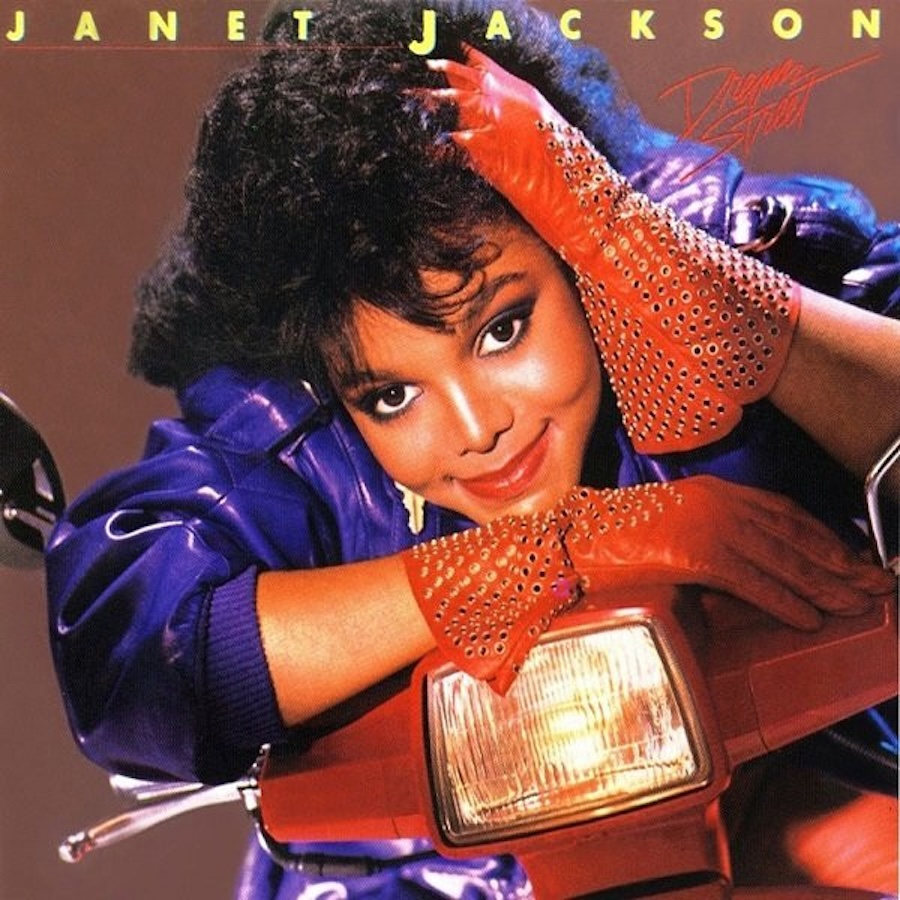
Janet Jackson’s second album was handily outsold by most of the mid-’80s albums from her siblings, including Jermaine and Rebbie Jackson. Michael Jackson casts a long shadow over Dream Street, even singing backup on the album’s minor hit “Don’t Stand Another Chance,” but the “Wanna Be Startin’ Somethin’” knockoff “All My Love to You” just doesn’t have any residual Thriller magic to it. Giorgio Moroder, a few years removed from his groundbreaking work with Donna Summer, contributes cheesy, glossy tracks like “Two to the Power of Love,” a baffling duet between the teenager and 40-something British rock icon Cliff Richard. The Time guitarist Jesse Johnson wrote and produced the funky standouts “Pretty Boy” and “Fast Girls,” foreshadowing the success Janet Jackson would soon have with some of Johnson’s bandmates.
10. Discipline (2008)
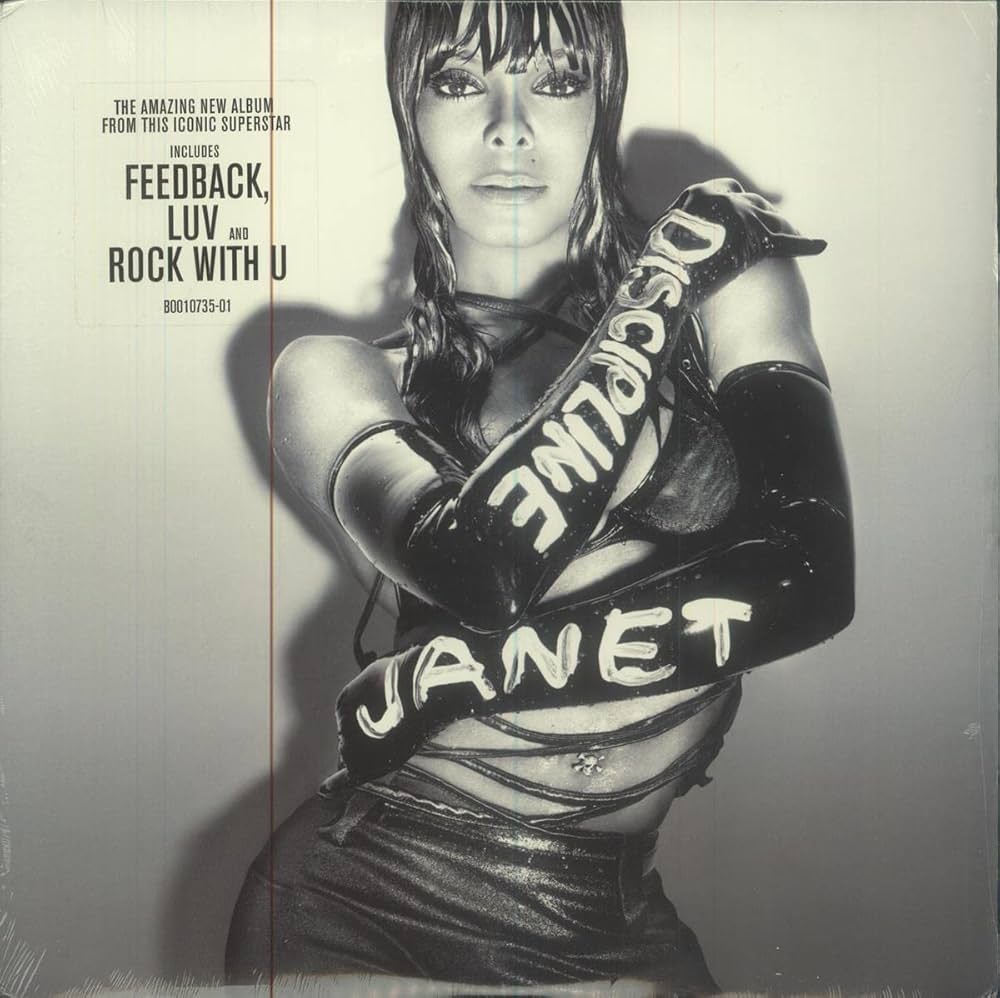
In 2008, Janet Jackson signed to Island Def Jam, where her then-boyfriend, Atlanta hip-hop mogul Jermaine Dupri, was a high-ranking executive. Discipline was her first album since Dream Street without any contributions from Jam and Lewis’s Flyte Tyme Productions, and even Jackson herself was less involved in the creative process than usual, only co-writing one song. Dupri assembled an impressive team of hitmakers for Discipline that included Rodney Jerkins, Stargate, The-Dream, and Ne-Yo. Unfortunately, it feels like all those professionals struggled mightily to create songs that suited Jackson’s voice and perspective. “Can’t B Good” and “Luv” were state-of-the-art 2008 R&B, but any number of other artists could have recorded them, and uptempo dance tracks like “Feedback” felt strained and labored. “Jackson’s nearly anonymous vocals lack the self-possession and joy that made hits such as ‘Control’ and ‘Together Again’ indelible,” Ann Powers wrote in the Los Angeles Times review of Discipline.
9. 20 Y.O. (2006)
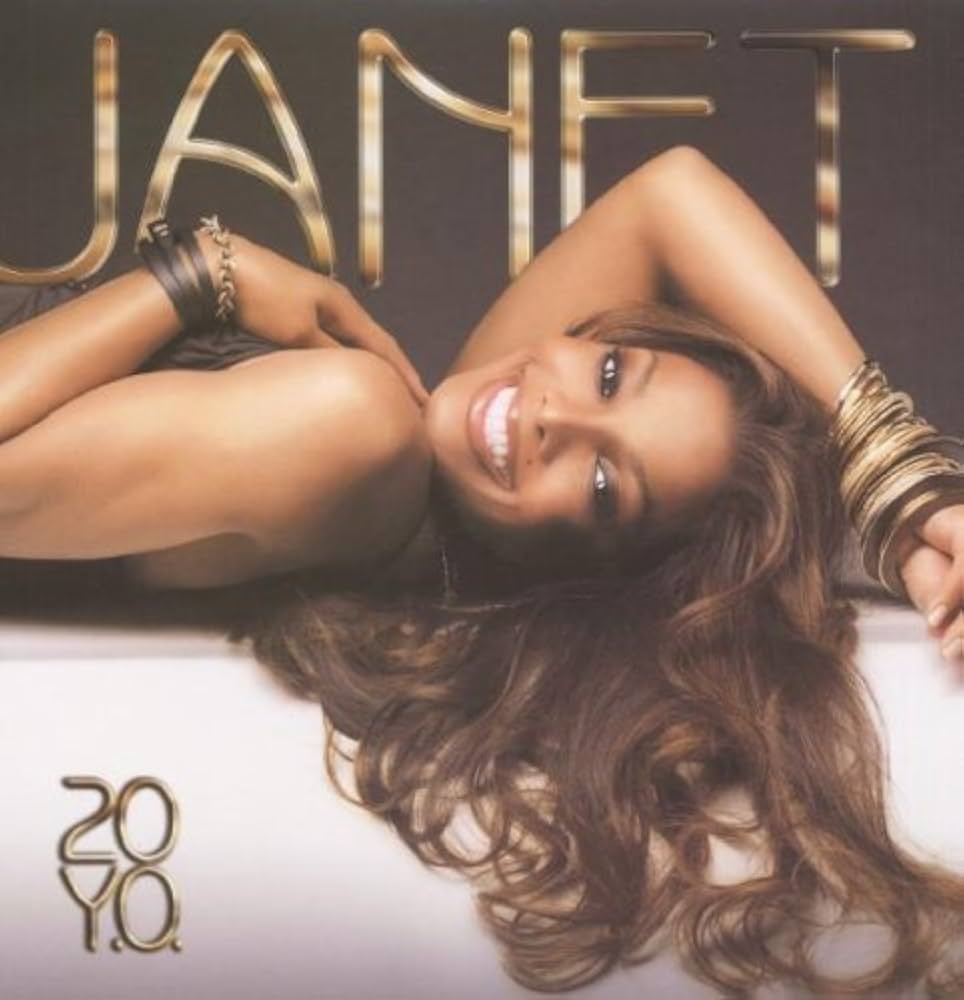
Jackson, Jam, and Lewis co-produced every track on 20 Y.O., an album that celebrated the porcelain anniversary of their first collaboration on Control. But Dupri, fresh off producing blockbuster albums for Usher and Mariah Carey, contributes heavily to the first half of the album, including all three of its singles, a test of his Midas touch. The album squeaked out a Top 40 hit with the Nelly duet “Call on Me,” and there are some excellent slow jams like the closer “Love 2 Love,” but 20 Y.O. feels a little muddled in its relentless pursuit of a commercial comeback.
8. Damita Jo (2004)
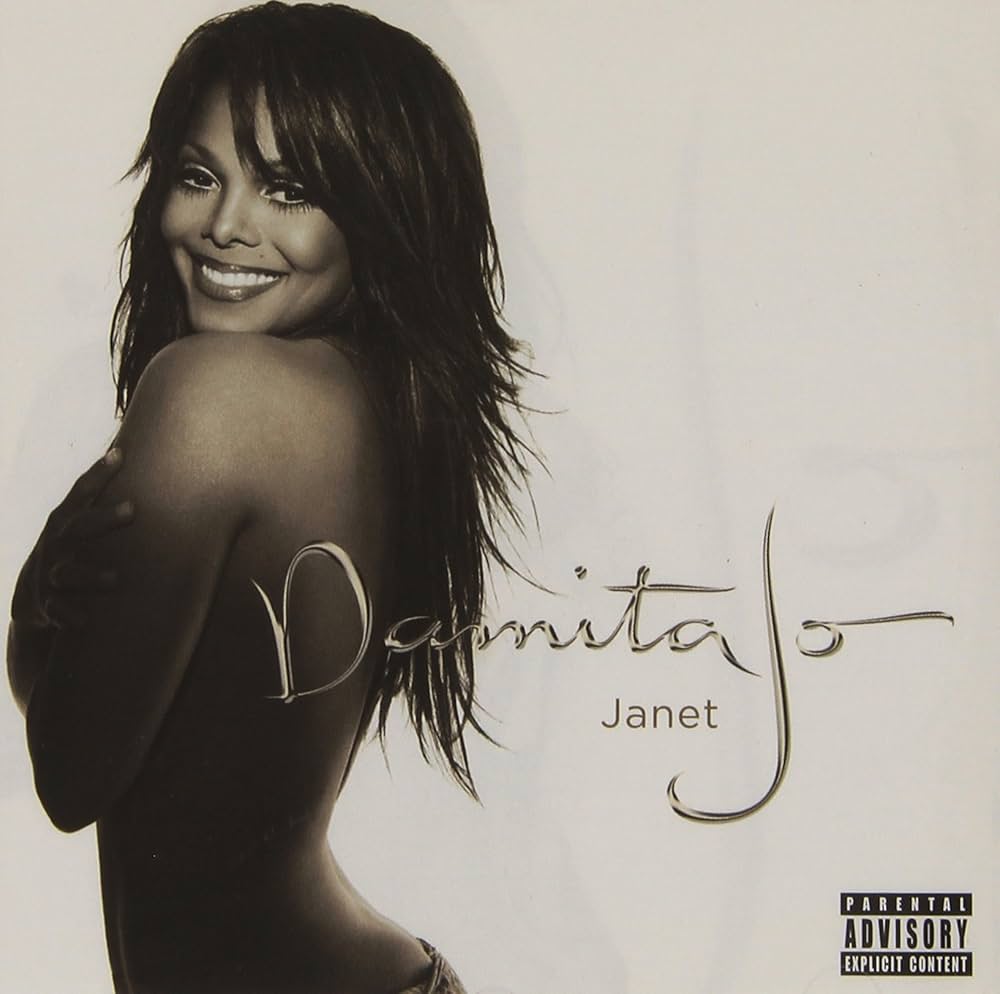
Damita Jo was released just seven weeks after Jackson’s ill-fated Super Bowl halftime performance, and it’s impossible to separate the album from the controversy, and how it impacted Jackson’s ability to promote her music. It’s a perfectly good album that deserved better. But it’s also hard to imagine Damito Jo ever being as successful as 2001’s All For You, with clunky singles like the blandly sunny “Just a Little While” and the trendy Kanye West-produced soul loops of “I Want You.” You just have to dig deeper to find Damita Jo’s more understated pleasures in “Like You Don’t Love Me” and “R&B Junkie.”
7. Unbreakable (2015)
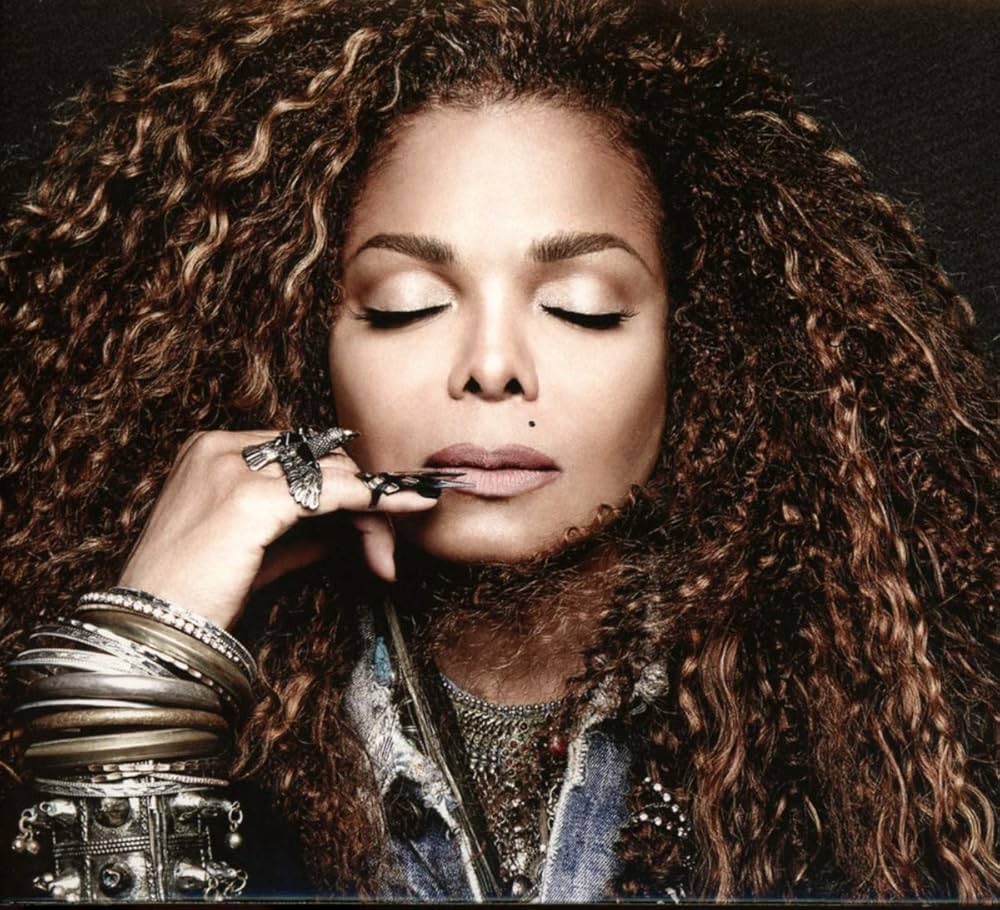
Seven years after Discipline, Jackson finally seemed to shake off her post-Super Bowl career woes, sounding relaxed and rejuvenated on Unbreakable. With lush harmonies and some of Flyte Tyme’s most eclectic and adventurous production since 1997’s The Velvet Rope, Unbreakable is a confident and mature R&B album with occasional shots of adrenalin like the Missy Elliott-assisted “Burnitup!” and the Motown throwback “Gon’ B Alright.” It felt like a new beginning for Jackson, but in the 11 years since, she’s focused on performing her old hits, with four world tours, two Vegas residencies, and no new albums. “The best thing about Unbreakable is that it proves Janet can still surprise us. Who would’ve ever envisioned her slipping on a pair of boots and cowboy-cut Wranglers to sing ‘Lessons Learned,’ a country-tinged ballad about co-dependency?” wrote Rebecca Haithcoat in the SPIN review of Unbreakable.
6. Janet Jackson (1982)
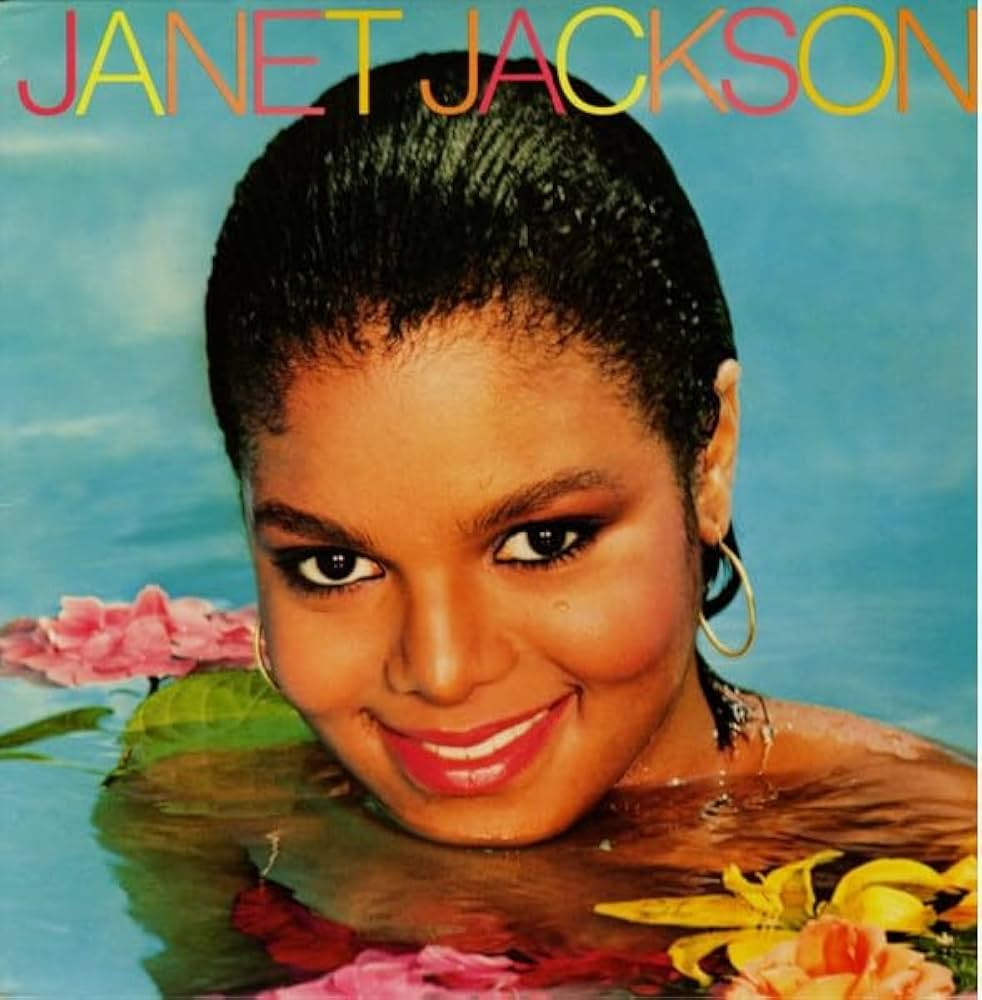
The debut album Janet Jackson recorded at 16 years old is a gem of the early ’80s post-disco style of R&B that crate-digging connoisseurs now classify as the “boogie” genre. René Moore and Angela Winbush, then in the early days of their string of hits as René & Angela, wrote and produced most of the album, and Jackson’s sweet vocal melodies float over insistent grooves like “The Magic is Working” and “Young Love.” Moore’s bubbling Moog basslines sound fresh and unexpected beneath horn arrangements by Jerry Hey and string arrangements by Ben Wright, both of whom also worked on Michael Jackson’s Off the Wall. Janet’s biggest chart hit, a driving pop/rock track with a guitar solo called “Come Give Your Love to Me,” is an outlier on an album that remains underrated even among Jackson’s diehard fans.
5. All For You (2001)
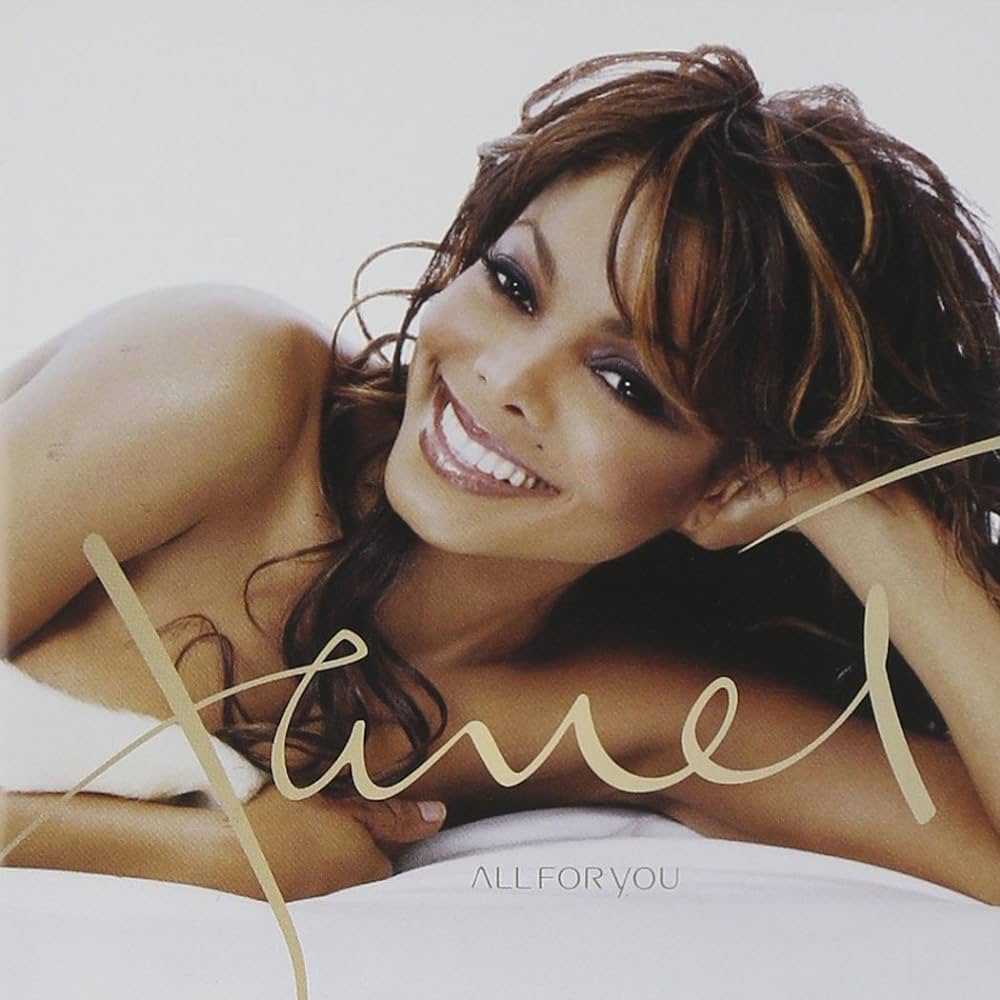
There’s a strong argument to be made that the teen starlets and boy bands that dominated the charts at the turn of the millennium were more influenced by Janet Jackson than any of her ’80s superstar contemporaries. Perhaps that’s why All For You’s singles, including the brilliantly intricate Nutty Professor II soundtrack hit “Doesn’t Really Matter,” fit so comfortably between Britney and Backstreet videos on the “TRL” countdown. Even as her audience was skewing younger, though, Jackson was sampling ’70s AM gold hits by America and Carly Simon, and continuing to push the envelope with the suggestive lyrics of her slower, sexier songs. In fact, the orgasmic “Would You Mind” was omitted entirely from the clean version of All For You, although it was a centerpiece of her stage show that continues to inspire memes today.
4. janet. (1993)
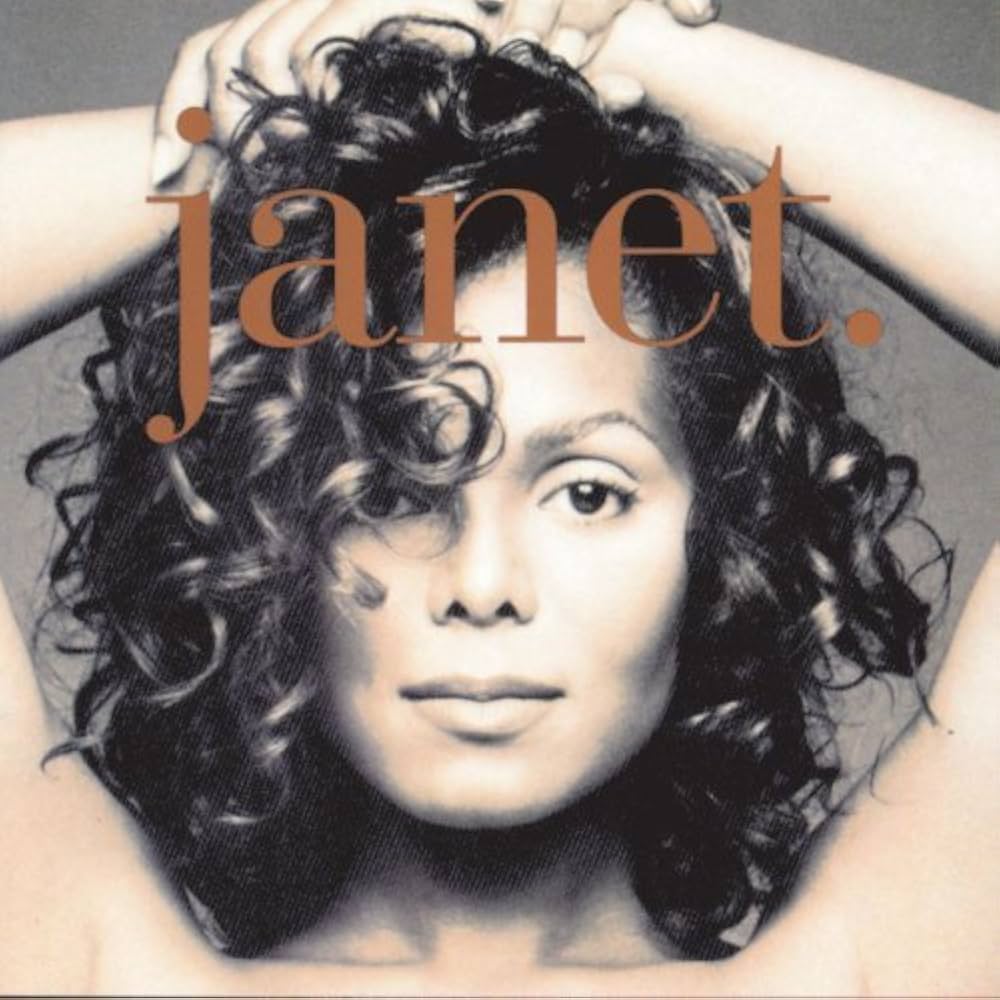
Janet Jackson was just reaching her hitmaking peak when she completed her A&M contract, and a bidding war resulted in Jackson signing with Virgin Records for somewhere around $40 million, the biggest recording contract in history at the time. With steamy singles like “That’s the Way Love Goes” and “Any Time, Any Place,” an iconic topless Rolling Stone cover, and her debut film vehicle Poetic Justice, Janet Jackson asserted herself as one of the defining sex symbols of the 1990s. But thanks to tracks like the Chuck D-assisted “New Agenda” and the retro swing of “Funky Big Band,” janet. didn’t entirely turn away from the musically omnivorous and socially conscious outlook of 1989’s Rhythm Nation 1814.
3. The Velvet Rope (1997)
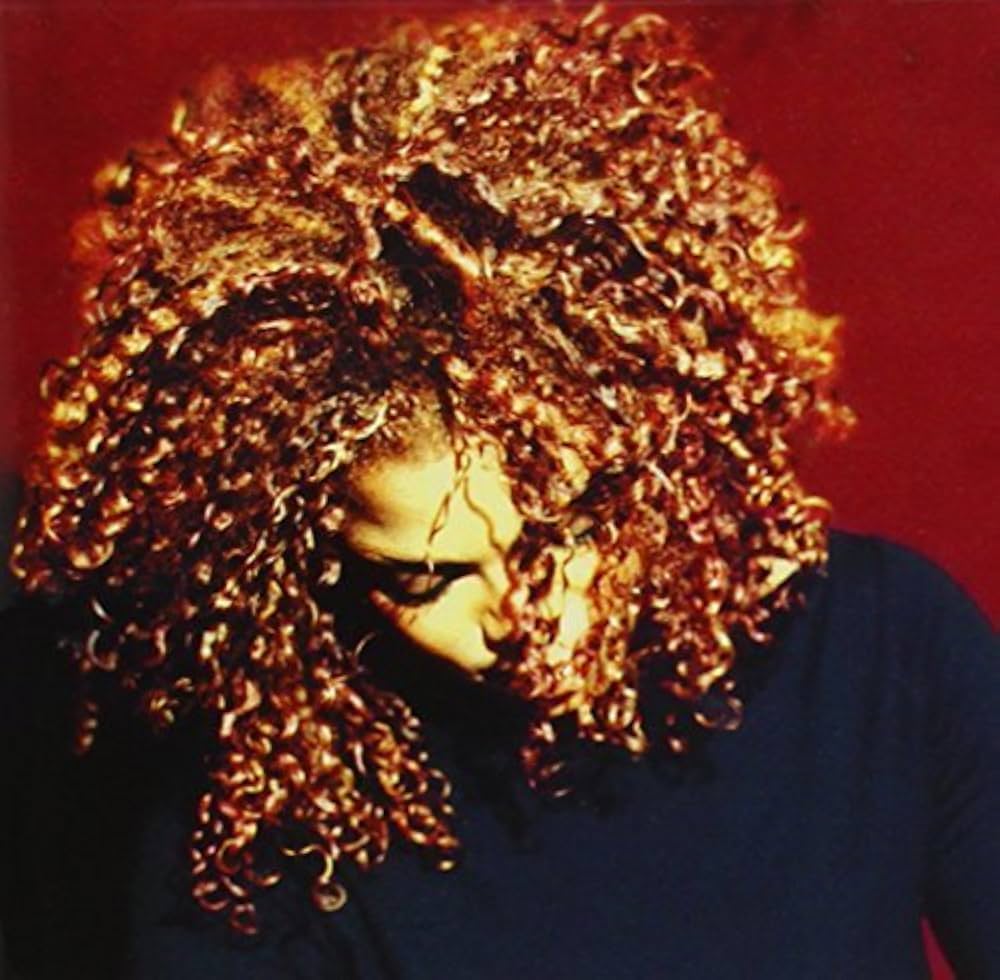
Jackson renewed her deal with Virgin with an even more lucrative contract in 1996, but her next album was the riskiest and most introspective work of her career. The Velvet Rope’s lyrics dealt with depression, domestic violence, homophobia, and BDSM, while the music flirted with trip hop, underground rap, and electronica. Even the album’s club-ready No. 1 single, “Together Again,” is Jackson’s heartfelt tribute to a friend who died of AIDS, while a cover of Rod Stewart’s classic rock hit “Tonight’s the Night” included a bisexual embellishment to the lyric. It’s hard to imagine some of the more daring creative pivots from subsequent generations of superstars, like Beyoncé’s 2013 self-titled album, without The Velvet Rope’s precedent. “Rather than stress the nudge-wink naughtiness of the lyrics, Jackson would rather sing about sex as if it were simply a fact of life. That’s not to say she’s dispassionate about the subject; her throaty purr on ‘Rope Burn’ makes it easy to understand the pull of bondage,” J.D. Considine wrote in the Entertainment Weekly review of The Velvet Rope.
2. Control (1986)
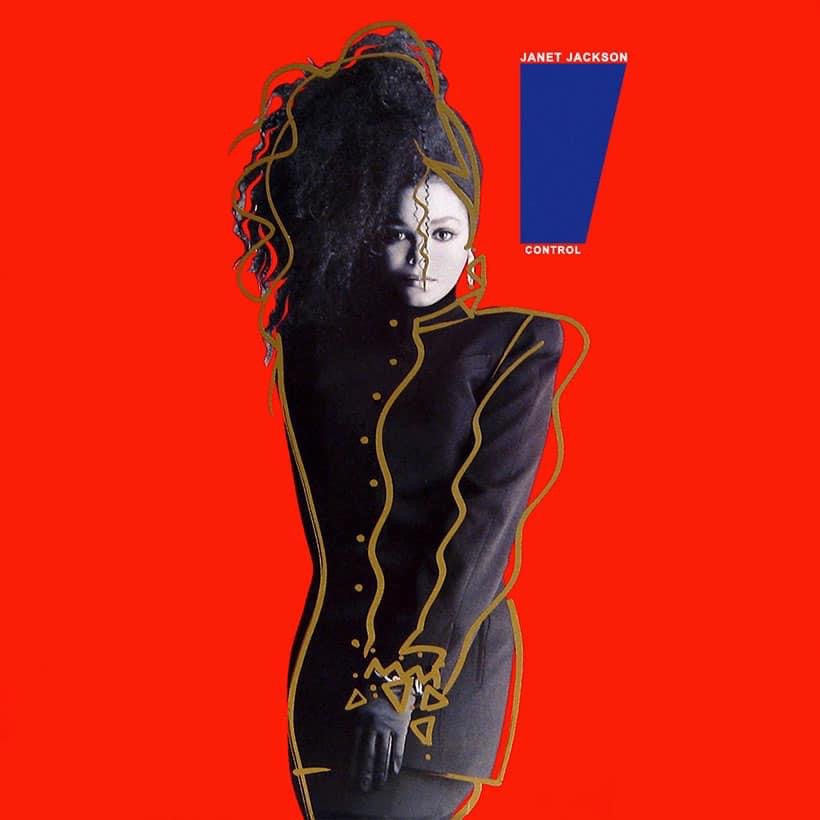
“When I was 17, I did what people told me / I did what my father said, and let my mother mold me / But that was long ago, I’m in control.” After letting her famous family guide her music for two albums with little to show for it, Janet seized the reins of her career and went to Minneapolis to make an album with Jimmy Jam and Terry Lewis, away from the watchful gaze of Joe. Jam and Lewis had already declared their independence from a domineering figure in their own way, getting fired by Prince from The Time when they prioritized producing for groups like the S.O.S. Band and Klymaxx. Within a few years, Jam and Lewis would produce more No. 1 singles than their boss, most of them with their young collaborator. And between the sweet “When I Think of You,” the sneering “Nasty,” and the earnestly vulnerable “Let’s Wait Awhile,” Janet Jackson finally had an identity beyond her last name, and massive hooks to send her into the upper echelons of pop stardom.
1. Janet Jackson’s Rhythm Nation 1814 (1989)
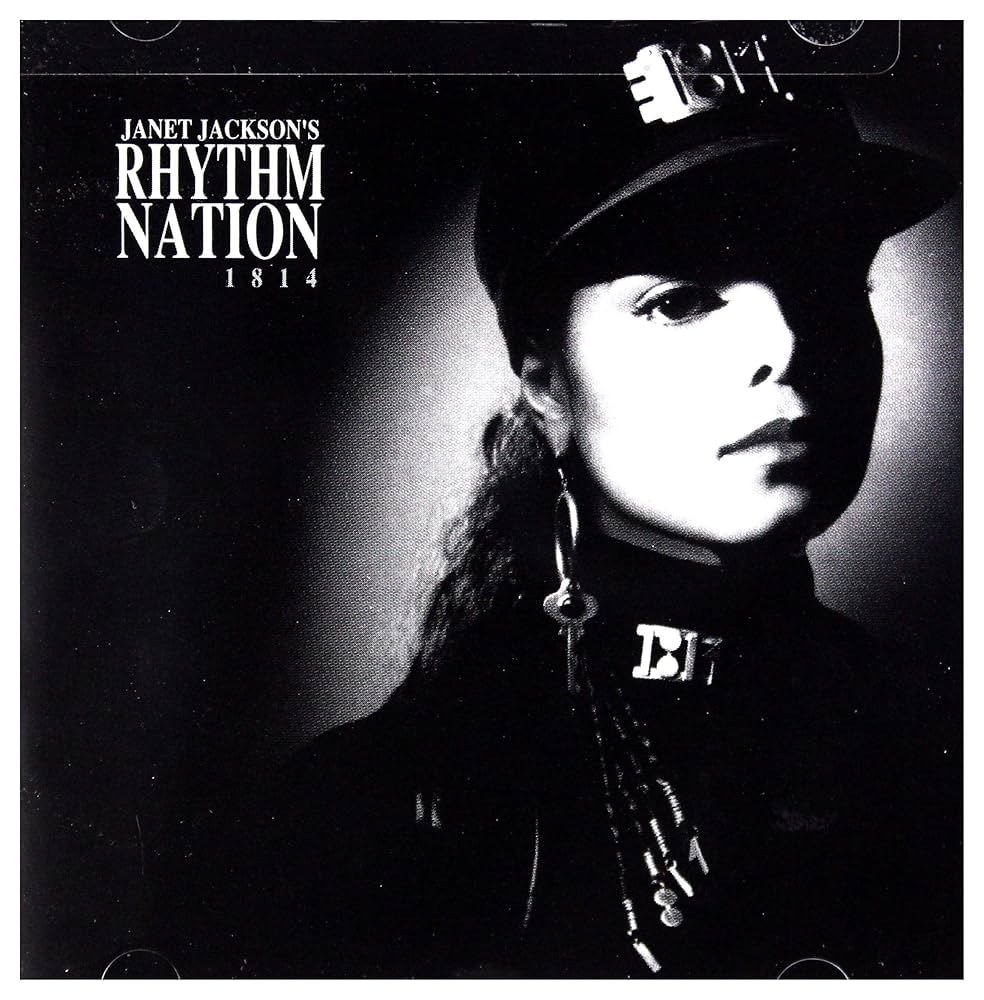
Concept albums weren’t particularly popular in the late ’80s as major labels built LPs into efficient delivery systems for singles and videos. But Jackson, watching the daily march of grim headlines on CNN, embraced heavy social and political themes on Rhythm Nation 1814, while Jam and Lewis took cues from hip-hop’s vanguard, building densely layered and aggressive tracks on breakbeats from old James Brown and Sly Stone productions. Control had become a successful blueprint for several other singers, including Jackson’s own choreographer Paula Abdul. But with Rhythm Nation, Jackson created something more singular and harder to replicate, even taking the hard rock of “Black Cat” to the top of the Hot 100 alongside industrial strength bubblegum like “Miss You Much” and “Love Will Never Do (Without You).

