

Following January’s rumors that Dua Lipa is negotiating to write and perform the theme song for Amazon-MGM’s “Bond, James Bond” franchise reboot—with her longtime partner Callum Turner taking the titular role—a cinematic truth is asserting itself: The best Bond songs are by women artists.
Sure, a musky Tom Jones put the “balls” in “Thunderball.” Duran Duran kept its new wave gloss shiny and its powder dry for “A View to a Kill.” Paul McCartney and Wings played fast, loose, and loud with “Live and Let Die,” the first-ever Bond theme to be nominated for an Academy Award for Best Original Song.
But one of pop’s most desirable gigs, alongside the Super Bowl halftime show, has long been the province of female vocalists who have consistently upped the theatricality of Bond’s already imposing musical grandeur set by film’s ultimate spy track, composer John Barry’s “007: James Bond Theme.”
But why? Beyond the natural luster and epic drama provided by artists like Shirley Bassey (who holds the record with three Bond themes) or a haunting Billie Eilish, the 007 franchise’s filmmakers have much to answer for regarding the rampant misogyny in every Bond film. Starting with a smug Sean Connery in 1962’s Dr. No, objectified women have had their posteriors slapped, been saddled with porny double-entendre names (Pussy Galore? Xenia Onatopp? Holly Goodhead?!), killed off tragically after marrying the spy who loved them, or dipped in oil and gold paint—dead before their second scenes with Bond could unfold.
Giving women vocalists and composers the upper hand, then, in the musical affairs of James Bond, is only fair play. Here is a list, by date, of James Bond’s stinging, singing women who nobly tackled the famous opening credits theme music with their own signature sound wrapped within 007’s sonic legend.
Shirley Bassey, “Goldfinger” (from 1964’s Goldfinger)
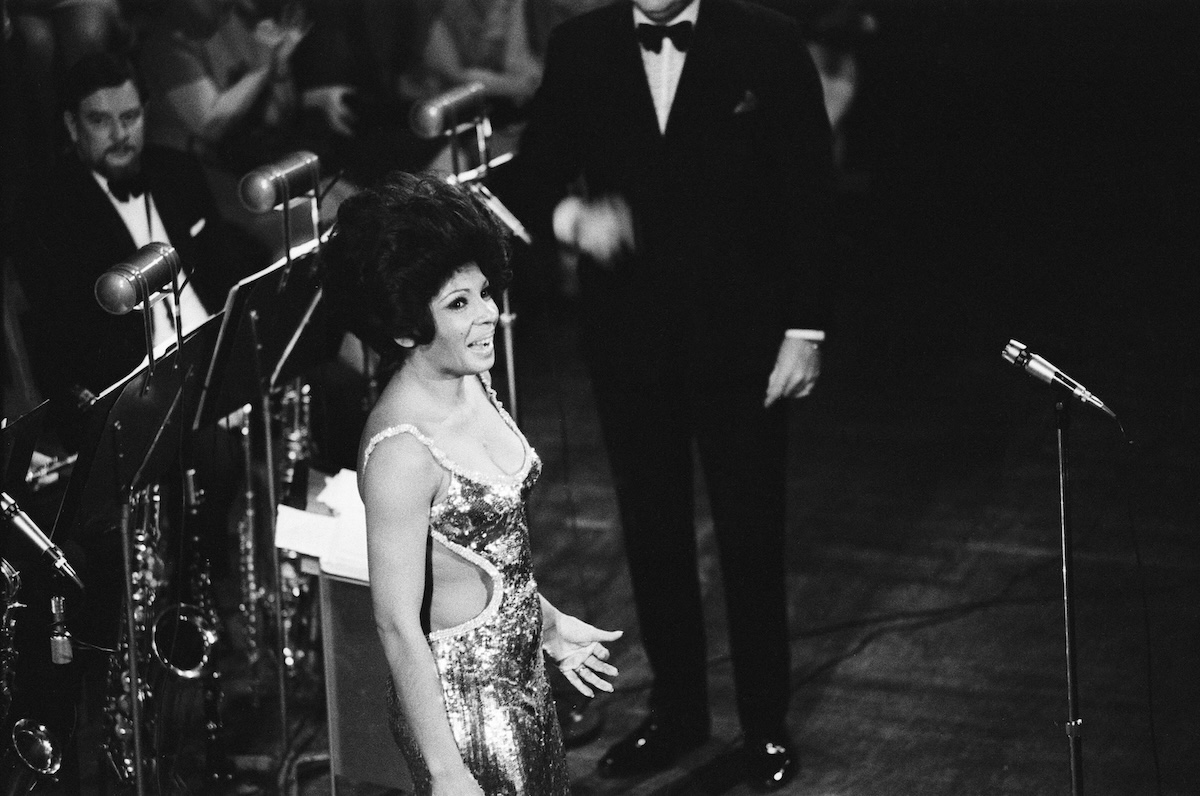
The weight of one of pop music’s most recognizable musical motifs certainly aids in the execution of composer John Barry’s paean to foreign intrigue, written with lyricists Anthony Newley and Leslie Bricusse. However, it is jazzy, sassy Shirley Bassey’s big belted-out notes, breathy wide vibrato, and her punctuation of the word “Goahldfinngahh” that puts this theme song over the top, literally and figuratively. For a film franchise only three flicks in by this point, the theme song bar was quickly raised to near-impossible heights for everyone who made film music their business.
Nancy Sinatra, “You Only Live Twice” (from 1967’s You Only Live Twice)
After 1965’s kinky psych-pop smash “These Boots are Made for Walkin,” the world was Nancy Sinatra’s oyster, extending beyond the Rat Packing universe of father Frank. Still, it was her old man who initially got offered this song by Bond’s producer Albert “Cubby” Broccoli (songwriter Barry wanted Aretha Franklin), only to have Ol’ Blue Eyes suggest that his daughter take the lead. The melody is one of Barry’s most haunting refrains and Nancy does an impressive job capturing its ache, especially on Sinatra’s 7-inch single version produced by Lee Hazlewood. But, for the sake of electro-cabaret cool, find Soft Cell’s 1983 version of “Twice.” Marc Almond’s arching croon will break your heart.
Shirley Bassey, “Diamonds are Forever” (from 1971’s Diamonds are Forever)
My favorite of James Bond film series’ opening songs features Bassey’s voice belting louder and broader than ever by the grand finale of John Barry’s composition, yet finding far more shadows to hide in for some genuinely nuanced, even quiet takes on Don Black’s pointed lyrics. For Bassey and Black, diamonds—unlike men—linger longer and sparkle forever. “Men are mere mortals who are not worth going to your grave for,” is a lesson for all.
Lulu, “The Man with the Golden Gun” (from 1974’s The Man with the Golden Gun)
Lulu was once the quintessential English songbird behind one of the most poignant, essential theme songs dedicated to Swinging London, 1967’s “To Sir, with Love.” Here, however, she gets all flinty-toned in tune with Barry and Bond’s brassiest moment, filled with the most irritating guitars, and lets loose with some fabulously kitschy double entendres (“He’s got a powerful weapon”) in order to break her stereotypical good girl image.
Carly Simon, “Nobody Does It Better” (from 1977’s The Spy Who Loved Me)
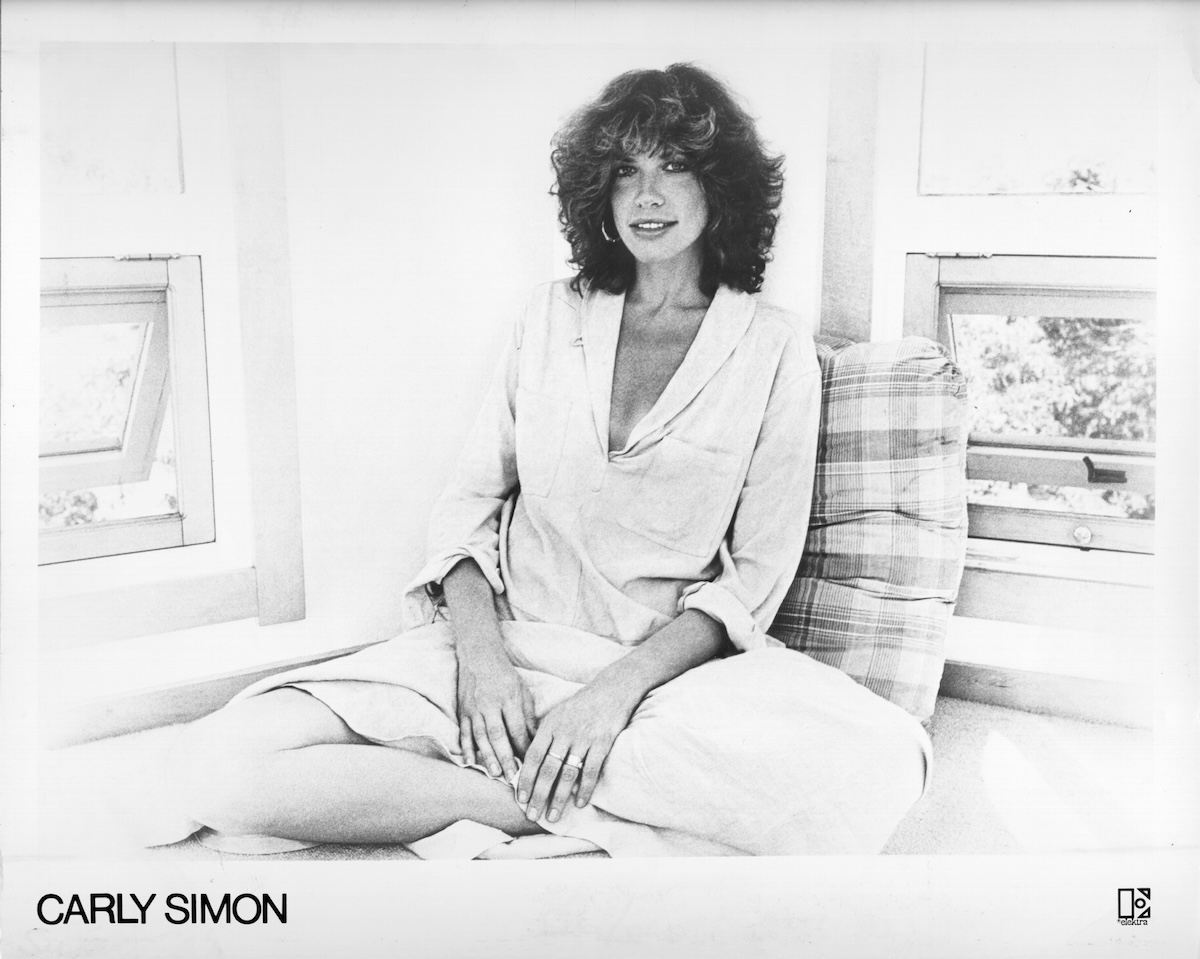
Penned by composer-pianist Marvin Hamlisch and lyricist Carole Bayer Sager, Simon’s melodramatic power ballad manages to sound just like one of Simon’s contempo-pop hits of the time (such as “You’re So Vain” or “Anticipation”) while infusing this tumid track with an odd sort of empathy for, and earnest devotion toward, the Bond character’s heaving sexuality, with its results being one of genuine tenderness toward the world’s supposed greatest lover. Wow.
Shirley Bassey, “Moonraker” (from 1979’s Moonraker)
To the sound of opulent, orchestrated strings ascending and descending around her, Bassey returns to the franchise with John Barry’s most atmospheric composition for a song more ponderous (“Where are you, why do you hide?”) and longing than her previous Bond themes. She also manages to get the phrase “Moonraker” in there without overstretching effort or awkwardness. That’s why she’s Dame Shirley Bassey, to you.
Sheena Easton, “For Your Eyes Only” (from 1981’s For Your Eyes Only)
Rita Coolidge, “All Time High” (from 1983’s Octopussy)
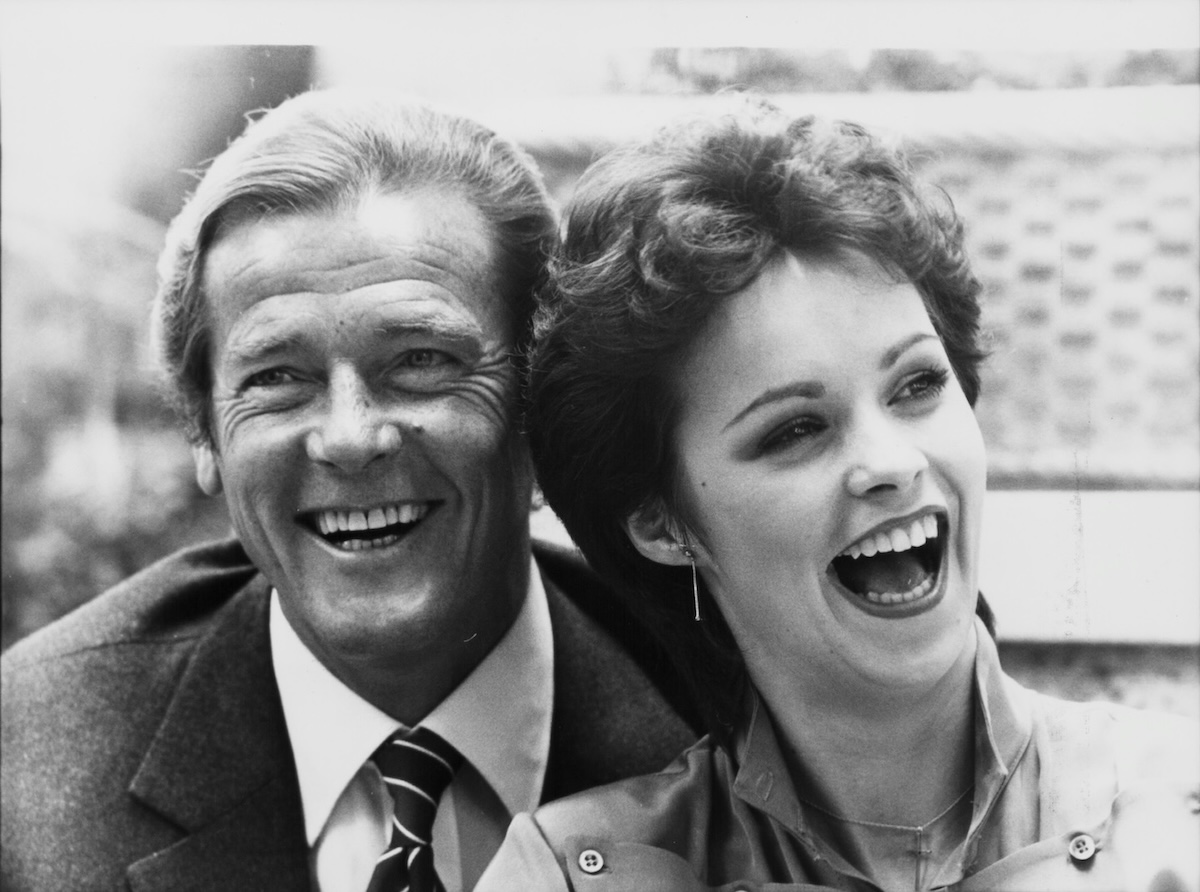
Not every Bond theme was ultra-memorable with these two back-to-back cases to prove it: The singer of “Sugar Walls,” Sheena Easton, tackling the music of Bill Conti (the guy who wrote the music for Sylvester Stallone’s Rocky), and smooth noodling vocalist Rita Coolidge having to sing for Octopussy. Given that this was the 1980s AND the Bond was played with plastic suave schmooziness by Roger Moore, Easton and Coolidge get a pass for these woefully lame songs.
Gladys Knight, “License to Kill” (from 1989’s License to Kill)
Tina Turner, “GoldenEye” (from 1995’s GoldenEye)
Two legends of R&B enter the James Bond film stakes. Turner’s highlight comes during her commercial rock-out prime. Knight is exquisite as she handles the stately-sultry melody of Narada Michael Walden with grit, grace, and smoldering passion. And Miss Turner? Listen to the ever-so-slight quaver in the lower range of her voice before she enters the coolly deposed chorus composed for her by Bono and The Edge. It’s magic. Both of these tracks—more subtle than Bond’s usual grandeur—allow 007 and his music to enter a new era soon to be redefined by Madonna, Adele, and Billie Eilish. First, however….
Sheryl Crow, “Tomorrow Never Dies” (from 1997’s Tomorrow Never Dies)
Garbage, “The World is Not Enough” (from 1999’s The World Is Not Enough)
It’s fitting that Sheryl Crow opens her Mitchell Froom-cowritten Bond track breathily singing that she’s “a puddle on the floor,” because most of this track is watery and damp. Still, she manages some genuine uplift on the song’s bravura chorus with all of the downturned chords that the very best 007 moments have at their command. And with all of the ringing guitars, digi-programming, and snarly-gnarly vocals of Shirley Manson for “The World is Not Enough,” it’s hard to believe that Garbage didn’t write this occasionally corrosive, genuinely ferocious track (David Arnold and Don Black get the songwriting credit, here).
Madonna, “Die Another Day” (from 2002’s Die Another Day)
Pierce Brosnan goes out in style (as if there was any other way for his tenure as Bond to close out), and Madonna, with the help of her then-collaborator Mirwais Ahmadzaï, brings 007 into the 21st century. Madge does this with a house music-vibing track filled with self-empowered lyrics that defy cliché, squelchy background noises, ping-ponging rhythms, and clipped cut-and-paste AutoTune vocals that surprisingly still manage to instill deep-needed humanity, contagion, and personality to the music of this franchise. Brava.
Alicia Keys and Jack White, “Another Way to Die” (from 2008’s Quantum of Solace)
Credit where credit’s due: While sticking to his usual buzzy guitars and stripper pole-worthy rhythms, composer White splices his crankily rocking Bond theme with elements familiar to those John Barry 007 traditions of yore for something wholly original. And while I don’t always love his and Keys’ weird halting rap execution, listening to her hum her way through the original Bond theme’s signature chorus (as she plays piano) is enough to make the hair on your arms stand up.
Adele, “Skyfall” (from 2012’s Skyfall)
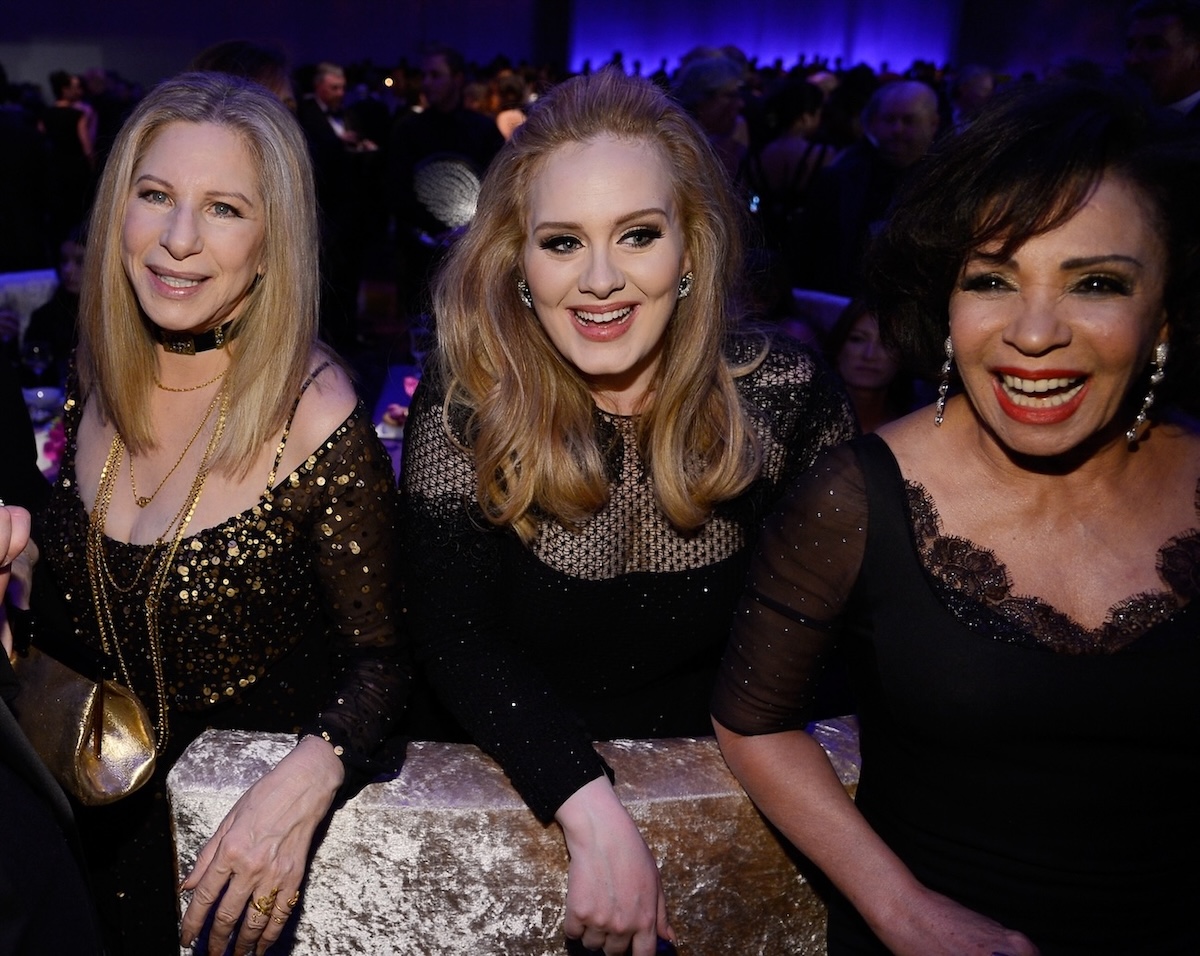
“This is the end. Hold your breath and count to 10.” When Adele opens her Skyfall theme with those words, it is as if another film is unfurling in her head, one even more bittersweet than what happens on the screen (yes, this is the Bond film where Judi Dench’s M dies). Along with welcoming back the sound of Great Britain to the 007 canon, Adele and co-writer Paul Epworth create an elegantly orchestrated “Skyfall,” something ever-so-slightly unbalanced, ruminatively rendered, potently empowered, and rapturously soulful. THIS is why Adele won a first-ever Best Original Oscar for a James Bond theme song. Oh, and they, too, nod to John Barry with some great French horn squalls.
Billie Eilish, “No Time to Die” (from 2021’s No Time to Die)
Between the hush of Billie Eilish’s quivering whisper, Finneas O’Connell’s moodily atmospheric melodic references to John Barry, and their lyrical nods to the betrayals of romance at the heart of this 25th Bond film, there’s more dramatic tension to this track than in the movie itself, especially when the track builds to its epic crescendo. Not considering 2015’s Spectre and its theme sung by Sam Smith, the triumphs of Adele and Eilish along with the franchise’s long history of superior female-led themes mean Dua Lipa has her work cut out for her if she accepts this highly secretive mission.

