

Now Hear This is a monthly A&R column that provides you with exciting new sounds we discovered through the innovative new music discovery platform Groover.
Each month, you can expect a varied bouillabaisse of songs from a vast spectrum of artists from all over the globe, regardless of genre or geography.
This month, SPIN has selected eight artists who deserve your attention, including the searing alt-punk of Virginia’s Butterfly Vendetta, new school Los Angeles country rocker Tristan Ray, experimental pop auteur Cuovo, alt-pop chanteuse Teresa Seret, Lithuania’s Miilia who lives at the corner of dreampop and trap, tech-savvy instru-metalist Digital In Blue, Ottawa indie rockers The Class of 91 and St. Paul-based psych-soul savant kazaizen.
Who knows, your next favorite act could just be a read away.
Butterfly Vendetta
Sounds like: A louder, snottier and punkier Throwing Muses from a Virginia band who has been honing their craft for 20 years and seven full-length LPs.
Interview:
Describe your approach to music and how you would explain your sound to others.
Bianca: My approach is organic, chaotic, and spontaneous. Like a Bob Ross moment: “There are no mistakes, just happy, little accidents.” The hook arrives first, typically after a conversation or event, then the words barge in — which I jot down and arrange to fit the hook. Next, one vocal take of structure, numerous playbacks while I work out the chords, till I’m satisfied with a finished piece to share with the guys. The process can take a couple hours or months — as a single piece, or multiple “happy little accidents” scribbled down on several spiral notebooks. Dave’s description of our sound is accurate and I’ll add that we have melodic co-leads that weave in and out of the lyrics. Think: Dada, Nirvana, Dresden Dolls, Veruca Salt, Silversun Pickups, Neon Trees or Skillet.
David: Bianca and I have been creating music together for nearly 20 years. We understand each other on a fundamental level and work in tandem every step of the way. As a band, we collaborate heavily on our music and we all add our unique touches to each song when we practice. I actually wrote the final song on our latest album — a rare occasion, since I’ve never written lyrics for our band before — and the guys immediately brought their creativity to the musical composition. In terms of our sound, we’re sort of indie rock/pop/punk. I often describe Butterfly Vendetta as Foo Fighters meets Paramore meets Alkaline Trio. It’s definitely a mixture of sounds that are infused with 80s, 90s and 00s pop/punk.
How did you come up with the name of your act?
David: There’s an episode of The Simpsons titled “The Italian Bob” where Sideshow Bob and his son want to get revenge on The Simpsons family. Near the end of the episode, a butterfly is shown flying near his son and the kid holds up a large knife, proclaiming “Vendetta! Vendetta!” Our bassist Remy looked at me when we were watching that episode and suggested that “Butterfly Vendetta” would be a good band name for future use. When Bianca and I started working together in 2007, we initially used the name of her former band, *454*, but after several months we agreed that Butterfly Vendetta felt more appropriate.
Bianca: Remy even photographed the broken-winged butterfly seen in the logo on our merch and music.
What are some artists and albums that have informed your creative direction?
Bianca: Dada Puzzle, No Doubt Tragic Kingdom, Ani DrFranco Little Plastic Castles, Dresden Dolls Yes,Virginia and Dumm-Dumms Oxymaroon — restructured the way I write my material and how I emphasize the delivery of each song live. The Josie & The Pussycats movie soundtrack, Green Day American Idiot, Metric Old World Underground, Alkaline Trio Agony & Irony — influenced the way I wrote our woven harmonies and introduced me to looping beats and effects in our studio albums. Seeing Joan Jett and Ani DiFranco live, still rockin’ out after their 40s, was a big deal for me to keep evolving my writing — but meeting and performing with The Dollyrots on stage in Charlottesville at The Outback Lodge, after their Eat My Heart Out album release, changed my life and the way I performed live moving forward.
David: Green Day Kerplunk and Dookie, the first Foo Fighters album and The Colour and The Shape, and Incubus Make Yourself and Morning View are big sonic influences for me. I listened to each of these albums growing up and really identify with the pop/rock sound of the 90s and 00s. Our latest album was even completed in similar fashion to the Wasting Light album from Foo Fighters, in that we recorded all instrumentation in real-time using a multitrack device then did our vocals separately.
What’s the most exciting thing happening in music right now?
Bianca: In terms of exposure for bands breaking out DIY like us — we need easier access to major publications like SPIN that will give underground music a sincere listen and provide thoughtful feedback on our brainchild, as well as access to reliable agents and management. In terms of our sound — big sound keeps coming in smaller packages. I love exploring new ways of recording our vocals and updating gear that keeps getting more advanced in smaller packages to elevate and dial-in our signature sound.
David: I feel like independent artists still have an uphill battle in reaching an audience without the benefit of record label exposure — but the exciting thing is that there are tools available to help. If you make great music and offer compelling content on a number of platforms, you will ultimately reach a dedicated crowd that digs your stuff. We see this all the time as we perform live and we’re seeing it now with the release of our seventh album.
Where do you see the music world heading in the next five years?
David: I see the rise in fully AI-generated music and I genuinely hope that listeners resist the urge to support music created in that manner. I think it’s fine to get assistance from AI tools in certain circumstances, but the survival of true musical creativity rests in human beings sharing their experiences themselves through original words and music.
Bianca: I couldn’t have said it better myself.
How is music helping you during these uncertain times?
Bianca: Music gives us all an opportunity to connect together for a moment — to stop, pause, dance, sing, ponder, scream if necessary — and release the pressure of the labels/expectations we assume in today’s world, or celebrate a personal joy after a tough day. I wanna see the gaps get smaller between each generation of music lovers. GenZ and Millennials need to peel their faces out of their devices and interact with their humans and environment. Music is great for speaking to our cultural communities and preferred gender identities. I really feel music that’s well thought out, full of emotion and can elevate WHO WE ARE as part of this beautiful marble on which we’re spinning.
David: Music offers an escape from the harshness of reality and can provide comfort during uncomfortable times. It’s also great at provoking feelings of nostalgia when you can transport yourself back to a time and place in your life when things might have been simpler or happier. They say music is a universal language and I do believe in the power of music to connect people all over the world through shared emotions.
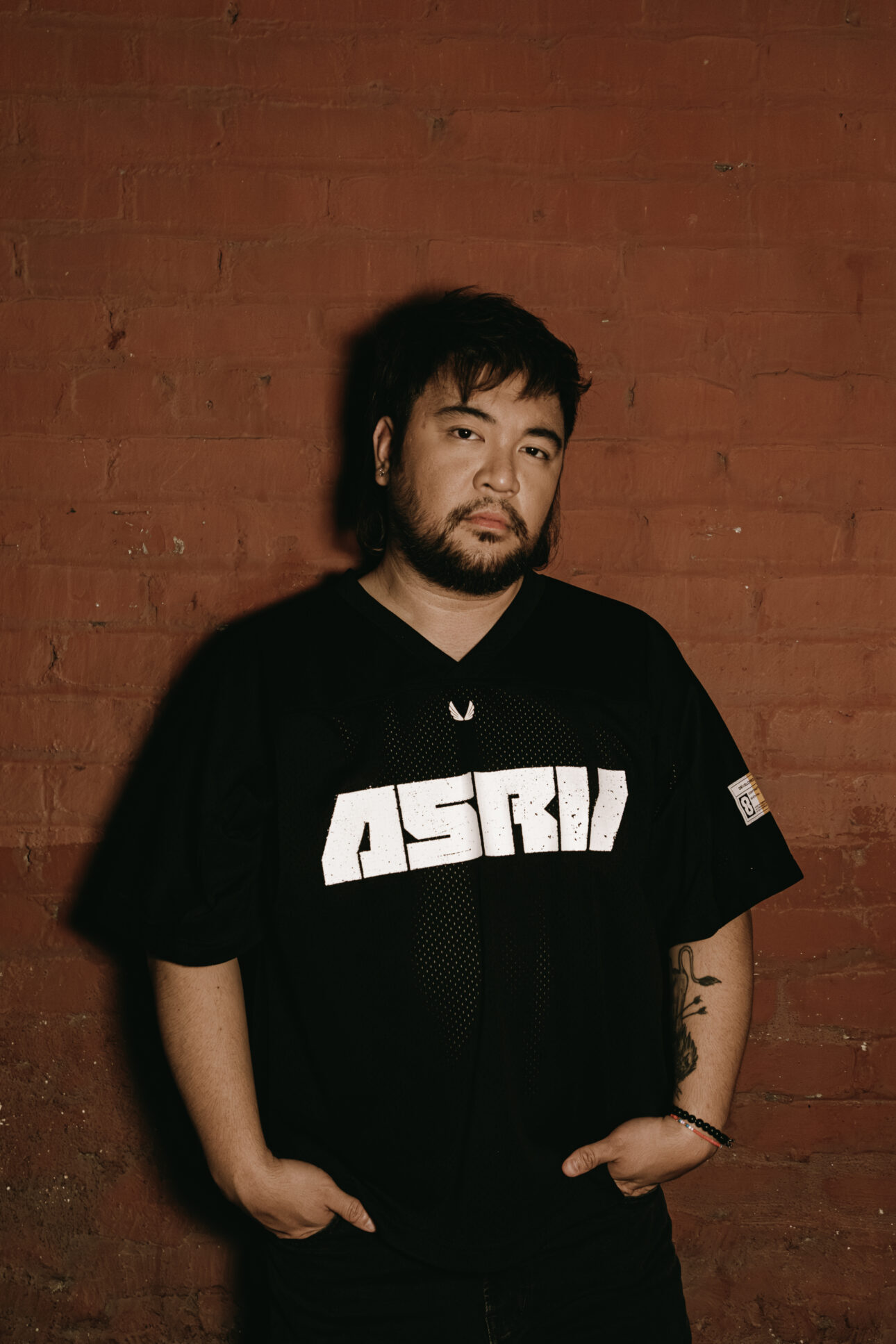
Tristan Ray
Sounds like: The modern sounds of country music heartbreak from the pen of a pop-punk kid from Los Angeles County.
Interview:
Describe your approach to music and how you would explain your sound to others.
I don’t think in genres, I think in moments. I write music the way movies build scenes. A choice you didn’t make. A person you still miss (yeah, I still miss her). My songs usually live right before or right after a turning point. Sonically, it’s emotional and cinematic. Guitar-forward. Big chorus energy. A little ’80s glow and enough atmosphere to feel like headlights on an empty road. If it feels like it belongs in a film or a late-night drive, I’m probably on the right track.
How did you come up with the name of your act?
I chose to use my real name because this chapter of my life doesn’t allow for hiding. I’ve tried versions of
myself that made sense on paper (none of them stuck). This project is about alignment. Using my name
keeps me honest. And if I’m going to take a leap, it has to be under my own name.
What are some artists and albums that have informed your creative direction?
With my upcoming single, “Leap of Faith, it was more of a north star feeling than a single reference. In the studio, I kept coming back to the emotional sweep of “Bittersweet Symphony” and the kind of hope Coldplay can create, but imagined through an ’80s lens. Big feeling. Big lift. The weirdest influence was Cobra Kai. Specifically Johnny Lawrence. A guy trying to rebuild himself, caught between who he was and who he’s becoming. That tension is the heart of the song.
What’s the most exciting thing happening in music right now?
Conviction is starting to matter again. People are getting tired of perfection. Artists who cut through now stand for something. They let you watch them become, not just perform. That idea was reinforced for me by Troy Carter. Not in a business sense, but in a human one. If you don’t know what you stand for, people can feel it. I’m not trying to be untouchable. I’m trying to be real. If you’ve ever had to start over, you can feel that in someone.
Where do you see the music world heading in the next five years?
I think the gap between industry success and artist fulfillment is going to become more obvious. The next wave won’t be defined by charts. It’ll be defined by who can build worlds people actually want to belong to. Artists will operate more like storytellers and less like content factories. The ones who last will be the ones who know why they’re doing this. Not just how.
How is music helping you during these uncertain times?
Music isn’t an escape for me. It’s alignment. I’m not chasing fame or a finish line. I’m chasing the feeling of finally doing what I was always meant to do. This chapter has been about choosing conviction over comfort and letting people see the rebuild in real time. There’s uncertainty in that, but there’s also freedom. And once you taste that kind of freedom, it’s hard to choose anything else.
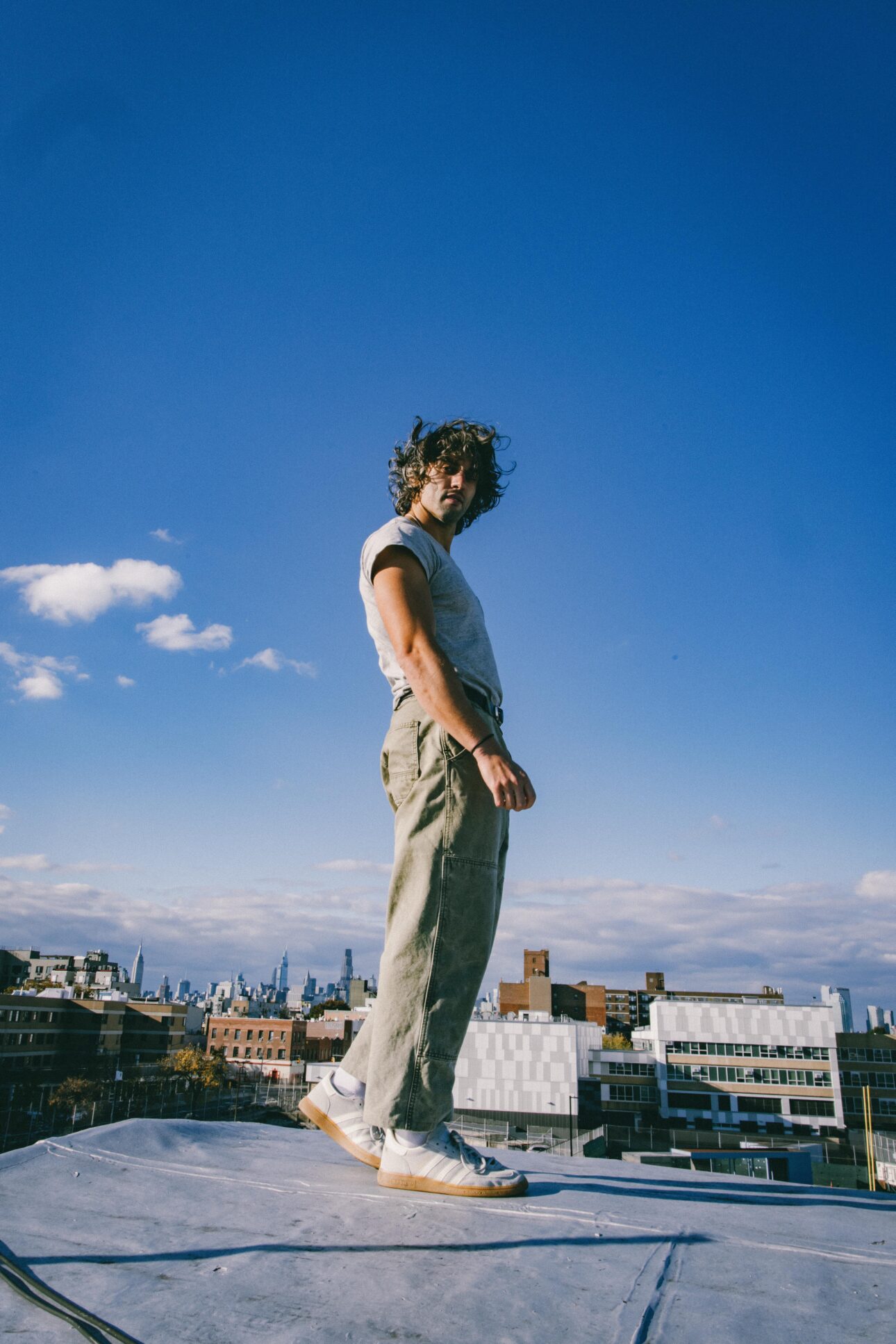
Cuovo
Sounds like: A crossroads where the experimentalism of Bon Iver and Dijon meets the mass appeal of Noah Kahan and Ed Sheeran, bathed in a warmth reminiscent of Wilco’s Yankee Hotel Foxtrot era.
Interview:
Describe your approach to music and how you would explain your sound to others.
I’ve been calling it nostalgiacore. It’s introspective and ruminative — music for people who feel slightly disconnected from whatever version of the American Dream they thought they were chasing. It’s like the soundtracks to the thoughts that loop through your head on the train home, or during that long walk back from work or the bar late at night, in that quiet space between motion and reflection.
How did you come up with the name of your act?
It’s an old nickname — just a shortened version of my last name. Where does Couvo end and where do I begin? Well, no one knows.
What are some artists and albums that have informed your creative direction?
Dijon’s Absolutely completely floored me when it came out. It fundamentally changed the way I think about songwriting and texture. Springsteen has always been a huge influence too, especially the way he captures political and emotional moments by grounding them in specific characters and lived-in stories. Bon Iver comes to mind. As does D’Angelo — particularly the way D’Angelo layers and uses his own voice as an instrument. And honestly, a lot of ’90s and early-2000s radio music I grew up with (Third Eye Blind especially) has seeped in more than I probably realized at the time.
What’s the most exciting thing happening in music right now?
There’s this gritty, lo-fi sensibility emerging that feels raw and human in a way I’m drawn to. Hudson Freeman comes to mind.
Where do you see the music world heading in the next five years?
Making public predictions about the future feels like a great way to be permanently archived for being wrong.
How is music helping you during these uncertain times?
Music — and art more broadly — translates our most inner feelings into something shareable, and in doing so reminds us that we’re not alone.

Teresa Seret
Sounds like: A welcome callback to the Lilith Fair era of alternative pop. It’s very sweet, and hopeful in its message despite the insanity of our present tense.
Interview:
Describe your approach to music and how you would explain your sound to others.
I spent many years avoiding music. I had been part of an indie band in my twenties, but after the band fizzled out, I let the idea creep in that I was aging out of music-making years, and should probably just let it go. So I did for a long time. I was successfully sweeping it under the spiritual rug until the upside down times of 2020, but those covid years made me reevaluate everything in my life. I realized I really had to write and sing if I wanted to die without hating myself. So I write songs now, and they mostly all begin as a folk song, just me and a guitar, or occasionally a piano. My producer Jesse Siebenberg and I will listen to my voice memos of the songs and talk about what the song wants to be, what undercurrent might be lurking, and what sonic elements would work to support it. When I first came to Jesse, I had a bunch of songs, only three of which ended up on this album. The others came to me over the course of the months that Jesse and I were pulling the album together. I am a person who likes to ruminate on thoughts for a long time, and for me, writing a song can be an essential part of that rumination. If I had to describe the sound of this project, I would say it has folky roots, indie vibes, and a 90’s Lilith Fair college rock era girl influence.
How did you come up with the name of your act?
My mom always made sure that my sisters and I knew what our names meant, and made sure that we felt like our names gave us some special insight about who we are as people. Teresa means “harvester.” After I finished recording the album, I really wanted to change the name of my project (I had previously gone by Teresa Rey, which felt too country and honestly there are so many Rey-adjacent names in music). I wrote my name out as a palindrome and looked up what the reversed spelling of my first name means (minus the “a”). In latin “Seret” means “she will sow/plant”. So Teresa Seret is a palindrome, and the meaning is also a sort of palindrome. To harvest, to sow, to harvest, to sow — it becomes the same whether forward or backward. Or maybe it makes more sense when you write it in a circle. I love that.
What are some artists and albums that have informed your creative direction?
I didn’t discover Ryan Adams or Patty Griffin until my mid twenties, but when I did, they kind of took over my listening time. Ryan Adams’ Cold Roses specifically is an essential album for me. There are a few songs on that album that start as one song, but become a completely different song by the end, in a way that is super interesting. And some of the lyrics are very poetic and visual — something that has informed the way I respond to lyrics in general. Patty Griffin’s albums from the early 2000s like 1000 Kisses, Impossible Dream and Living with Ghosts were on constant rotation for me, too. No one can tell a story in song like Patty Griffin, and I was and am constantly amazed by how songs of hers that I have heard a hundred times will sometimes reveal something new on the 101st listen.
What’s the most exciting thing happening in music right now?
I appreciate the genre-fludity that artists have been able to explore. No one has to just be one thing.
Where do you see the music world heading in the next five years?
I hope that humans reject AI in music. Music is an essential human thing, and should be appreciated as such. If individual humans decide to derive pleasure and solace from the wisdom, insight, and life experiences of robots, then fuck.
How is music helping you during these uncertain times?
For myself, making music — writing and singing it — is therapeutic. I love that Jesse Welles is making protest music, and it gives me hope. I know other artists are bringing something of their conscience to the table when they sit down to write something, and I crave more of that. Music is magic, and those who make it should use it as such. Hex capitalism or whatever.
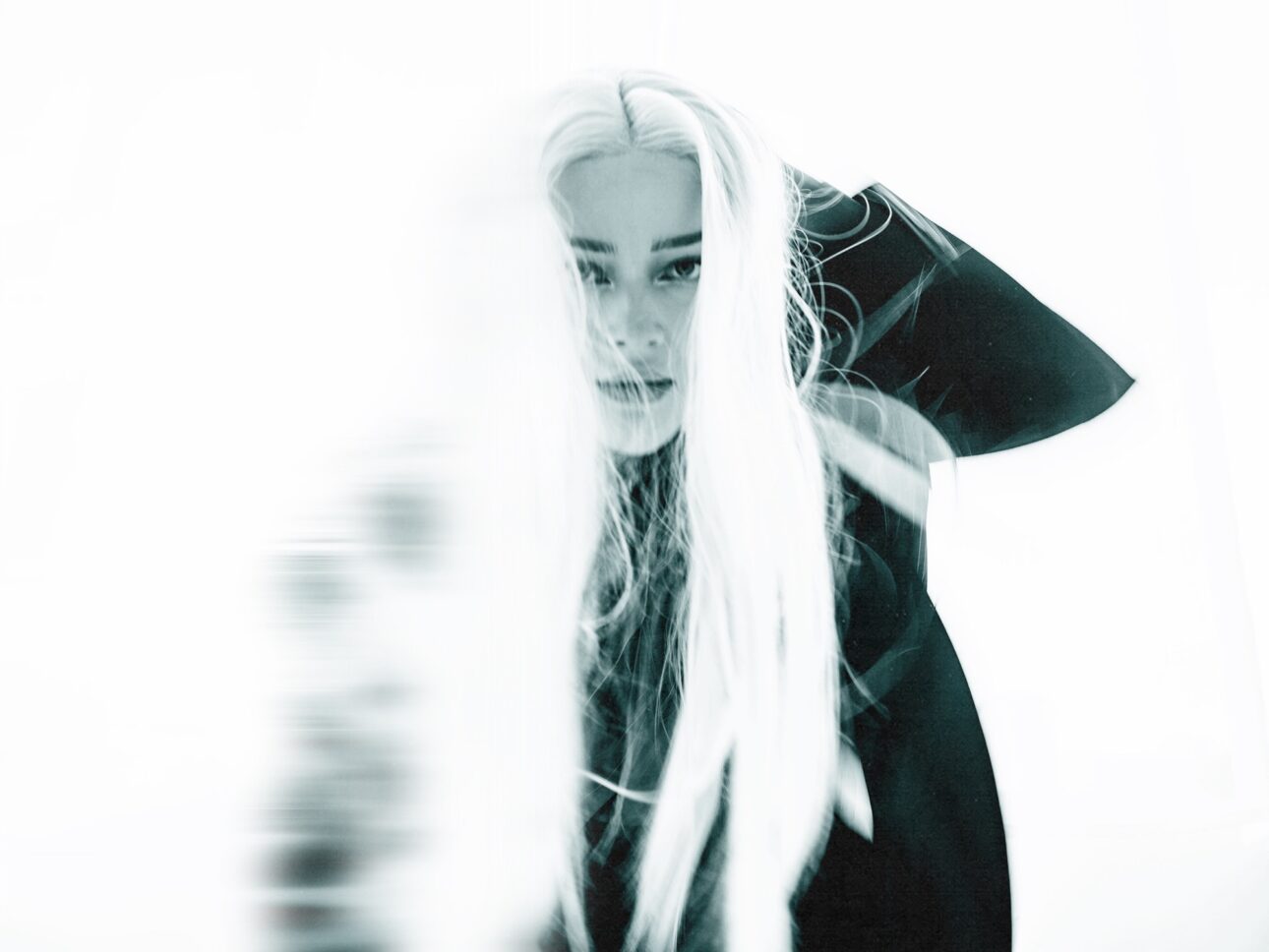
Miilia
Sounds like: A unique combination of dreampop vocals and cloud rap beats that takes a wild left turn into TikTok-era slam poetry towards the end.
Interview:
Describe your approach to music and how you would explain your sound to others.
Millia is all about juxtaposition and ritualism. In my music, metaphorically speaking, I love to combine sounds from different “orchestras”, and find unconventional ideas to provide a gust of newness and originality.
For example, in “gone girl” I was inspired by Baltic shamanic breathwork which ignited an idea to use it as an adlib throughout the chorus.
My sound is definitely mythical, mysterious and might even put the speaker in a nostalgic trance.:)
How did you come up with the name of your act?
Miilia derives from my name Emilia, but when pronounced into longer vowels as “mee-lee-yah” it sounds like the speaker is saying “love her” in Lithuanian.
Also, when I was working at an elementary school as a lunch lady last year, the kids would constantly nickname me Mimi, so that was a big reason, too, I never really had a nickname growing up, so it felt really heartwarming having one.
I loved the idea of having “love” in my name so I decided to stick with it being my personailized nickname- Miilia.
What are some artists and albums that have informed your creative direction?
Most definitely I am inspired by Yung Lean, Lil Peep and Grimes the most. My music is like a mashup brainchild of these three artists.
I also enjoy Bones, $uicideboy$ for their flow and Lana del Rey for her lyrical essence.
What’s the most exciting thing happening in music right now?
I have been very lucky to be invited into a collective! Forming cliques for alternative artists is a clever way to boost visibility and form great connections.
I am a proud member of Darkvision now, where the sound of the nighttime beauty unites us. 🖤
Where do you see the music world heading in the next five years?
I think I will definitely be on the cover of a magazine somewhere, touring Europe with a group of other amazing artists and have my own small merch brand, where each artwork will be drawn or painted by me. I would love to get my art out into the world as well, apart from music! Also, I would love to collaborate with Yung Lean so bad, I hope that dream will manifest into the world :).
How is music helping you during these uncertain times?
With Miilia project, I want to spread love and a brighter outlook on life (even if my music is definitely melancholic!), that is the purpose of Miilia (hence the name coded “love her”).
As well as me personally, it is a spark of hope for me, as without music I would be in a dark place. I am bipolar, so the music helps me find balance in everyday life, set goals and think positively. That’s how I want to inspire others, too 🙂
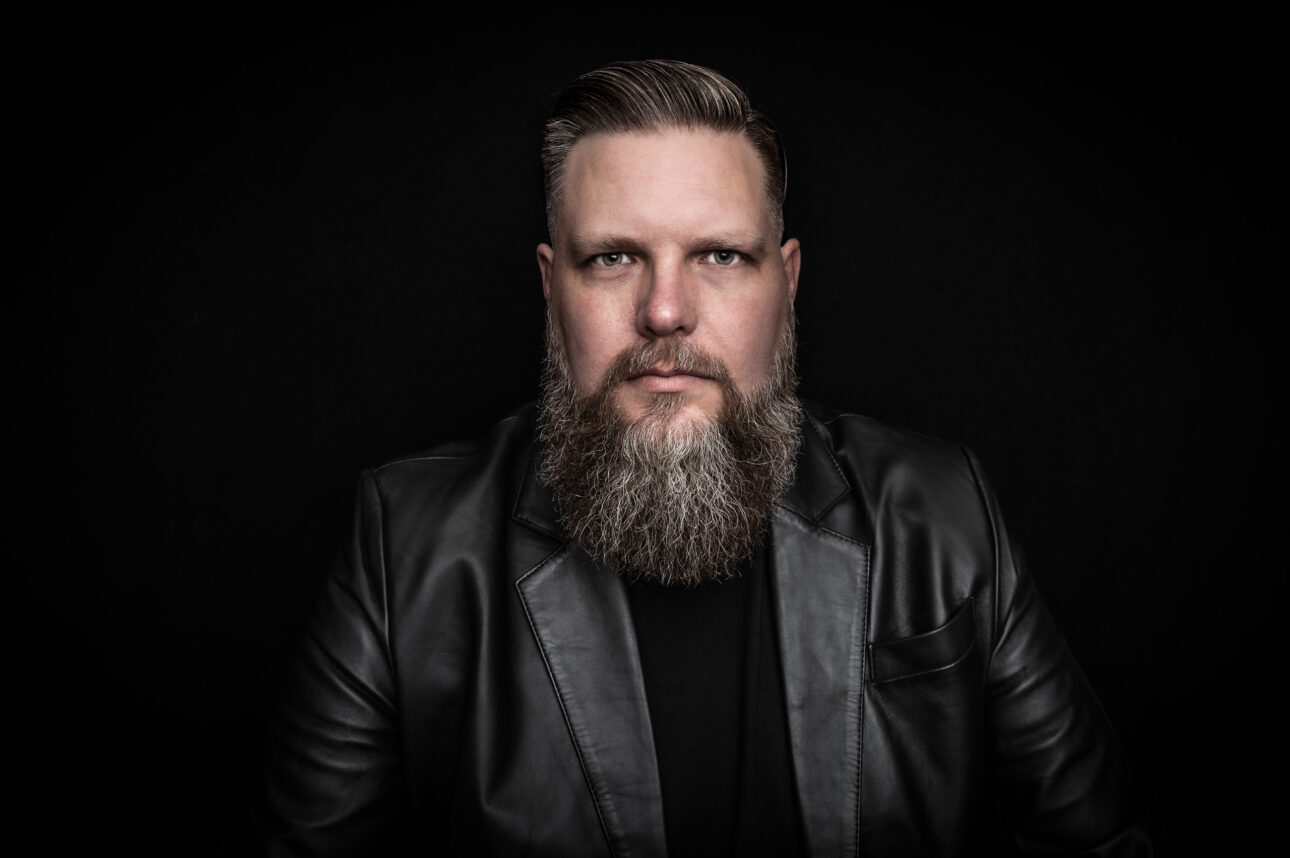
Digital In Blue
Sounds like: Aggressive, progressive instru-metal with vicious riffs and cinematic soundscapes that make you feel like you are immersed in a guitar clinic from the future.
Interview:
Describe your approach to music and how you would explain your sound to others.
I make the record I want to hear first. If it connects beyond that, that’s the bonus. The Cultist is heavy music where the synthesizers take the lead role and the guitars act more like weight, texture and punctuation, which is kind of the inverse of a lot of prog metal. Make the synths the focus, and use guitars as ballast. Then I stack percussion and little sonic “artifacts” everywhere so there is always something new to discover when you re-listen to the track.
How did you come up with the name of your act?
I honestly don’t remember the exact moment. “Digital in Blue” started as the name of my studio about 20 years ago, and it stuck because it feels slightly surreal: you can picture it, but it doesn’t resolve into one obvious meaning. That ambiguity gives me room to evolve without outgrowing the name.
What are some artists and albums that have informed your creative direction?
For The Cultist, I treated production like an instrument, so I studied people who are ruthless about sonics: Devin Townsend’s modern stuff, and Nolly’s approach to clarity and impact. Then I went back to Kevin Moore/OSI for mood and restraint, and older Nine Inch Nails and Rob Zombie for color, grime and momentum. The goal wasn’t to cosplay any of that, but to take the parts that still light up my brain and rebuild them into something that sounds like me.
What’s the most exciting thing happening in music right now?
The collapsing wall between “writing” and “production.” The tools are good enough now that sound design, arrangement, and composition are basically the same act, and it’s pushing heavy music into weirder, more personal places.
Where do you see the music world heading in the next five years?
AI is going to be a permanent part of the toolbox, but I don’t think “press a button, get a song” is the point. The real impact is that it will unlock a new kind of music, the way synthesizers did. Not a shortcut, but a new instrument and a new vocabulary that changes what we even think to write. I’m most interested in AI at the edges, where it helps you explore variations, translate ideas into sound, and push sound design faster without replacing taste. At the same time, I think physical media and high-intent listening keep coming back, because people want something they can own and actually live with, not just rent for 30 seconds. I still think about “albums,”not “tracks”.
How is music helping you during these uncertain times?
I get why people ask that, but I don’t feel personally consumed by the uncertainty. Music is just my baseline: the place where I build skills, chase ideas, play and ultimately finish work. It’s less about coping and more about creating a world I actually want to spend time in.
Class of 91
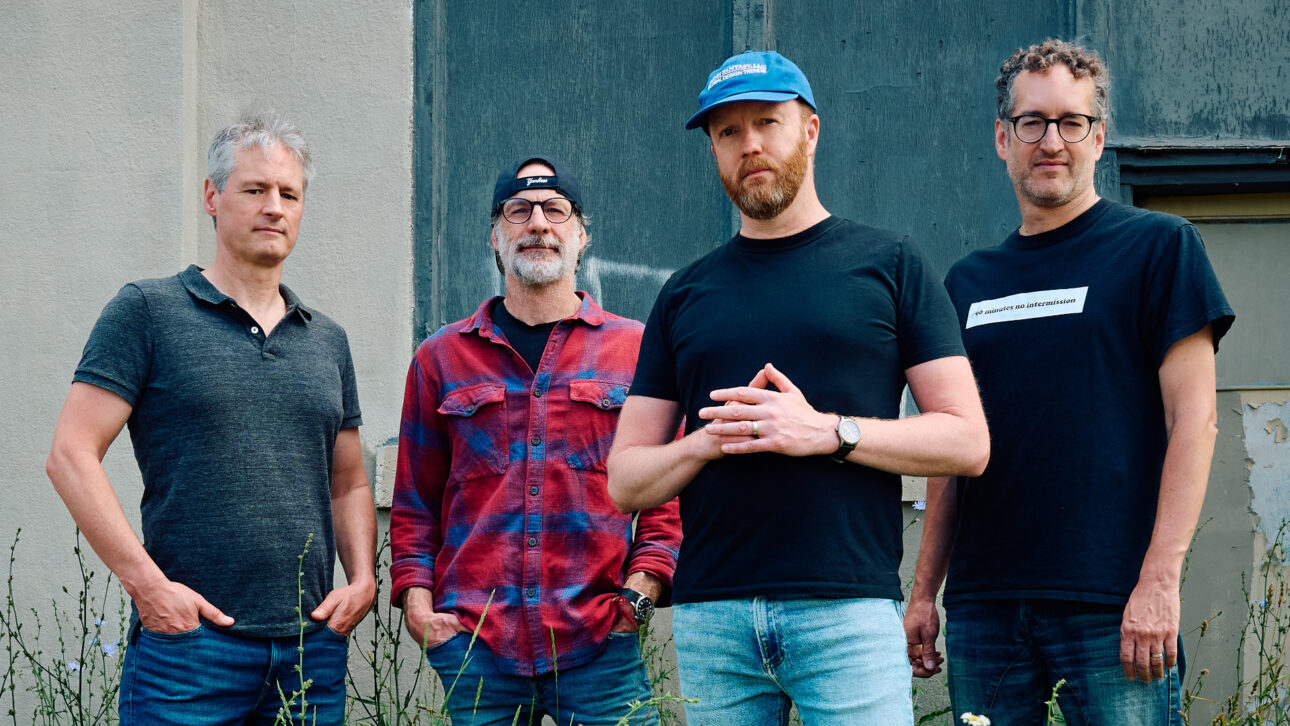
Sounds like: Hard-driving big sky indie rock from Ottawa with a punk edge that not only caters to the kids who grew up on Cloud Nothings and DIIV but their Jawbox-loving parents as well.
Interview:
Describe your approach to music and how you would explain your sound to others.
When Class of 91 formed in 2019, our earliest songs felt very much like a patchwork. For most of us, it was a return to making music after a couple of decades away, so there was a lot of curiosity and experimentation—trying on different ideas, sounds, and structures to see what felt honest and sustainable. By the time we reached our second album, Lost Stories, a clearer through line had emerged: punk-leaning indie rock grounded in shoegaze textures.
At the core, though, our approach has never been about committing to a single genre. It’s more about finding the right delivery system and mood for whatever story a song is trying to tell. We tend to keep the viewfinder wide, looking beyond the boundaries of any one scene. As long as the choices are intentional and logical, we don’t see the need for hard boundaries.
How did you come up with the name of your act?
For most of us, 1991 was our actual — or at least intended — high school graduating year. It also happens to align with a period in music history that had a huge influence on us as young listeners and, eventually, as musicians. That era shaped our musical DNA, and the name felt like an honest acknowledgment of where we come from without leaning into nostalgia for nostalgia’s sake. We’re more interested in bridging generations.
What are some artists and albums that have informed your creative direction?
Given the guitar-forward nature of our music, it’s easy to trace a lineage back to players like Bob Mould, J. Robbins, J Mascis, and Ian MacKaye — artists who showed how melody, texture, and urgency can coexist. Copper Blue by Sugar made a massive impression when it came out in 1992, and it remains a touchstone for how we think about dynamics and hooks.
More contemporary influences include bands like Cloud Nothings (Final Summer), late-era Title Fight (Hyperview), and High-Vis (Blending, Guided Tour), all of whom balance aggression with melody in ways that resonate with us. At the same time, Class of 91 pulls from well beyond a single lane. During the writing of All Guesses Passed Off As Hope, we drew inspiration from artists like Julien Baker, DIIV, Nick Cave & The Bad Seeds, M83, Godspeed You! Black Emperor, and Glitterer — not because we sound like them, but because their sonic directions informed how we approached the record.
What’s the most exciting thing happening in music right now?
One of the most exciting developments right now is how the listening experience itself is changing. The resurgence of vinyl and cassettes has reintroduced a sense of intention and physical engagement after years of mostly digital consumption. It’s been especially interesting to see younger listeners actively discovering artists from the ’70s, ’80s, and ’90s — whether that’s renewed interest in Fleetwood Mac, The Smiths and Nirvana, or a deeper dive into bands like Joy Division, Pixies and Slowdive. Even something like the massive response to the Oasis tour speaks to that rediscovery.
Ironically, one of the few positive byproducts of streaming eroding traditional record sales and band incomes is that it’s helped fuel this broader cultural reappraisal. Between legacy artists touring again, re-releasing music in physical form, and even the wave of music biopics, whole new generations are being introduced to the music we grew up with. It feels like a full-circle moment, and seeing people form deeper, more deliberate connections to music is genuinely exciting.
Where do you see the music world heading in the next five years?
The music world seems to be heading into a period defined by tension and contrast. On one hand, live music is thriving — people are turning out in huge numbers and spending insane amounts on tickets to see popular artists. On the other hand, those rising costs are making shows increasingly inaccessible, which raises real questions about who gets to participate in music as a shared, communal experience. There’s also a growing desire for music in tangible forms — vinyl, cassettes, physical ownership, liner notes, lyrics and context. That hunger for something tactile exists alongside real concerns about AI-generated music flooding platforms and the broader implications for creative agency and intellectual property.
Creatively, it wouldn’t be surprising to see the music itself skew darker in the coming years. Historically, periods of economic instability and social strain tend to influence tone, texture and lyrical themes. As uncertainty grows and voices of protest get louder, we expect dissatisfaction, fear and anxiety to surface more prominently — not as an aesthetic choice, but as an honest reflection of a changing global experience and a collective attempt to make sense of it.
How is music helping you during these uncertain times?
There’s certainly no shortage of inspiration right now! Writing music gives us a way to examine and process what’s happening — whether that’s deeply personal or something much larger—and then shape those thoughts into something others might connect with, even if the answers aren’t clear. The title of our latest album, All Guesses Passed Off As Hope, reflects that mindset pretty directly.
Just as importantly, music creates community. Showing up, being present, and investing in the relationships that form around it feels essential in uncertain times. Ottawa may be a small city, but its independent music scene is incredibly supportive, with a strong sense of camaraderie. Being part of that scene — contributing to it and drawing strength from it — reinforces why making music with intention still matters.
kazaizen
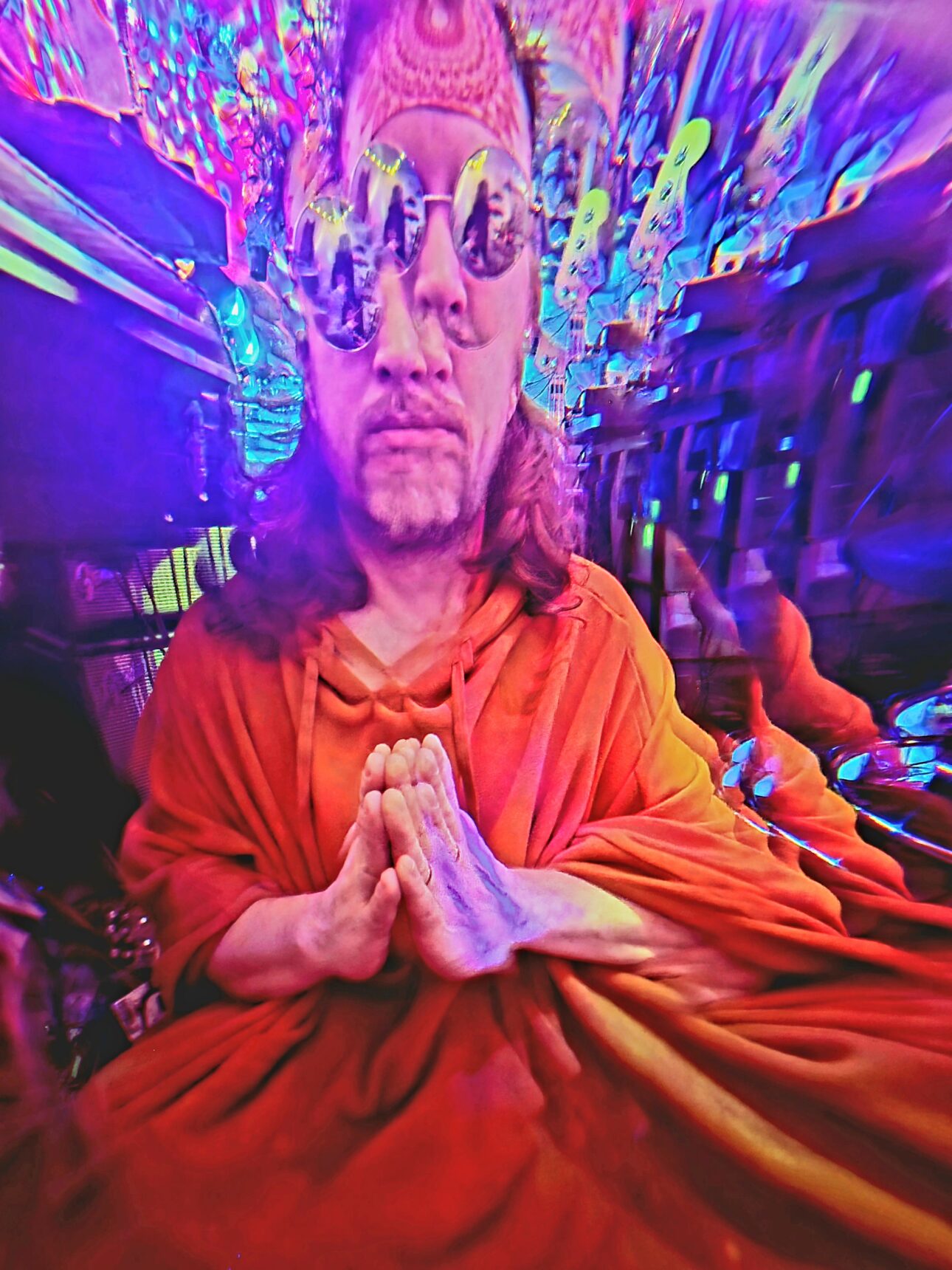
Sounds like: Off-kilter, futuristic psych-soul from St. Paul, Minnesota that sounds like Prince if he recorded for Brainfeeder and sang at a lower register.
Interview:
Describe your approach to music and how you would explain your sound to others.
I view music as a form of spiritual channeling. It is taking ideas from imagination in the ether and manifesting them into reality. Whether that be inspiration for complete songs, or in it’s purest form with live improvisation. My sound I would describe as an extra spicy stew of swirling emotion and color, with ’60s psychedelia, ’90s hip-hop and R&B, ’80s sci-fi soundtracks and a sprinkle of modern pop being the main ingredients.
How did you come up with the name of your act?
The name kazaizen came from a play on my last name, Kasai, and doing some research into ancestral history on my dad’s side of the family. There was a Japanese author and poet named Zenzo Kasai that we are related to. I don’t remember exactly how those things came together to be kazaizen, but it turned out to be a happy accident as it is pronounced “cuz-I-zen,” and it coincided with me getting deep into Zen Buddhism and Hinduism.
What are some artists and albums that have informed your creative direction?
There are many, but for kazaizen, I would have to say Are You Experienced? and Electric Ladyland by The Jimi Hendrix Experience have been massively influential. Lonerism by Tame Impala. Unknown Mortal Orchestra’s first two albums. Purple Rain by Prince. The original Blade Runner soundtrack by Vangelis. And really all ’90s hip-hop/r&b such as TLC, LL Cool J, Salt-N-Pepa, Kris Kross, etc.
What’s the most exciting thing happening in music right now?
I think it’s exciting seeing more protest music ala Jesse Welles. More people taking a stand for what is right and speaking out against what is wrong. It’s amazing hearing roots music making a comeback with folk and blues. Hearing artists combine everything that has come before and making new material out of it is inspiring.
Where do you see the music world heading in the next five years?
AI is such a major factor now. There may be a split among people and what is accepted as real music or real art. People seem to have a sense of what is organically created compared to made by a machine. AI can be a very useful tool for help creating, but there is a drastic difference between using a tool as a tool, or using a prompt to have a machine do all of the work. You don’t commission a company to build a house and then state that you built it. That is not truth.
How is music helping you during these uncertain times?
Music to me is therapeutic. We had a picture on the wall growing up that said music washes away the dust of everyday life, and that is the truth. It has helped me reconnect to genuine friends like the immensely talented Levi Ashton who mixed the tracks “What Is” and “Smoove” on the Sky Fish Fly album. Music helps me stay balanced and centered. Music is life.
Groover connects independent artists with music industry professionals to accelerate their careers. Their goal is to empower independent artists by providing a platform that connects them with the best curators, radio, media, labels and other music pros to receive guaranteed feedback and exposure.
Over 700,000 artists use Groover to connect with 3,000+ professionals across the globe. Artists have received over 7M+ pieces of feedback, 1M+ shares (e.g. playlists, reviews) and 1,500+ label contracts — all thanks to Groover!

