

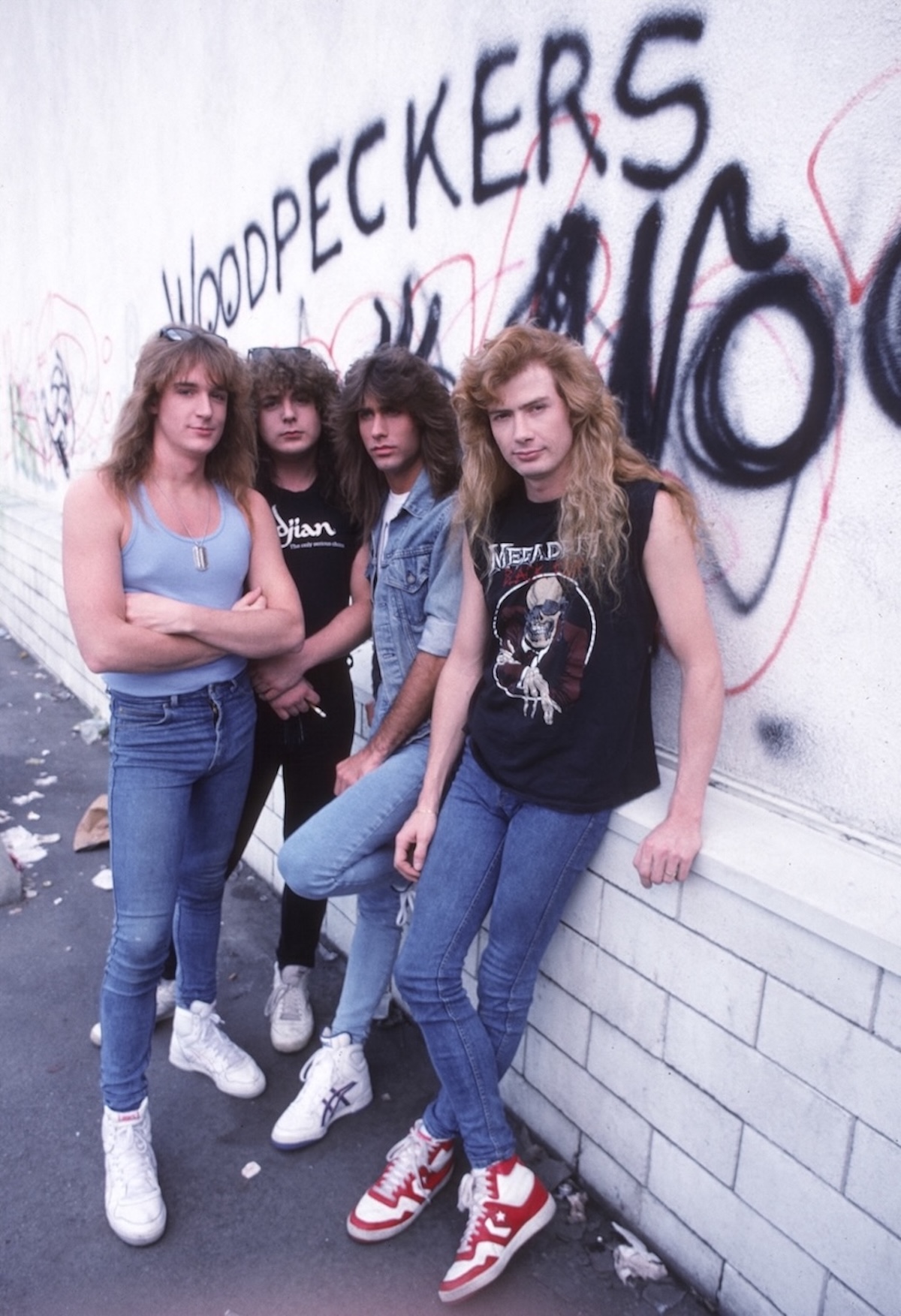
As the original thrash generation’s feistiest and most outspoken bandleader, Dave Mustaine has left a defining mark on heavy metal. After being fired as Metallica’s founding lead guitarist on the eve of the band’s 1983 debut album, he went on to form the unlikely rival powerhouse Megadeth, a platinum-selling thrash-metal act that has remained his primary creative vehicle ever since.
Megadeth’s announcement of an album, releasing January 23, came with alarming news for fans: The self-titled album will be the band’s final release, accompanied by a farewell tour. The reason is an accumulation of health issues that have threatened to derail Mustaine’s ability to play. He’s already survived a 2019 throat cancer diagnosis, and neck surgery before that.
The fact that Megadeth is 10 tracks of growling, high-energy metal may leave some wondering if retirement is premature, but Mustaine says he is determined to protect his band’s legacy, and to “go out on top.” The album opens with a searing blast of original-recipe thrash in “Tipping Point” and turns contemplative with the anxious “The Last Note,” as Mustaine considers the end with a rasping vocal: “The final curtain falls, a quiet end to it all / Now it’s just memories in my mind / Just fading lights and names, if I ever play again / Then let this last note never die.”
The album also includes as a bonus track “Ride the Lightning,” a song Mustaine co-wrote while in Metallica. The singer-guitarist will also recount the four-decade history of his band in the documentary film Megadeth: Behind The Mask, set to land on more than 1,000 movie theater screens around the world the night before the album’s release.
Joining Mustaine on the album and tour is the band’s newest lineup: bassist James LoMenzo, drummer Dirk Verbeuren, and guitarist Teemu Mäntysaari, who joined in 2023. No final concert has yet been set, but Megadeth has announced dates across North America, South America, and Europe throughout 2026, beginning February 13 in Victoria, British Columbia.
Ahead of that tour, a notably reflective Mustaine, 64, called SPIN from his farm in Franklin, Tennessee, to talk about his history, the band’s seventeenth and final studio album, and the closing chapter for Megadeth.
Now that you’ve announced that this is Megadeth’s final album and round of touring, has that changed the feeling of being on stage?
No, it hasn’t because I really enjoy playing and the guys that I’m playing with right now. I’ve had a lot of guys that I’ve come across over the years—not only band members, but crew guys—and you learn a lot about people over the years and you learn how to treat people properly. The way we all get along right now is fantastic. The songwriting process was so comfortable. [On the new album] there’s an equilibrium with the band where we felt like we’d been together longer than the two years that our new guitarist has been with us and the way that the four of us all just melted together.
The new album is very energetic and doesn’t sound like a band that’s about to call it quits.
I must explain what prompted this. We were working in the studio. When we got the drums and bass out of the way, the real work started to pile up, and it was mainly my rhythm lead acoustic and layering of guitar parts—and Teemu doing the same thing—and singing, writing all the lyrics, and finishing writing all the parts. It was about halfway through the record, and I just said to my management, “I don’t know how much longer I can do this,” because my hands were beat.
I’ve got a contracture on my left hand. I’ve got arthritis in my fingers. I had Saturday night palsy on my left side from when I fell asleep on my arm. My pinky is numb, and my ring finger is numb on one side of it. So I’m working with a battered old jalopy compared to when I first started out and I was all piss and vinegar and lightning in my hands. So I said that when it was time and I couldn’t play my best anymore, that I would face retirement and that I would make the right decision for our legacy.
Was this an easy choice or did you take a long time to get there?
No, it was a terrible decision to make. It was hard because I had to consider my bandmates and all the people that are involved in the project because there are some people that work solely with Megadeth, like some of our crew members. When decisions like this happen, and you’ve been with a band for years, or in some cases decades, it’s a really hard pill to swallow. It’s bittersweet, but I think everybody understands that. I was doing it for the best of the group and our history, and to make sure that if it is time, to go out on top.
How have fans reacted to this announcement?
There are people that are understanding and there are people that are upset. I’m upset too. It’s my hands. I’m going to do my best every day. And we’re going to tour the shit out of this record, and when it’s time, it’s not going to be a 15-year farewell tour, like some of these heavy metal bands do.
Are your physical issues mainly related to playing guitar?
My neck was broken by a chiropractor and I had to get my neck fused. So I’ve got issues in my left shoulder from having a guitar hang on it for 51 years. It’s given me guitar shoulder syndrome, and the Saturday night palsy in my left arm. I’ve had a couple of tough rows to hoe. I’ve been really open with it with the fans and shared everything so that I didn’t just one day say, “Oh, I’m quitting.” Or, even worse, go out on stage and play awful.
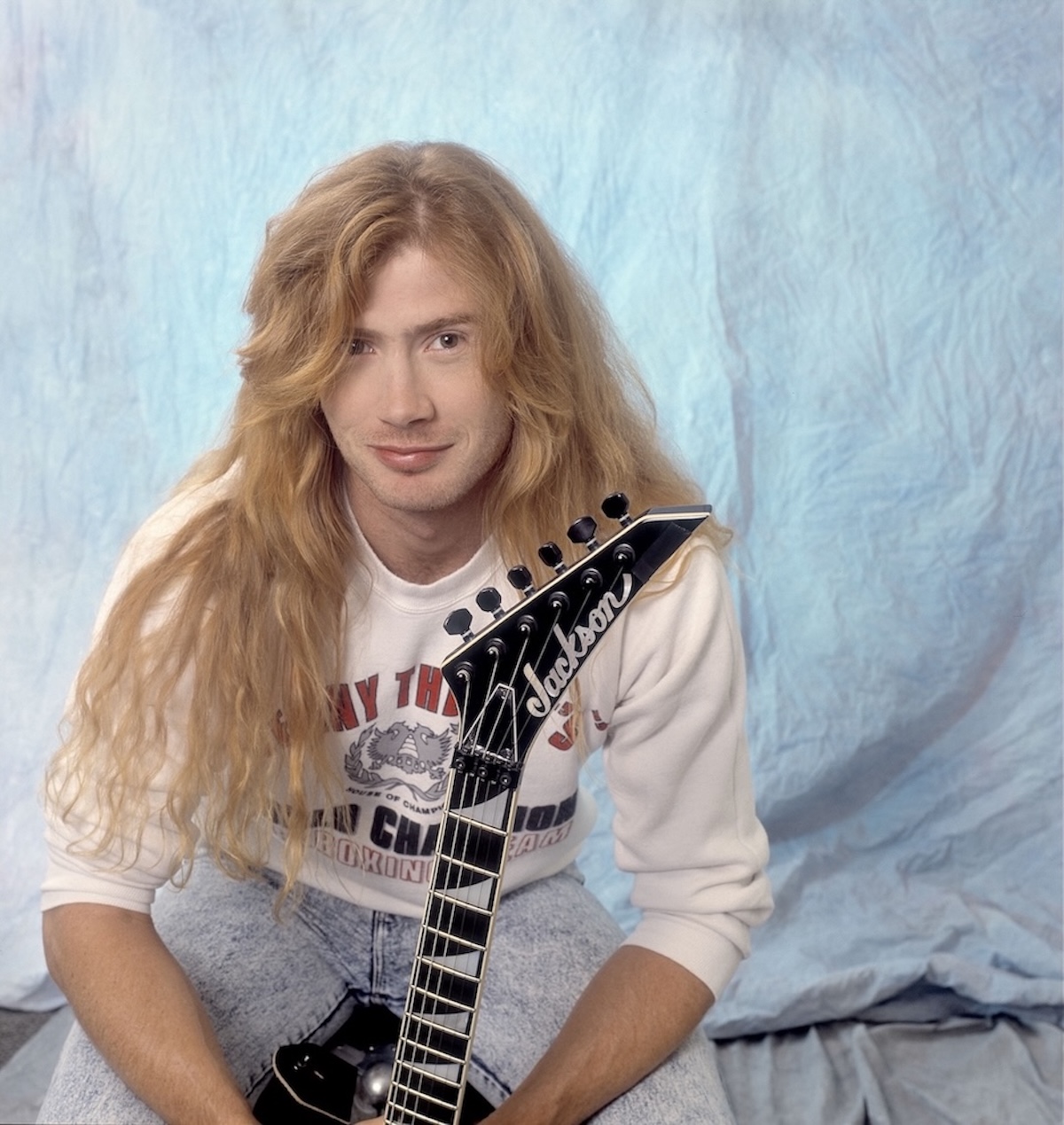
There were probably a lot of people when you started who would have predicted a career playing your kind of music would have ended a long time ago. But thrash turned out to be a lasting thing while a lot of other music from that time faded out pretty quickly.
You are so right. People mocked metal, and they just gave us a hard time. I wrote the song “The Last Note” because I had an episode going into a restroom at a truck stop back when I was in Metallica. I remember it to this day: It was that Bob Seger moment from “Turn the Page,” where I went into the bathroom and right as I was getting ready to go in, this fucking guy said, “The ladies’ restroom is down farther.” I was by myself, and he was considerably bigger than I was, and I didn’t have as much fight training as I do now, so I didn’t do anything. I fumed. Inside, I was beating the shit out of him. [laughs]
In that very early period, was thrash a small scene, or did it blow up right away?
It took off in the beginning, where it was kind of on the heels of Ozzy and what he was doing, but we had to work for it. Anything that we got, we had to scratch and claw for it. After about eight years, when the ’90s started, that was when our type of metal really became popular. Not for lack of trying, because those of us that were in the L.A. metal scene, we were giving it our best shot. The guys that were part of the metal scene that mattered in L.A. were few and far between—you had us, you had Slayer, Metallica had relocated. Who else do you have?
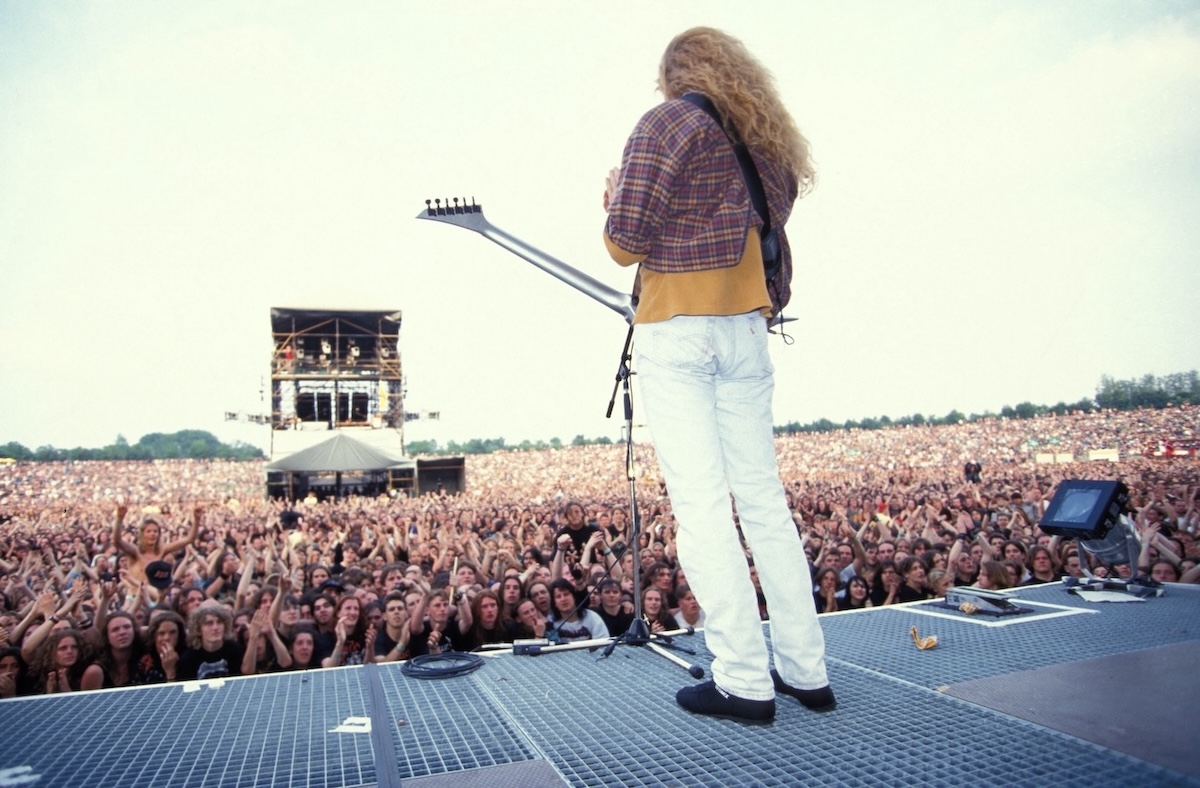
When you were coming up, the L.A. metal scene was dominated by glam and hair metal. Did you feel comfortable in that company?
You’ve got to think about the time that we were living in. There was glam metal versus heavy metal. We didn’t have all the different genres: power metal, white metal, black metal, speed metal, thrash metal, all these different kinds of metal. It was just us against the glam guys. It wasn’t a problem for me to deal with because I just didn’t associate with them.
How did you arrive at your style of playing?
When I joined Metallica, I was the only guitar player. So our style and our music was based on my playing. We had this audition when I went there. I set my amps up in [original bassist] Ron McGovney’s jam room, and I was warming up on guitar. And I’m warming up and I’m still warming up on guitar. I get annoyed, and I put my guitar down and I say, “Hey, guys, are we going to do the audition?” And they said, “No, you got the job,” because they were so impressed with what I was doing during my warmups. When we started playing, James [Hetfield] was just singing. But one day we decided to get a second guitar player, and we had a show at the Whisky [in L.A.]—[after] we’d done a bunch of shows with just me, James, Ron, and Lars [Ulrich on drums].
We did one show with this [new] guy, and he had this giant feather earring. I looked over and I went, “Ooh, somebody’s not gonna be here long.” So the next time I went to rehearsal, he wasn’t there and James was playing guitar, and he was playing as good as he does now. And I thought, where did this come from? I was stoked for the band, because he was so great.
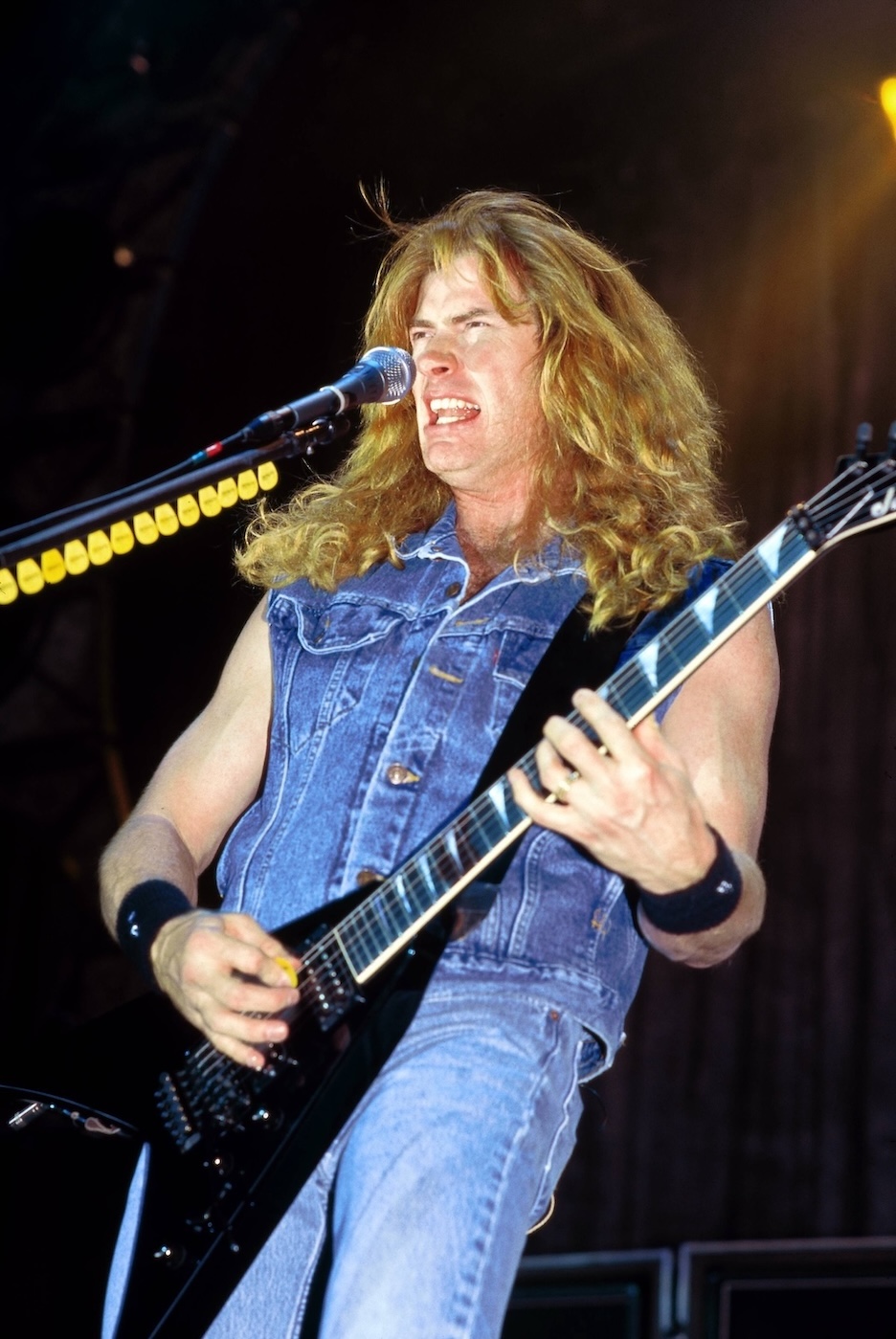
What led you to record a new version of “Ride the Lightning” as a bonus track for the new album?
It was to complete the circle and pay respect to my partners, James and Lars, and make clear that, to anybody that has any doubts, I believe that James is an exceptional guitar player, and that Lars is an exceptional songwriter. I’ve always thought that. It wasn’t doing a cover song, because I wrote it with James and it was our creation. One thing I’ve always believed is when you do a song from someone else—even if it’s your band from an earlier time period—do it as good or better. We were thinking of songs we were going to do, and our management said, “Why don’t you do ‘Ride the Lightning’?” At first, I thought, people will think that’s kind of strange for me to do that. We talked about it a little bit, and it just became clearer that it was a good idea. We sped it up just a teeny bit, and we made sure that we beefed up a couple of the parts.
It sounds like you’re in a pretty comfortable place with Metallica these days.
James and I were talking about something, and I said, “Well, there’s your version, there’s my version, and then there’s the truth. I believe that the truth is the only one that’s accurate, because I don’t really remember everything.” And he had said, “We don’t remember stuff and we’d like to go over it.” We’re constantly working on improving our relationship, me and James and Lars. I really do love those guys. That’s why we fought so much—it was that I missed them. And the idea of leaving the band, it was just hard to fathom.
You try and put things into perspective as you get a little bit older. I think about where I am at in my journey: I’m on the backside of the mountain, and I want to make sure that every day counts and that the people that I encounter, that I’m not obnoxious to them if they don’t deserve it. If they deserve it, man, you got it coming, and here it comes.
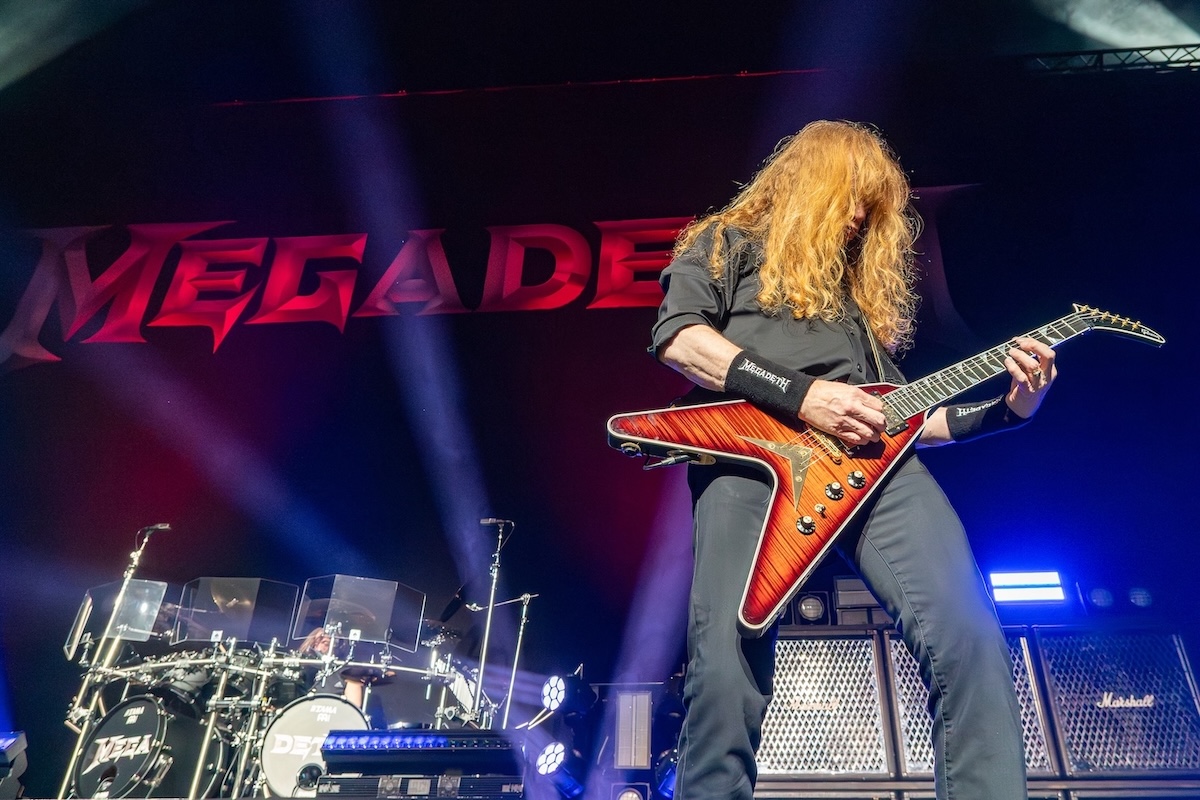
The new album starts off with “Tipping Point,” a pretty classic speedy thrash track that sounds like a statement about still being connected to that original energy.
I love that energy. It gives me a lot of joy to be able to thrash. There was a time when I was younger when we would do kegger parties and music would come on and we would do slam dancing because moshing hadn’t been invented yet. It was still very much a punk rock thing.
[In Orange County, California,] I used to go down to The Golden Bear in Huntington Beach, go to The Cuckoo’s Nest in Costa Mesa, and go to these teeny obscure places where all the punk bands played, like the Circle Jerks, the Dickies, Black Flag, and the Dead Kennedys. I got to see Fear and I loved it. And I think that attitude, that’s the thing I can’t hide. I’m a terrible liar. I always try to tell the truth even when I’m lying. That attitude is just from growing up on the coast, being a surfer, and just being kind of a brat.
On “The Last Note,” there’s a line that says, “The guitars are heavy, time to lay it down.” Is that how you’re feeling right now?
That song had a different lyric. I had seen this thing on Vice about people jumping off the Golden Gate Bridge and they show this guy walk up to the bridge, swing his leg over the rail, swing his other leg over the rail, and then he lets go. I flipped out, so I wrote a song called “Jumpers.” Teemu contributed a very large part of the music, so as a courtesy I showed him the lyrics to “Jumpers,” and he looked at me with a face like someone just clogged your toilet. He didn’t say anything because he’s Finnish and Finnish people are very reserved. So I went, okay, I’m going to try something else.
That’s when I started writing “The Last Note,” and it turned out incredibly revealing and emotional about my state of mind, and where I’m at right now with the announcement. What am I going to do once I’m done touring and playing? Well, I do want to keep working in the music business. I have a lot of music that I’ve written that I recorded. I’m not planning on closing the door and never doing anything in music again, but I do need to take care of myself.