

Questions by Bob Guccione, Jr., Justine Bateman, Kyle Eustice, Arsenio Orteza, Matt Thompson, A.D. Amorosi, Daniel Scheffler
Killer Mike, Rapper, Activist
Why can’t we all just get along?
I think we all could just get along if it was human beings wanting the best for humanity and not just their particular subsets. I think there are powers that be that have an interest in human beings not getting along because if everyone fights each other, we never stop to fully realize we have the exact same masters. And those masters are few, and they have control over many. But there’s enough air, food, and water for everybody to be at peace. I think more primal and primitive cultures have shown us that. I think that when human beings have a love for money, and power, and push to control other human beings, there’s an interest in us not getting along.
I don’t think we can’t get along, I think we can get along. But as a people we have to put aside our religious differences, our cultural differences, our made-up differences in our head, and be determined to get along versus being determined to be on the right team.
Krist Novoselic, musician
Did Nirvana change the world?
Nirvana gets more and more famous. Wherever I go, I get recognized by Nirvana fans. The T-shirts seem ubiquitous. I am so grateful. When I get approached by fans, many tell me how the band changed their lives. This is also the usual theme of Nirvana fan mail. The band might not have changed the world — it’s a matter of connecting with individuals. There are countless stories of how people connected personally with the music. It also says something about the power of Kurt Cobain. It’s enduring.
Francis Ford Coppola, Movie Director
What guarantee do you wish every good filmmaker had had over the past 40 years? And why?
I wish every good filmmaker over the last 40 years had the guarantee that at least 1/4 of any personal film they wished to make could be covered by an American-film-industry subsidy.
David Asman, Fox Business News Anchor
You’re a devout Catholic, and America is primarily a Christian country, but what Christian principles are being applied in the way immigrants and minorities are being treated here now?
President Obama was the Deporter-in-Chief, having deported over 3.1 million migrants, including the ICE detention and deportation of tens of thousands of green-card holders, according to Syracuse U’s TRAC database. There were no riots.
That said, as a husband and stepfather of a Nicaraguan woman and child who came here legally fleeing a repressive government, I’d be a heartless hypocrite if I didn’t care about the lives of millions of migrants who’ve come to this country in the past five years. But I’d be even more heartless if I lured them in with false promises of legal impunity and a complimentary package of welfare on demand. The disappearance of over 300,000 unaccompanied and often trafficked kids, the deaths of thousands of illegal migrants at the border, and the entrance of deadly, unvetted criminals sharpens my conviction. Immigration must be legal and orderly or it can be deadly to migrants, US citizens, and the social order.
But my Christian family does what we can to help those who are here. We’ve worked with the Sisters of Life and our church to assist single parents and other Spanish-speaking migrants whose lives are in jeopardy. We also advise them to go back home and come here legally. We speak from experience. We feel that’s our Christian duty.
Justine Bateman, Filmmaker, Actress, Author
What have been the best five movies of the last 40 years?
There were many great films during that time. I picked films that not only had excellence in every department — writing, direction, production design, acting, etc — but also had an impact on society and on other films. Additionally, they’re films that stayed with me, personally. Pulp Fiction (1994), American Psycho (2000), There Will Be Blood (2008), The Zone of Interest (2023), Nosferatu (2024).
Ken Casey, Dropkick Murphys
Is the government for the people?
FUCK NO!!! It’s for the lobbyists, the billionaires, the corporations, and for Israel.
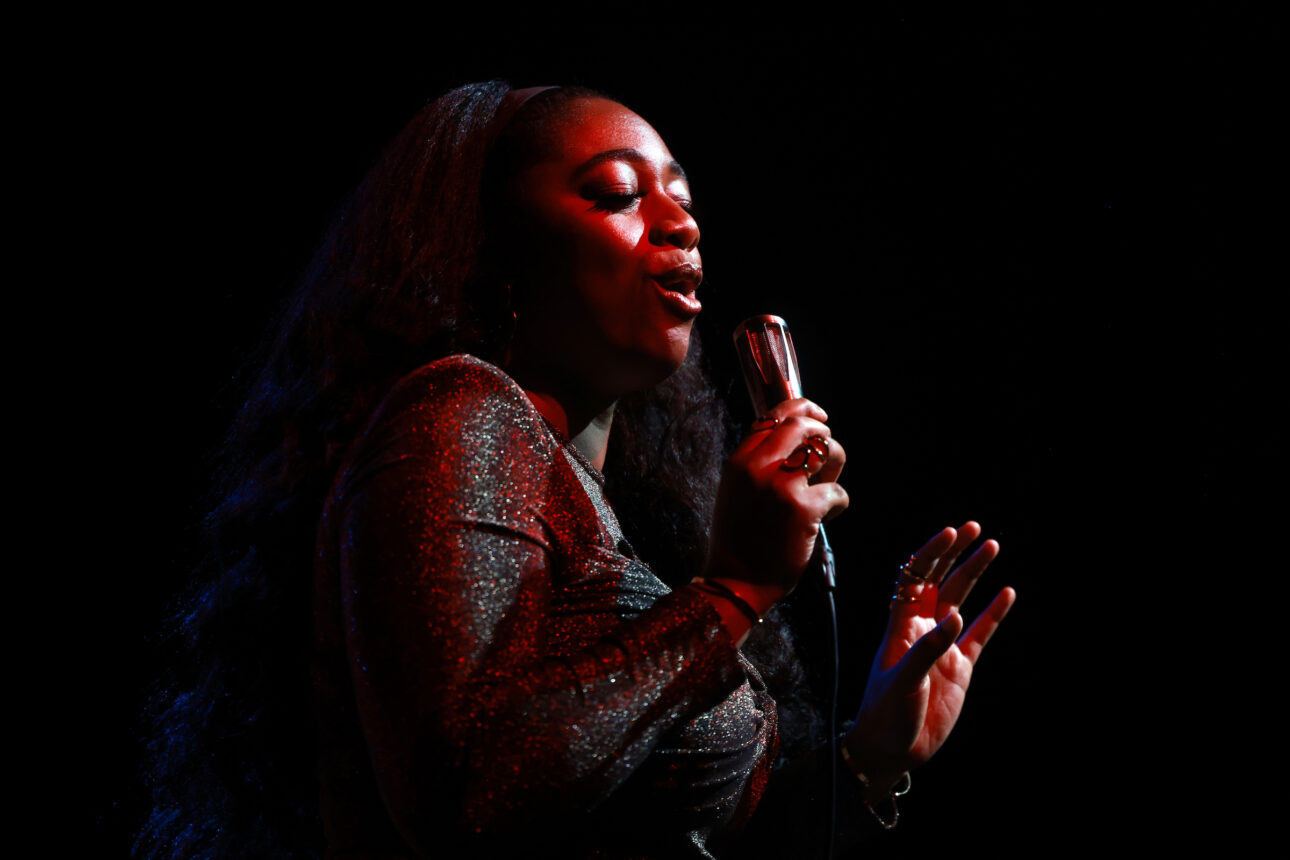
Samara Joy, Jazz Singer
What’s the apparently eternal appeal of jazz?
The endless creativity that stems from those inspired by the cornerstones of the music.
With each generation, there is deep admiration for the vast contributions made by the artists who defined the sound of jazz. There’s also a point of transition, where we graduate from imitating our heroes to seeking what they sought in order to reach their creative arrival as artists with a distinct sound, deeply rooted yet endlessly imaginative and free.
We long for the same arrival, even though it will be different. It will be ours. The only way to have some sort of depth and individuality is to always be a student of what you love most. I think the creative pursuit of absorbing the music you love and interpreting it in your own voice allows jazz to remain fresh and inspired, to musicians as well as audiences.

Dave Eggers, Author, Publisher
What did the pre-internet world feel like when you were a young writer and publisher?
To me, print was everything. I subscribed to SPIN after the first issue because it looked different from other magazines, the oversized format allowed for great design, and SPIN’s take on contemporary music was always surprising.
It’s an unrelenting tragedy that print magazines are so hard to make work economically now, but I believe that if you invest in the print format — if you make it profoundly different from the digital experience — we can ensure the survival of print.
People actually don’t want to be on screens all day; there’s nothing more depressing in the history of the human species than looking at a tiny screen 12 hours a day. But those of us who love print have to try 100 times harder than we did in 1980 to justify the expense and the hassle. That said, I’m grateful for every minute that SPIN has existed, and I’m grateful to have found a (temporary) home for some of my deeply subjective music thoughts in the early aughts.
Bill Maher, Comedian, Talk-Show Host, Author
How do we make America great again?
I wish I had a good answer to that question, but not being a politician I don’t have to lie, and my honest feeling is we probably aren’t going to “make it great” again, if great means we don’t hate each other to the point where everything else gets sacrificed.
Isn’t that what we’re really talking about when we say “great again” — that the people in government can work together like they used to, and the citizens aren’t huddling in their algorithms, fed only what makes them despise the other side?
Between the evil technology that keeps people in their silos and the badwill built up over the decades, I just don’t see this turning around. I don’t see the Trump party ever ceding power, even if the Democrat wins the next election. They’ve already established by not conceding the one he lost, 2020, that they feel that keeping power out of the hands of the crazy left — and they’re not wrong that the far left has a lot of crazy ideas — is more important than even preserving democracy.
Kind of like what was famously said in Viet Nam: “We had to destroy the village to save it.” I hope I’m wrong…but I haven’t been yet.
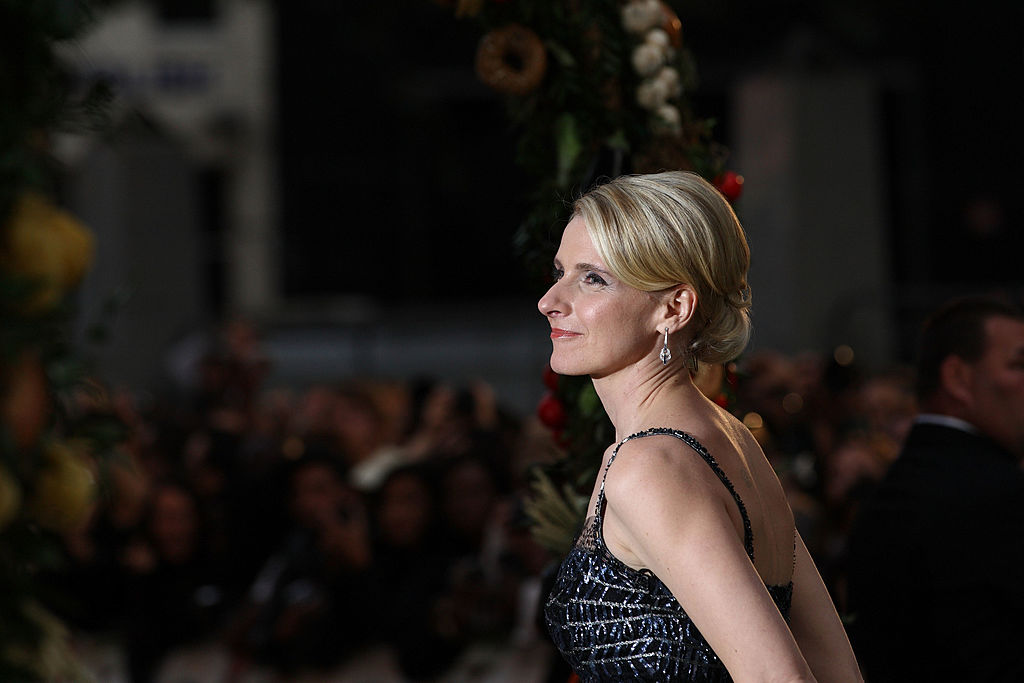
Elizabeth Gilbert, Author
Where, in all your travels, have you found America’s soul to be its darkest, and its brightest?
It is not difficult to find evidence of America’s dark soul, but here is one small but sad example that comes to mind. Twenty years ago, I was sitting with a Balinese friend in the town of Ubud, when she said that she had recently learned a new word from an American tourist: STRESSED. Over the weeks that followed, my friend proudly started using this word all the time to describe her mental state. And then I watched over the course of a few months as my other Balinese neighbors picked up that word and shared it with each other. And, indeed, their lives had become more stressful in recent years, as they moved from a traditional agrarian culture with a focus on art and divinity into a more capitalist culture of progress, development, and consumerism. (In other words, as they became more Americanized.)
Of course, there are more harmful American exports than a simple word, but I do believe that one of the darker things we have spread around the world is the concept of, and the addiction to, stress. Wherever we go, urgency and lack and anxiety and a sudden disappearing of free time seem to follow. Stress is a virus, and I am sorry to say that we Americans have spread it everywhere.
As for where to find the brightest American soul, I still find it right here in the United States, in new immigrants when they speak with excitement about the lives that they are able to build in America that would have been impossible to create in their countries of origin — when they rhapsodize about the freedom of movement and creativity that they find here, the ability to try to make something out of nothing, the liberation from traditional constraints, the hopes they have for their children (especially their daughters), and the joy of the hustle. Despite all our darkness and troubles, this country is still seen by many as a place of opportunity, and I’m always moved and relieved to meet a newcomer who is radiating optimism at the miracle of just getting to be here.
Marc Maron, Comedian, Podcaster, Actor
What happened to truth?
The truth is a whale swimming alone in the ocean of information, sometimes unnoticed. It is then attacked and ripped apart by thousands of sharks. Instead of assessing, weighing, or even noticing the whale, you pick a few sharks explaining why they ate it and why it wasn’t a whale and then follow them on social media and wait excitedly for them to eat more whales. As an almost unidentifiable carcass drifts into the depths of darkness.
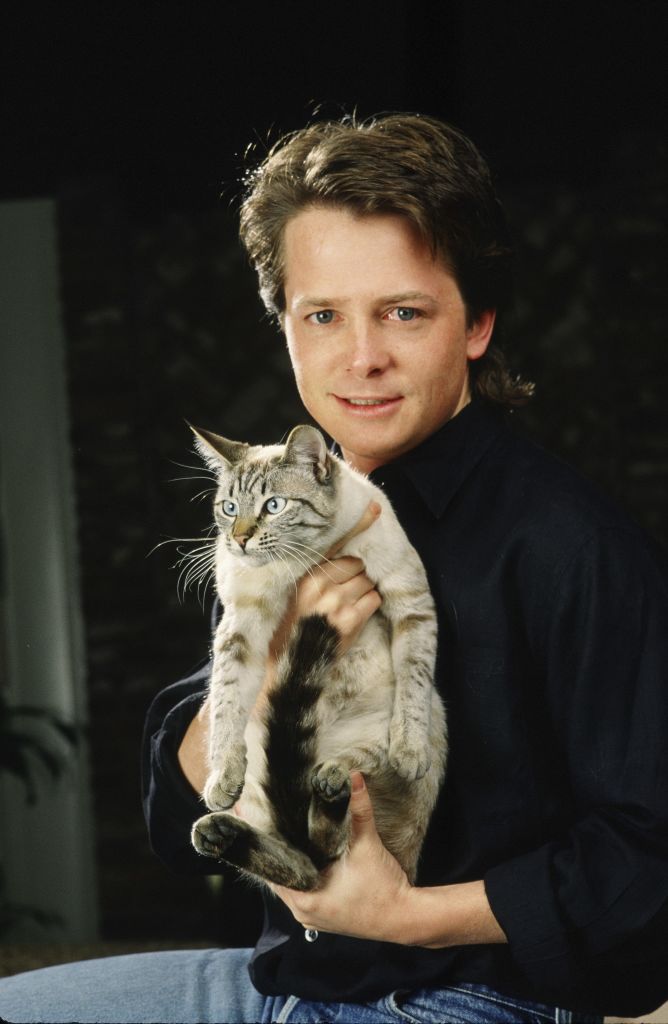
Michael J. Fox, Actor, Activist
Are you more hopeful or less hopeful about the goodness of people today than you have been in the past?
I remain hopeful about the goodness of people as much or more than I ever have, but I do acknowledge that the challenges are formidable in this moment. People who in the past may have stood up for what is right and what is good are being cowed into compliance. It’s just easier to turn away and not speak up against those that would run roughshod over the little guy. You can’t just let the hateful speech and the politics of violence claim the day. I still think there are more good people than bad people, more brave people than bullies. But we’ll get through this, and the kids will be all right.
Michael Haddi, Fashion Photographer
Who influenced fashion the most in the last 40 years, Calvin Klein or Giorgio Armani?
First, Calvin Klein is the epitome of doing fashion without fashion. Nobody remembers the suits, the jeans, nothing. But we do remember one little thing: all the campaigns, all the naked guys and girls, and the charisma of the “gay attitude” dating back 3,000 years ago with the Greeks.
These controversial campaigns put Calvin Klein on the map, and they created something that doesn’t exist, which is just the campaign.
Now, Armani is totally different. Italy has deep roots in making clothes. The attitude of Giorgio Armani was cinematic, and the business was a family business. What I care about is the look, the attitude, and the strength of a brand like Giorgio Armani, who for the last past 50 years gave women a very feminine attitude, and for men how to be extremely masculine.
Giorgio Armani will remain. Calvin Klein will sell underwear and T-shirts.
Jinkx Monsoon, Drag Queen
Drag has always been about transformation, but why is it a political battleground at a time when trans and queer identities are being both celebrated and attacked?
I don’t believe I’ve ever toured America without [encountering] at least one protestor — because my existence has been politicized and, quite literally, demonized. Not figuratively: the church has called me demonic my entire life. So, until I get to live my life without fear of my rights being taken away, or that I might be shot in a nightclub or murdered by a religious zealot — for no greater crime than existing — then every time I get on stage and speak my truth, unapologetically and without shame, is a political act.
When I look locally, I see so much hope and resilience and strength and joy, but when I zoom out, I’m reminded that there’s many people who have been conditioned to hate us. That’s hard to sit with — but I don’t think I’m alone in sitting with that. I think lots of marginalized individuals who have experienced success have had to grapple with that.
In the bleakest of times, if we can inspire locally, those ripples can resonate globally.

Jewel, Singer-Songwriter, Mental-Health Activist
What’s the status of women in the music business? Are they treated better now and more equitably than when you started out?
I think things are better for a lot of reasons. First and foremost, because of the sacrifices made by women like Ella Fitzgerald, Etta James, Josephine Baker, and Sister Rosetta Tharpe — and then the next generation: Dolly Parton, Loretta Lynn, Rickie Lee Jones, and Joni Mitchell. They made it so much better for my generation.
That said, it’s still a sleazy business. The women of my generation had the odds stacked against us, and you had to fight like hell — but it worked. In the ’90s, there was this tremendous wave of female singer-songwriters being taken seriously for their lyrics and musicianship, and we proved we could do good business too.
There are so many incredible women today taking charge of their careers and running them like real businesses, dominating ticket sales. I wish I’d had that level of sophistication when I was hitting my stride. I’m just proud — of Taylor Swift — watching her succeed feels like watching someone you love win — Brandi Carlile, Olivia Rodrigo, and so many others. Smart, talented, good people. It’s a joy to watch.
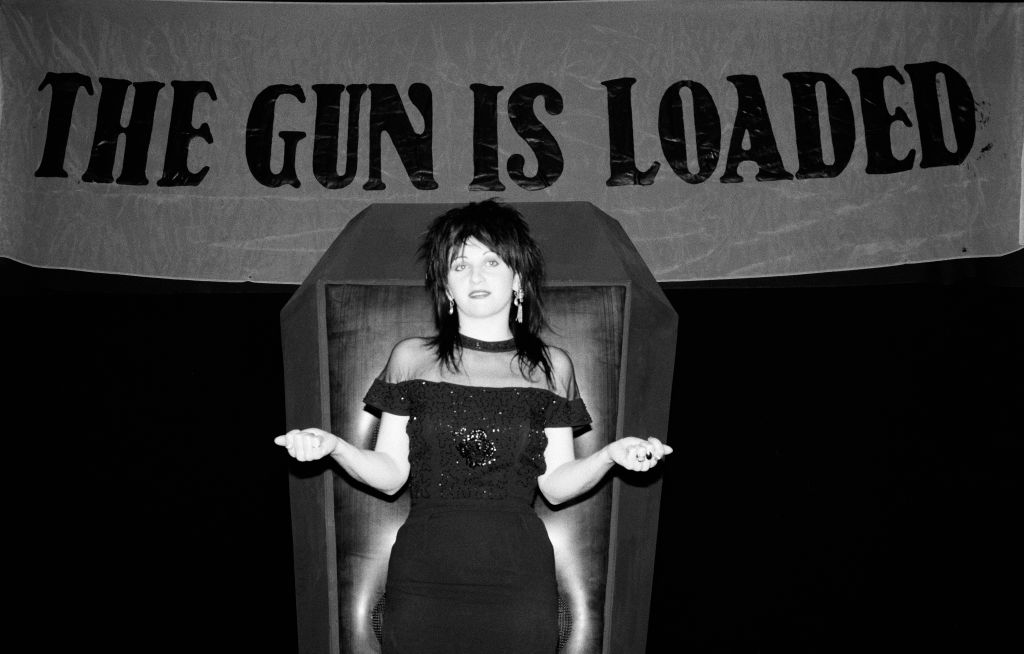
Lydia Lunch, Singer, Poet, Actress
What was the zenith of the indie-music culture? And does something that’s not traditionally commercial stand a chance these days?
You might be asking the wrong person this question. I’m perpetually No Wave, which is even outside of what’s considered “indie rock.” And I never gave a shit about commercial acceptance. If the need to create burns in your blood, you do it because if you don’t you might explode and take the entire neighborhood with you.
Go ask Thurston Moore. I’m sure he’ll fill you in.
Thurston Moore, Post-Punk Pioneer
What was the zenith of the indie-music culture? And does something that’s not traditionally commercial stand a chance these days?
The zenith would obviously be the nova success of Nirvana as an intergalactic force. That trio’s mystic and appropriately titled Nevermind album legitimized indie culture in the mainstream, though indie culture didn’t exactly necessitate legitimization beyond its own success as an alternative planet to dudsville.
The distinctions between indie and commercial are far less distinct than in the ’80s-’90s. Lana del Rey in all her commercial glory extolls attributes that have equal credence and value in both indie and commercial sensibility. In fact, there’s a certain radical aspect to Lana’s performance and production and presentation which is at amorphous odds with typical commercial banality. It plays on it and dialogues with it. Whether by intellectual intention, I don’t really know — but I don’t wanna know, or need to know. That mysteriousness is what’s important. This ineffable “mystery” of indie would usually and historically be consumed by mainstream acceptance, but with acts such as Lana and Chappell Roan, there is a shared vocabulary betwixt indie and commercial aesthetics.
I don’t know and couldn’t care less if there’s an actual true “tradition” of commercial music except that it has to have the genuine magic power of lighting up the cosmic world while banking some hard-won currency. As it is, the conflict is always the hoary spectre of capitalism ’cuz as every hep cat hanging out at the basement noise gig knows, hits are for squares.
Ben Lamm, CEO of Colossal Biosciences
What’s been the greatest ecological advance and/or success of the last 40 years?
I’m extremely proud of our work de-extincting the dire wolf and believe that it is one of the biggest ecological advancements.
We are showing that it is possible to de-extinct species. Our work with North America’s endangered red wolf, which complimented our dire wolf project, shows it is possible to reverse course on populations facing extinction. I believe this can dramatically improve the possibilities for restoring our planet.
This work is also being used to preserve biodiversity in real time. This means that we and leaders like Dr. George Church and others are now enhancing genetic diversity in dwindling populations and building disease resistance and climate adaptability into vulnerable species. These breakthroughs are creating a new conservation paradigm.
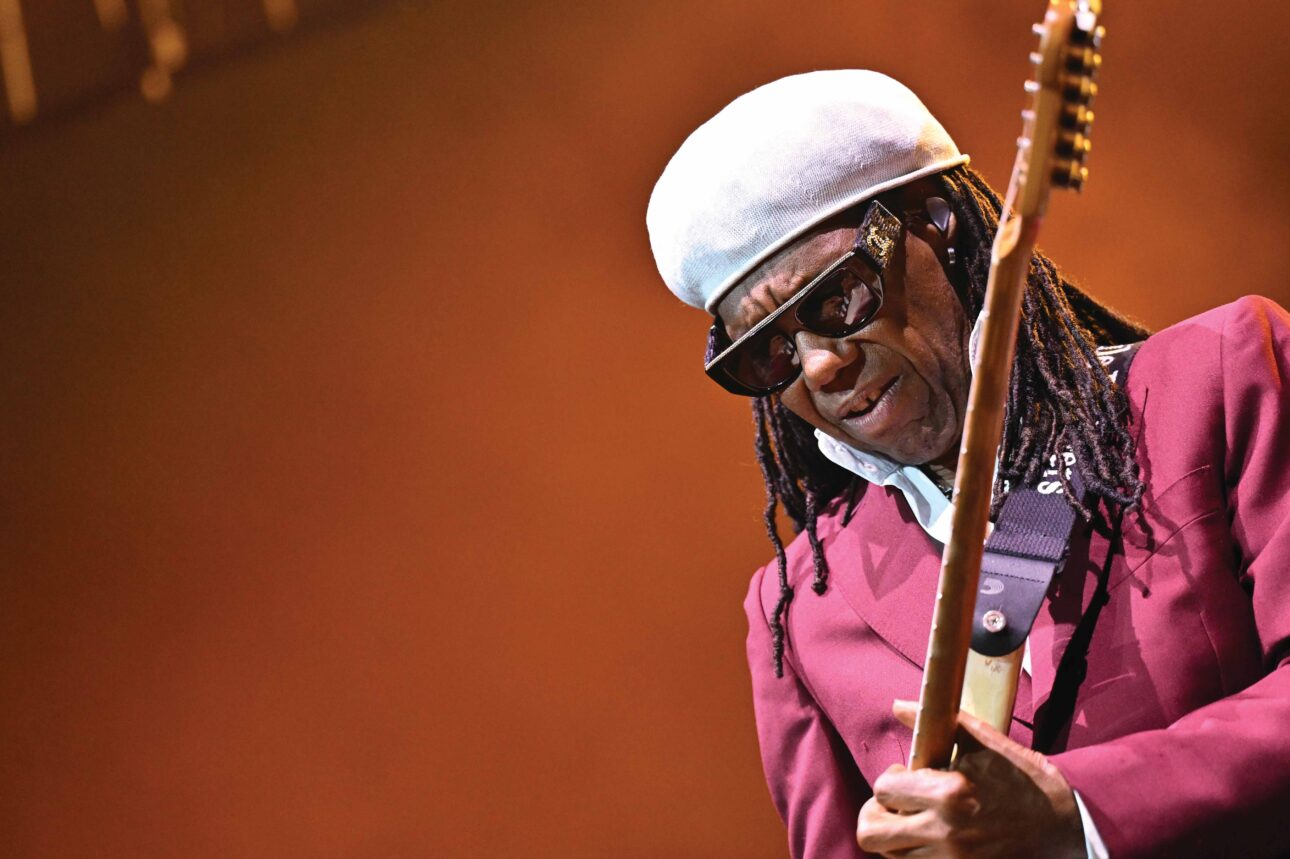
Nile Rodgers, Musician, Producer
Many great musicians died in the last 40 years. Who are three of those less remembered who should never be forgotten?
1) Al Jarreau. His unique vocal talent and ability was undeniable; 2) Bernard Edwards. Of course he was my partner and I’m a little biased, but almost every magnificent bass player would rate him as one of the best ever; 3) George Michael. Though he was a huge star, most people don’t realize he produced every song he did. These three mega-talented musicians died way too early and are not spoken about in a way that’s becoming of their ingenuity.
Brett Ratner, Filmmaker
Is the film business better or worse off since the streaming companies appeared?
The most positive thing is that streaming has allowed the globalization of cinema, reaching around 190 countries. The negatives are that the back end has basically disappeared. Before streaming, filmmakers and actors could share in residuals, DVD sales, and syndication. Streaming replaced those with buyouts with flat fees based on some unknown formula. Another huge negative is quality control. Because of the need for so much content, oversaturation, in my opinion, has created diminishing returns.
The last thing I feel is the lack of competitiveness amongst us. There are only so many weeks in a year, and it used to be life or death for us filmmakers to make a film that audiences would enjoy, or our film would die in the first week. The challenge of making a crowd-pleasing film that spoke to audiences is gone because of streaming.
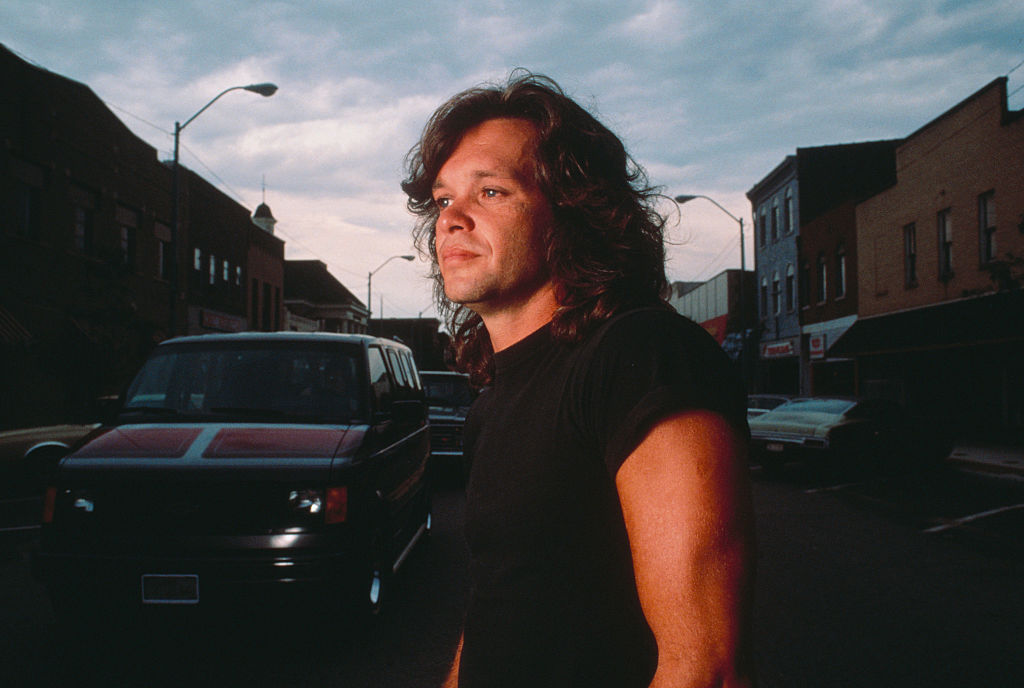
John Mellencamp, Musician, Painter
Is the independent American farmer in danger of extinction?
That is a nine word question with a million word answer. The small family farm is up against the government, corporate farming, and oftentimes the weather, and that’s just for starters. There are people in communities that have small farms, but they cannot feed the world.
Reports show the highest rates of cancer are around corporate corn fields due to misuse of pesticides and fertilizers which get into the water systems. We have to start taking care of Mother Earth and each other or she will take care of us. Most people take their food for granted.
Chuck D, Public Enemy
Is rap still the Black CNN, and don’t we need it now more than ever?
In 1988 I simply said RAP was Black America’s CNN because it had a better read on all the regions Black people were in than the media at the time. Black music has always been a cultural GPS like the Green Book was for Black travel. In 1987/88, during my first national tours, hotel televisions always had Ted Turner’s CNN and “Headline News” on them. Those networks connected the United States but missed the Blackness unless it was news about protesting, violence, or some sort of violation.
We grew up with Ebony and Jet, but RAP was different. It was culturally electronic, and it penetrated. It connected with people and between people like nothing else. That was 38 years ago. Back then, it was both covert and ignored, and now it’s assumed, figured out somewhat, and corplantationized. And just like CNN, RAP probably has to do some repair to its transmitting power in the USA because outside in the worldwide, it’s a damn near religious experience.
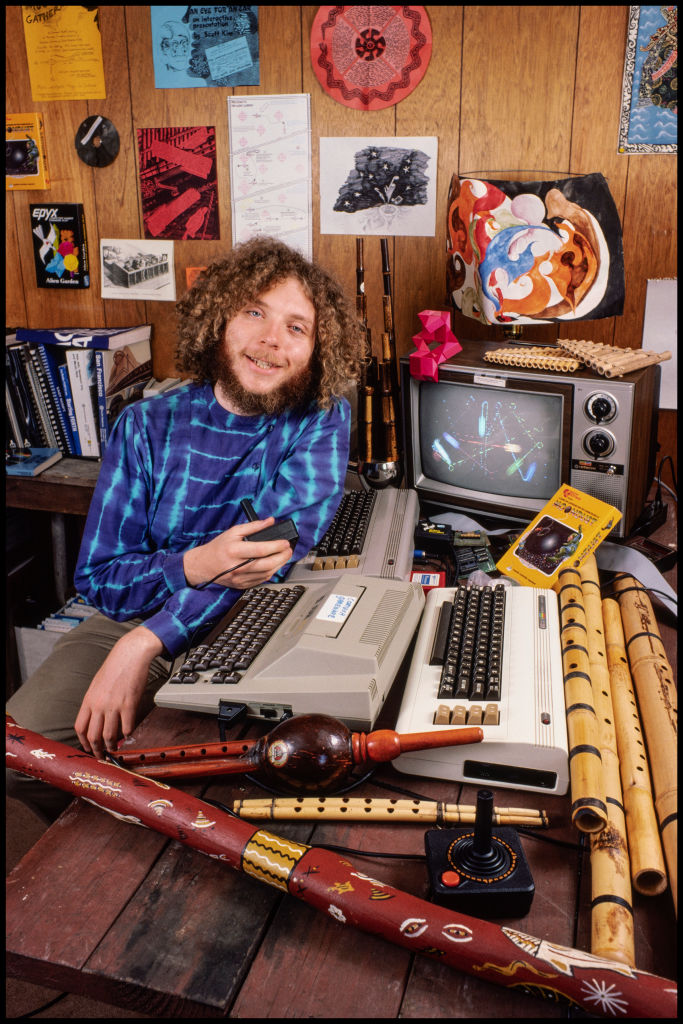
Jaron Lanier, Computer Scientist, Composer
Putting aside the utilities of AI, what is everyone missing about the potential for this technology to actually destroy humanity?
It’s hard to answer because I reject the terms of the question — if we believe in AI, then it will kill us because that’s equivalent to us giving up on being in charge of our own fate, but we have the choice of treating it like any other tech and taking responsibility, in which case we will not commit mass suicide, or at least not with that tech. But the question is framed as if AI is a thing instead of just a way of collating value from humans (the training data), and believing it is a thing can result in mass suicide — so the question is the problem.
Robbie Myers, Former Editor of Elle
Whatever happened to sex? Didn’t it use to be fun?
Statisticians, researchers, and journalists are freaking out because Gen Z’s aren’t having enough sex — i.e. not producing enough children to replenish our workforce and take care of those rapidly aging.
That’s a relatively quick turnaround to when parents, friends, nuns, teachers, etc., drilled into the still-developing teenage brain that the worst thing they could possibly do was get pregnant or get someone pregnant and “ruin your life.”
The low-sex issue isn’t the main reason why teenagers and Gen-Z adults are bowing out — it’s loneliness. A third of current high schoolers have fessed up that they’re having sex — still half of what was going on 15 years ago. And one in four adults say they’ve never had sex.
Gen Z’ers are anxious and fear dating because of the political climate, social media, and the pandemic. But lives being lived online just pushes intimacy further into the void. Sex after MeToo and the overturning of Roe v. Wade has spooked young women. Many young men are equally turned off, fearing an accusation of inappropriate or threatening behavior.
Contrary to popular beliefs, it turns out that partnered/married people have a lot more sex than those who aren’t coupled. Sex is part of their relationship, as well as some kind of commitment. That adult couples are getting more action than their Gen Z children is an interesting flip of mores.
Everyone wants something. How about love?
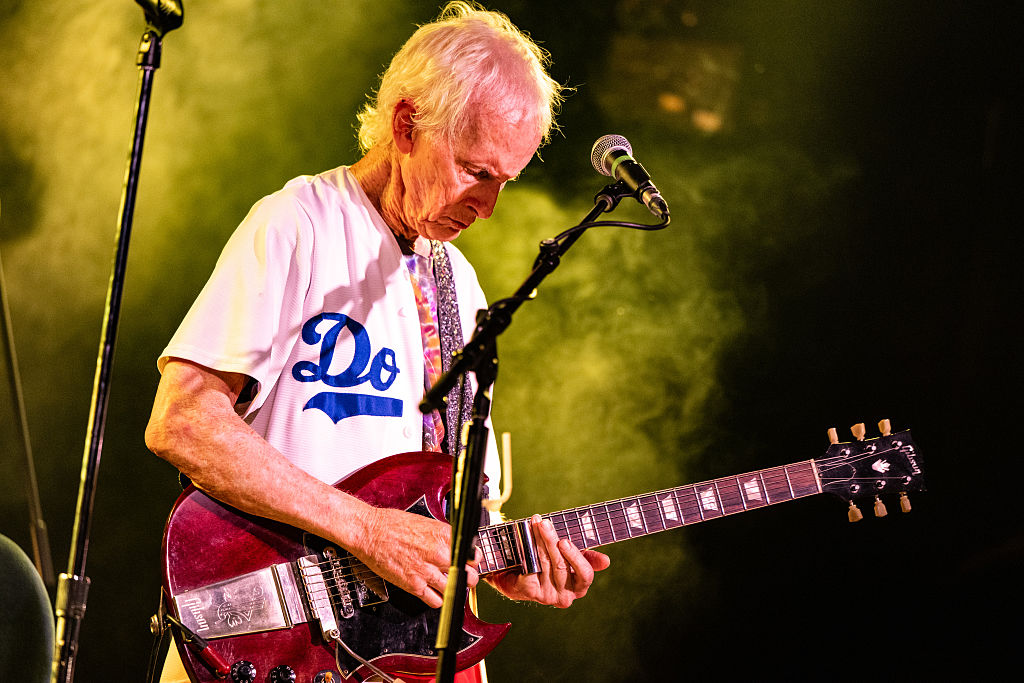
Robby Krieger, The Doors
Who do you think were the most inventive and exciting musicians of the last 40 years?
Eddie Van Halen — for his creativity and inventiveness on the guitar. His impact on guitar culture continues to grow.
Paul McCartney — his pop/rock songwriting is the best. He has maintained a level of quality throughout his career without equal.
Herbie Hancock — just the best jazz keyboardist. His influence is undeniable over the last 40 years and for decades to come.
Miles Davis — because he was cooler, and will always be cooler, than anyone else in the room.
Posdnuos, Rapper, Producer
Are messages of peace, unity, and community more important now than they were in the ’80s and ’90s? Is anyone even listening?
I feel that it was just as important back then as now. If we were to lean heavier on community and possibly see ahead of certain things, where it was putting a fork in a road between people and separating us, allowing us to no longer look at each other as a community here to help each other, if all that had been a bit tighter in the past, it would’ve helped glue things in a more efficient way alongside technology and things that are in place now. With our phones and living within the world of social media, that has allowed us to stray more apart.
Is anyone listening? I think people are listening, but we’re not really listening at times as a congregation, in the same room. There’s so many different echo chambers to walk into and live by. People get comfortable in their own echo chamber as opposed to having others amongst them that could help teach us a different way of looking at things. You may find things someone else is saying that you can adapt to your life, as opposed to being with people all on one side, looking at the other as an enemy.
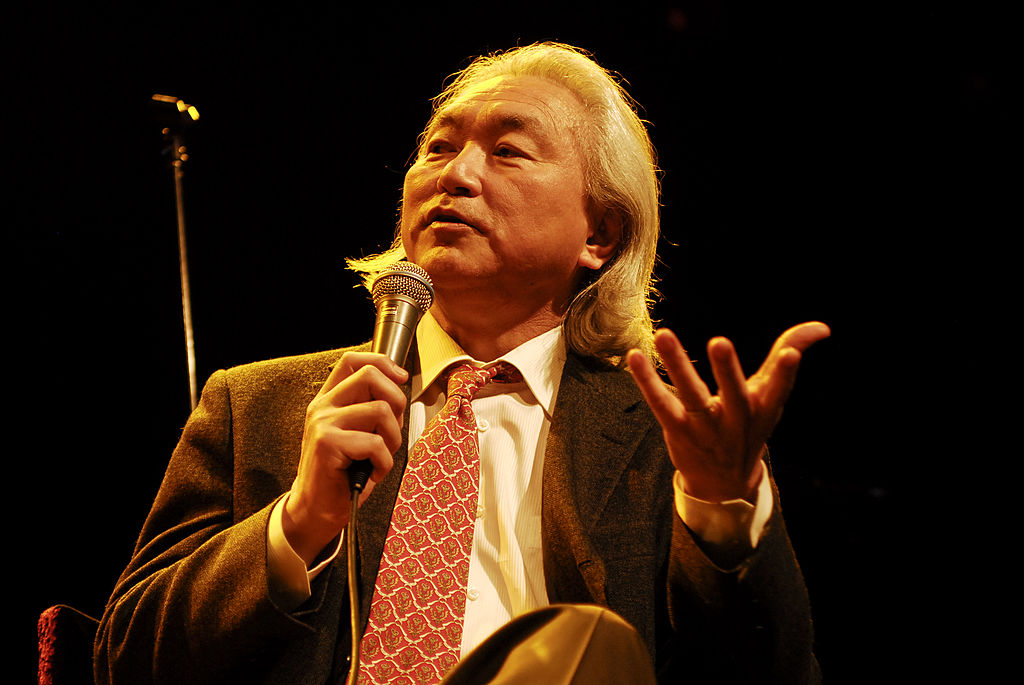
Michio Kaku, Theoretical Physicist
What happened to string theory?
Today, we live in the NOW generation. We want everything NOW. But sometimes, the greatest achievements take time. The theory of the atom, for example, took 2,000 years. We have to be patient.
I have worked on string theory since 1970. In that time, I have seen many string
revolutions take place. In each, entirely new mathematics, ideas, and theories have shocked the physics world. The theory is smarter than we are.
But some critics get impatient and want quick results. They ask for an alternative to string theory. I tell them, “There is none.” It is the only theory which can unify the two great theories of physics, the quantum theory and Einstein’s theory of relativity. All other theories have failed.
But the main problem is that we do not have instruments powerful enough to prove the theory. String theory is a theory of creation. Each solution corresponds to the creation of an entire universe. But which universe is ours? Our primitive instruments analyzing the Big Bang are not conclusive enough to determine which.
My hope is that one day our instruments may be powerful enough to examine the Big Bang and perhaps show that string theory can predict the dark matter and dark energy of the early universe.
John Skipper, Former President of ESPN (and SPIN!)
Nancy Reagan famously said “Just say no,” but, realistically, did America win any part of the war on drugs?
I do not see any transformational American victories in the so-called war on drugs, despite the U.S. being engaged in that struggle for essentially my whole life.
“Just say no” flatters willpower and ignores the reality that people will continue to do things that feel good.
Blowing up Venezuelan boats is not only ineffective but it is clearly illegal and performative “warriorism.” While legal marijuana makes New York smell like a bong, it may actually be a tiny bit of winning. Fewer people are going to jail. That is a win. The new dispensaries opening employ some number of ex-prisoners. That is a win.
There is no definitive victory, but perhaps we do less damage by accepting human frailty and eliminating criminalization.
Just say yes.
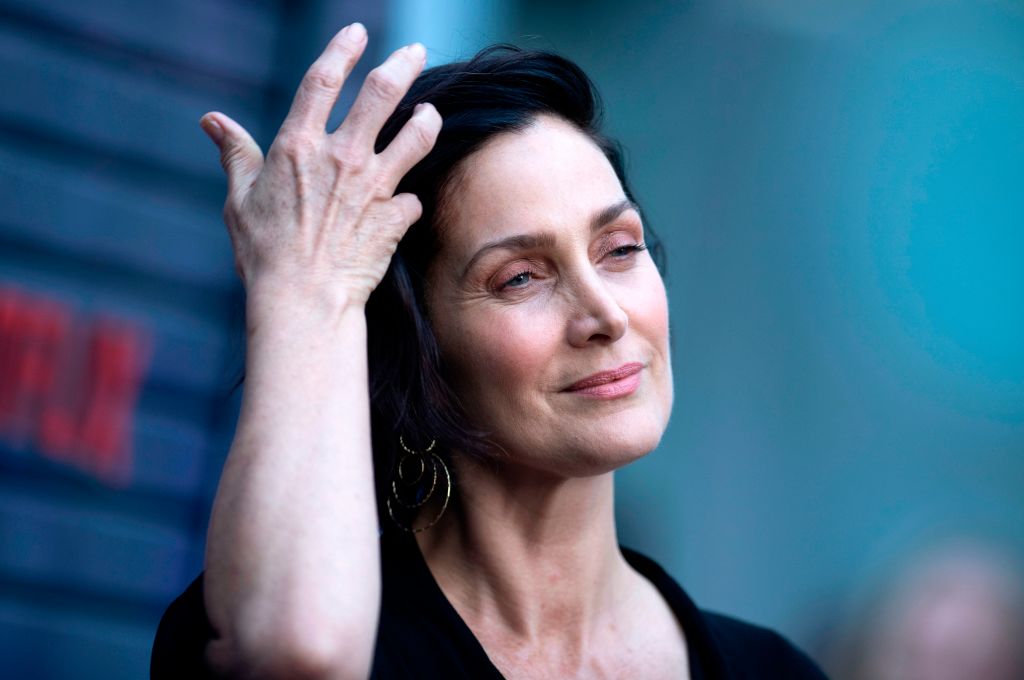
Carrie-Anne Moss, Actress
What about the last 40 years sticks out to you?
The ’90’s in L.A. were really great; there was so much excitement in the air. We had fewer people in L.A. It was easier, fun. I didn’t know that was such an incredible time in L.A. while I was there. You don’t realize how fun a time was until you’re past it.
That’s the thing about time — you’re present, finding your way through it. Later, when you’re in a different place, you look back and see the difference. Last time I was in L.A., the City of Angels just felt heavy. I don’t know; it’s difficult to excavate the truth about a place or a time.
Danny Goldberg, Artist Manager, Record Executive
You’ve been in the music business since working with early Led Zeppelin, so you’ve seen it all. What was so special about Nirvana when you found them?
It was clear to me when I first heard the songs that would appear on Nevermind that Kurt Cobain, and thus Nirvana, was a very special artist. Kurt was a songwriter who somehow combined pure punk aesthetics with melodies and choruses that were memorable after a single listen. His singing voice had rich emotion and a subtlety that added enormous depth to those songs. But the thing that made me realize he was such a uniquely important artist was the mysterious way that, on stage and in the media, Kurt made his fans feel like they knew him personally — and that he knew them.
Eli Bauman, Barack Obama Campaign Staffer
During Obama’s presidency, what was the greatest threat to America from within?
Historically, there’s always a batch of assholes who want to go backwards. And beginning around 2008, the erosion of a single factual narrative — an agreed-upon truth — made all of this worse: the lies that Obama was Muslim, that he wasn’t born here, that he hated our military. Those seeds were planted early in bad faith by people who knew better, and they watered those seeds as long as it served their purposes.
But I don’t think that those same people could’ve foreseen how it would metastasize into a monster they couldn’t control, how they’d open the door to one of America’s most talented communicators who also happens to be one of its most prolific con men — the Rembrandt of horseshit. No one could’ve predicted how this boulder of bullshit could gain momentum as it rolled down the hill. Now it seems there are just no real rules here any longer.
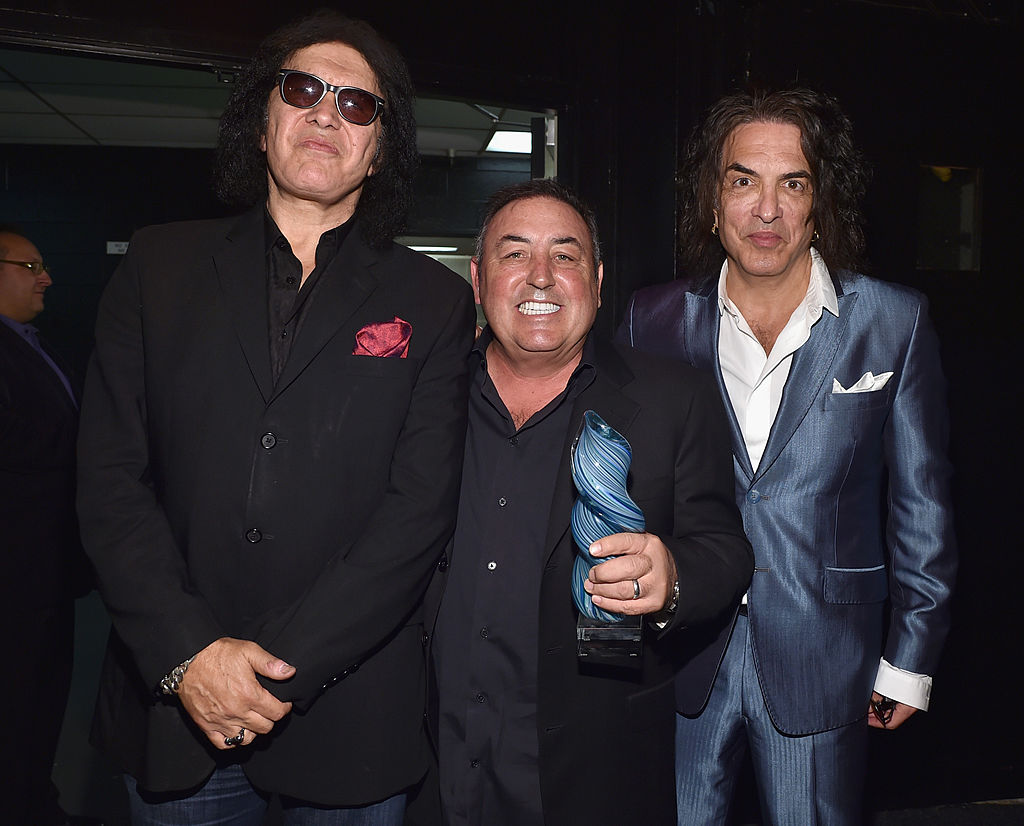
Doc McGhee, Artist Manager
What most changed the music industry in the last 40 years, and what has been lost from the simpler times of the ’80s and early ’90s?
Shifting to digital downloads and streaming completely changed how artists build a career. In the ’80s and ’90s, there was a clear tipping point — getting on MTV or radio could break an artist overnight. Today, that moment doesn’t really exist; it’s all about algorithms and social-media momentum. What’s been lost is that sense of excitement and discovery, when fans connected with artists over albums, videos, and shared moments, not just quick clips on a feed.
Cal Thomas, Syndicated Columnist
Since the rise of the Moral Majority in the 1980s, religious conservatives have exercised powerful political muscle. But has that movement fulfilled or failed its original mission?
Whatever ‘power’ that movement had in the ’80s has been diluted by a number of factors, including a realization by some, as the late Charles Colson observed, that “the Kingdom of God is not going to arrive on Air Force One.”
There have also been compromises within the movement, which suggests many are more addicted to political power than in upholding a moral standard. Recall what many Evangelical Christians said about Bill Clinton, that strong moral character mattered most. Then came Donald Trump, and suddenly his multiple marriages, foul language, past attitudes towards women, and demeaning of opponents no longer mattered. That ‘deal with the devil’ erodes whatever moral voice this movement once had, at least at the political level. Yes, Trump has been good on many issues of concern to conservative Christians, including abortion, the Supreme Court, the border and taxes, but at what cost?
I used to get messages when I made this point from people who told me “Look at King David. He committed adultery with Bathsheba and God still used him.” My response was: “Yes, but only after David repented.” I once asked Trump if he ever felt the need to repent. He said no, maybe someday. Without a strong moral voice that is equally applied to everyone, conservative Christians become just one more interest group to be tossed a bone, hoping people will vote for the bone tosser.
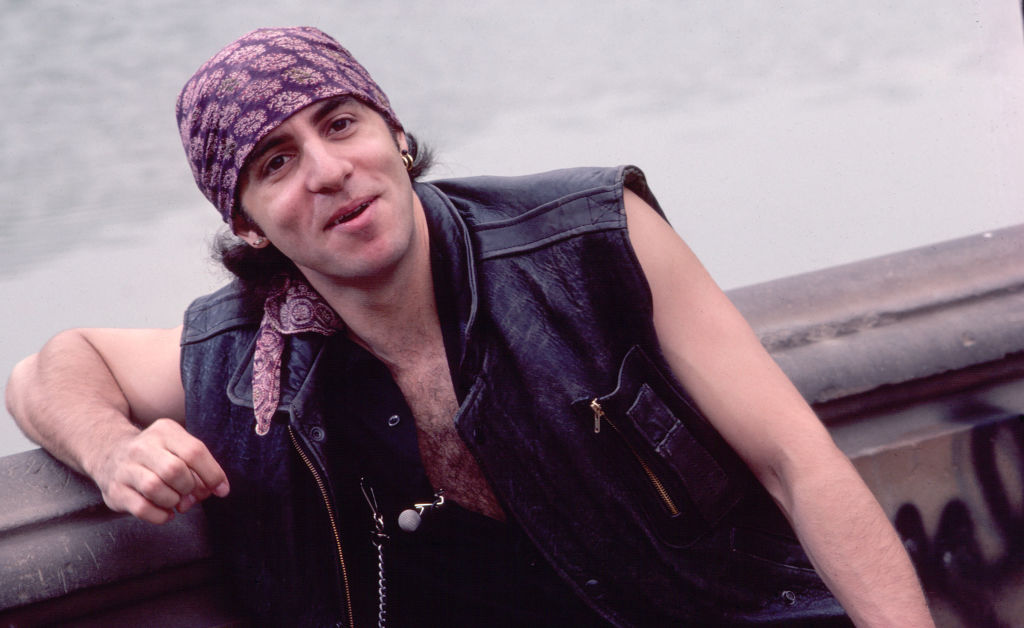
Steven Van Zandt, Musician, Actor
When did rock die as a recording genre, and why?
The Rock Is Dead pronouncement reminds me of the God Is Dead pronouncement of a few decades ago. The collection plate may not be as full as it once was, but there’s a lot of folks who still believe.
The British Invasion of 1964, combined with the magnificent artistic breadth of the Byrds and insightful intimate personal lyrics of Bob Dylan, evolved into a new art form called Rock, and I clock the revolutionary era from Dylan’s “Like a Rolling Stone,” summer of ’65, to Kurt Cobain’s death in 1994.
At which point two things happened that would alter the future, probably forever. One inevitable, one tragic.
First, Renaissances end. That level of quality miraculous creativity cannot go on forever.
And second, corporate mergers led to the triumph of the CFOs over the CEOs, making accountants the profoundly unqualified chief decision makers in all of the Arts and Entertainment worlds, permanently dooming the creation of great art and forever diminishing our quality of life.
BECAUSE GREATNESS IS NOT BORN, IT TAKES DEVELOPMENT!
One of the first and main victims of this was Rock music. It was simply too inconsistent, too volatile, and required too much knowledge and time to deal with all that annoying artistic sensibility of the brilliant but difficult and unpredictable personalities.
There hasn’t been a real Rock song on the charts for decades, and there’s none in sight. But that’s OK. Let’s face it. An unfashionable cult is where we forever-rebels belong. It always felt a bit fraudulent being in the mainstream.
Mark Kostabi, Painter, Composer
Who were the freshest artists of the last 40 years, and where do you see yourself in that league?
The freshest artists in the last 40 years were Jean-Michel Basquiat, Walter Robinson, Cindy Sherman, Inka Essenhigh, Louise Bourgeois, Enzo Cucchi, and Paul Kostabi. I see myself as a peer among those artists and consider myself very lucky to have known all of them and continue to know those who are still alive making fresh work!
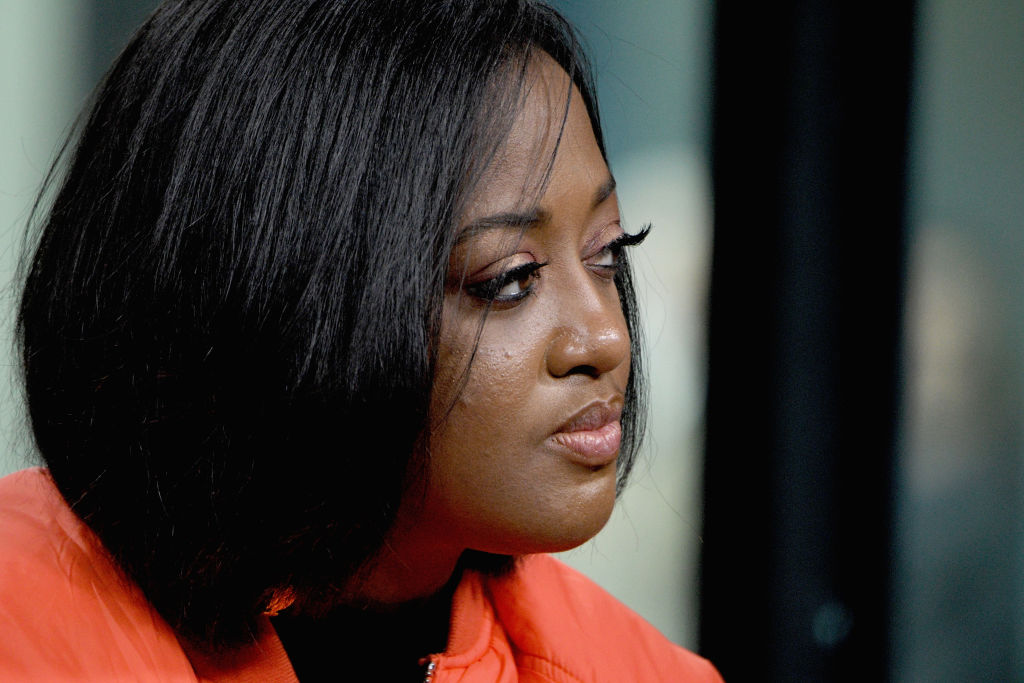
Rapsody, Rapper
Has there been any significant progress for Black women in hip-hop since Queen Latifah first uttered, “Who you callin’ a bitch?”
I think there definitely has been progress, and I think the majority of that progress has come in the last six or seven years.
I think we’ve had setbacks at times, but this new resurgence, this new Renaissance, has really been a huge advancement and improvement. More women in executive positions and leadership roles is still not enough. We still have a long way to go, even with pay equity. But I think we have made advancements, especially when we think about women in hip-hop, which we’ve always been a part of. But to see us at the forefront, we are the leaders — we are pushing the culture, carrying the culture. We are the voice of the culture currently.
We’re seeing camaraderie and sisterhood now — more artists working together, creating together. You have your competitive moments — your moments where artists don’t necessarily like each other. I think the love, sisterhood, and growth of the village outshines that still.
I would say today that harmony is lacking. We’ve fallen into this idea of “This is the outfit that we have to wear to be seen, to be heard,” so there’s so many lenses that I look through. This is a complex question of how far we’ve come and the places that we have progressed and haven’t progressed and how do we improve and build and create more harmony when it comes to women and hip-hop.
That’s not a yes or no answer to this question, but it’s an observation we’ve moved forward in some areas and in some we haven’t. I think overall we’ve moved a lot further than we were as a whole, and I’ll take that any day.
Danny Meyer, Restaurateur
What’s been the biggest change in the way Americans eat in the last 40 years?
I can only surmise that we live in a time — unprecedented in history — where so many people are both so aware of and obsessed with what they put into their bodies. People are measuring their steps, calorie intake, glucose levels, heart rate, sleep, and a myriad of other things in real time. It’s hard to know how many people are taking GLP-1 drugs, but they are eating and drinking half as much as they used to. I just hope they’re able to enjoy what they do eat.
Always looking for silver linings, I see a restaurant and food industry that is confronting these abstemious trends by preparing even tastier and healthier food than ever. And in an age when people are spending far more time than ever in virtual-communication mode, the human craving to be together with other humans means that restaurants are full, even when many bellies aren’t.
This should be the golden age for doggie bags. Order as much as usual, and tomorrow’s dinner is on us.
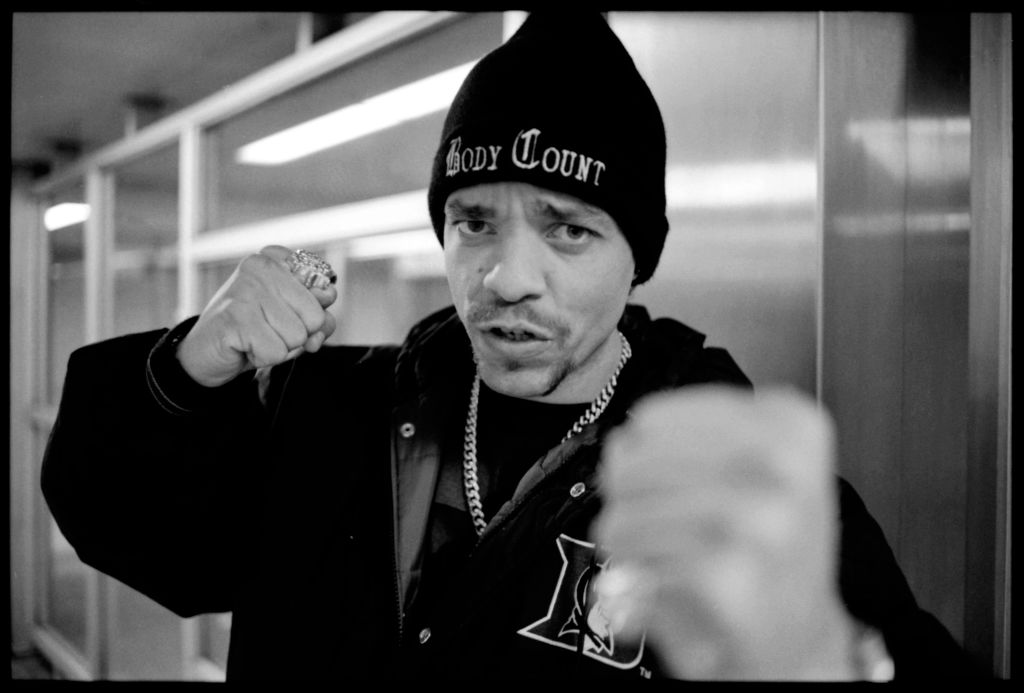
Ice-T, Rapper, Actor
Have the police improved how they handle race relations since you released “Cop Killer” 30+ years ago?
I think that the cops are much more under surveillance by the public now. Cops have a lot of power. Without oversight, it becomes dangerous. Now every human being has a camera, so they know when you get pulled over that they’re being watched 99 percent of the time, and that makes them accountable for their behavior. Back in the Rodney King days, you needed a camera the size of a big toaster sitting on your shoulder to film it.
Some human beings happen to be racist, so just that being said, in the police, some of them maybe tend to be racist. People overstep their boundaries and their authority, and I don’t really think it’s so much racial. What I’ve learned is that cops profile you and determine whether you can fight back. If they don’t think you can fight back, they treat you one way. They don’t make people sit down in gated communities. Even on Law & Order, we’ll say, “They’re from the Upper East Side. Tread lightly,” which means they can fight the city back. They can sue the city. But when you’re in the ghetto, treat them any kind of way. Now, is that racist or is that classist? Are they just saying, “Well, these people don’t have money?”
A lot of them are racist. I don’t care whether you’re in any big business, there will be a percentage of people that are racist in that business. Cops are something you would hope there would be zero racism in, but that’s impossible because they’re human beings. So 30 years later, no, I just think that they know they’re much more under public surveillance, but we still see them going out.
I’m rambling, but if a kid gets killed in the projects and we march or there’s a demonstration, that’s fighting back. When people start to stand up against it, when they do take down a poor kid and we as people don’t allow it, they don’t want that either. They don’t want that smoke.
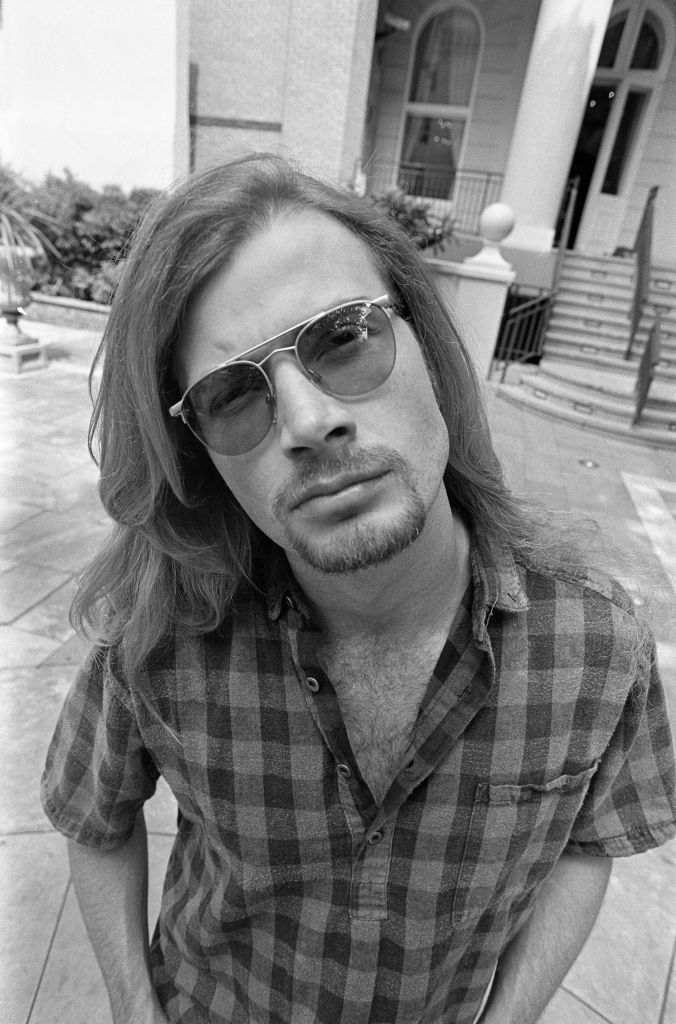
Dave Mustaine, Megadeth
War, what is it good for?
If the hearts of the men waging the war are wicked, don’t expect to win an aspirin.
Stephan Jenkins, Third Eye Blind
What has been the most significant change in music over the last 40 years, and has it been for better or worse?
The tried-and-true answer is, of course, the digital revolution. You know how this teeter-totter answer goes:
We’ve democratized music production so that a council-estate lad like the Streets could make a classic for free on his Dell. Gizmos like GarageBand, Ableton, and Reason became the Leatherman in the back pocket of every aspiring indie nerd, allowing MGMT to bang out a banger of a demo.
We grazed SoundCloud and discovered Billie Eilish, Chance the Rapper, Post Malone, Maggie Rogers, Lil Nas X… and oh, it felt good to witness the ancient record industry lose its grip on us.
We moved music production and consumption into a box. No more piece-of-shit CDs and “statement” albums — just playlists packed with your chosen jams, and hurry up with the chorus!
The greatest achievement of the digital music age is the dissolution of all the cliques and cred, conservatism, and snark that the old indie scene propagated. If someone didn’t like the music you did in my high school, that meant you didn’t like them! I used to get into near fist fights over which bands we liked or didn’t.
Nowadays, country and shoegaze make babies together. K-pop can’t wait to get its hands on reggaeton, and we listeners are ho’s for all of it. We just want to fill our earbuds with catchy tunes and a vibe.
AND YET… All this music in a box left you feeling isolated and fragmented, didn’t it? I can barely put on a Joy Division T-shirt and head to the café hoping to make friends anymore. We lack a cultural moment — like waiting for the listening party for Jane’s Addiction’s Ritual de lo Habitual at the local record store.
Artists can have a million followers and no following. No one knows three of their songs. Nope, we’re all in our rooms, jittery and alone, listening to singles foisted on us by an algorithm in a box.
But dear reader, you’ve heard well enough about all this digital-revolution dross already. Enough! I feel like if I were writing this bit in 1915, I’d be saying, “The phonograph is ruining the orchestra experience!”
Let’s get down to the real most significant change in music over the last 40 years (and it’s all for the worse):
SINGING IN CURSIVE — A mumbly, slurry aberration characterized by a soft dentalized tongue, mixed with baby uptalk, all blanketed in a breathy mush.
This homogenized bandwagon of a vocal style is also referred to as “indie girl voice,” and yet it’s most often practiced by man-boys — and they are the worst. It’s as if they’re singing, “I’m pretending to be so deep in my emotions, I forgot to move my mouth. I’m just a dopey, dreamy love puppy. Come pet me,” hoping there’s a pity fuck in it for them. Yuck.
There’s something lurid about singing in cursive. Its emotion is feigned, like a porn performer pretending to come. It sounds “nice,” but it’s looking to manipulate your emotions rather than evoke them. Cursive singing is dishonest. It’s anodyne. It’s cloying. It puts the K in muzak.
The dangerous part, though, is that cursive singing sounds like acquiescence. In days like these — when every mention of climate-change mitigation has been wiped from the EPA website and a crafty billionaire gives sold-out lectures to aspiring young bros about how Greta Thunberg may well be the Antichrist, as chubby, badgeless, masked men cruise around trying to disappear people — cursive singing starts to sound like musical Xanax.
These times call for even our romantic songs to have some edge and teeth. People need to spit the truth — and I mean literally spit, like Billie Joe Armstrong does when he sings. It’s impossible to sing in cursive when you’re spitting.
The Real, Real Most Significant Change in music over the last 40 years is AI. Before our robot masters kill us all, your music will sound like it was made with dead eyes. It’s already happening. I sure hope they cure cancer or something in between. Jesus.
The last 40 years have been filled with great music, and I’d like to end on a note about the future.
I predict the biggest novelty will be to leave every phone at home and head to a music hall to witness someone straight-jack an amp and shock you with something immediate and incendiary on the guitar — singing into a mic with no pitch correction or backing tracks — and you’ll be inspired to spontaneously make out with an actual human being you don’t know.

